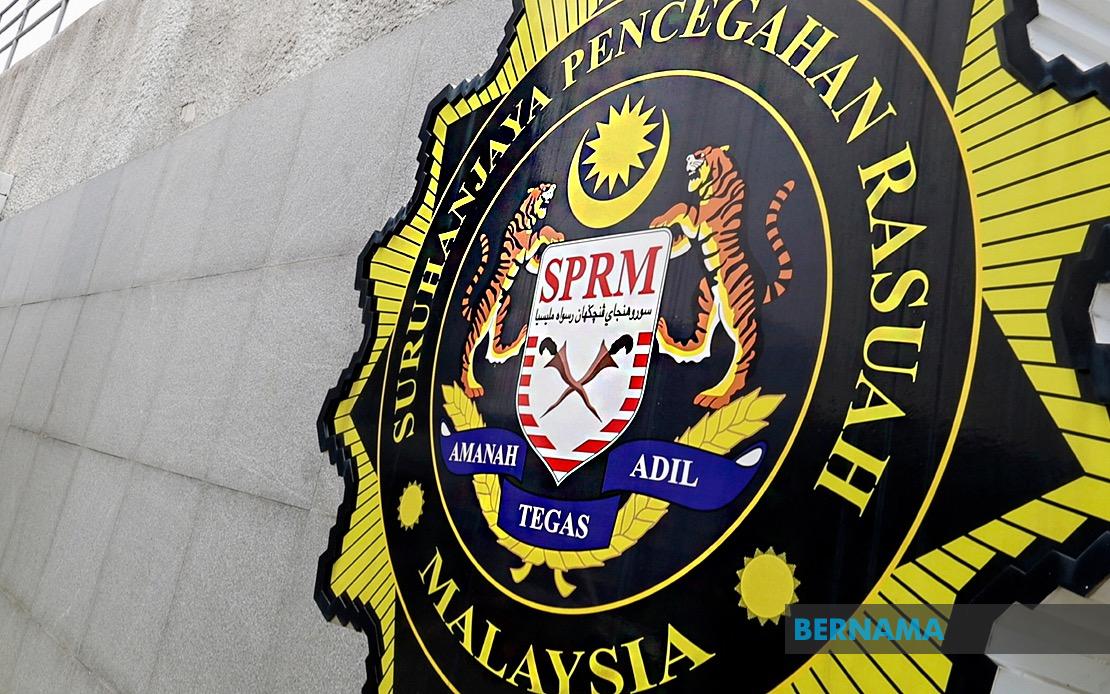
The Malaysian Anti-Corruption Commission has achieved a significant milestone in its international standing by securing finalist nominations across four separate categories at the ICA Compliance Awards APAC 2026, organised by the International Compliance Association. Making its inaugural appearance at the prestigious regional awards programme, the MACC's multiple nominations underscore the organisation's growing prominence in anti-corruption work and compliance excellence within the Asia-Pacific sphere.
Two individual officers from the MACC have been recognised for their professional contributions. Mohd Shukri Mohd Said, who leads Investigation Division Branch C, has advanced to the final round for the Compliance Leader of the Year award, while Mohammad Nazree Mansor earned nomination in the Rising Star Award category. These individual recognitions highlight the calibre of personnel working within Malaysia's principal anti-corruption agency and their dedication to the institutional mission.
Beyond the individual accolades, the MACC has also qualified as a finalist in two organisational categories, including the prestigious Compliance Team of the Year award and the Small Compliance Team of the Year designation for units with fewer than seven members. The dual organisational nominations suggest that the commission's internal teams are demonstrating measurable excellence in how they function, collaborate, and deliver results in their respective domains.
Datuk Mohd Hafaz Nazar, the MACC's Investigation Division senior director, characterised the nominations as validation of the institution's sustained commitment to advancing integrity standards, compliance protocols, and anti-corruption governance mechanisms. Speaking through an official statement, he positioned the achievement as both recognition of current efforts and motivation for future enhancement, noting that the international acknowledgement should propel the commission toward even greater excellence on both domestic and regional platforms.
For Mohd Shukri, the nomination for leadership recognition represents vindication of his approach to managing investigative operations within the commission. He emphasised that such international validation extends beyond individual achievement, reflecting instead the broader professional commitment demonstrated by MACC officers in executing the nation's anti-corruption objectives. The recognition, he stated, underscores how institutional dedication translates into visible professional standing on the global stage.
Mohammad Nazree expressed that his nomination as an emerging compliance talent serves as a personal catalyst for continued professional development. The Rising Star Award recognition, he suggested, carries particular significance for younger practitioners within the public service, as it validates their contributions to integrity initiatives while simultaneously motivating them to deepen their expertise and expand their influence within anti-corruption frameworks.
The timing of these nominations carries particular relevance for Malaysia's governance agenda. As the country continues to navigate complex reform challenges and strengthen institutional accountability mechanisms, international recognition of the MACC's work sends an important signal about the nation's commitment to confronting corruption systematically and professionally. Such external validation can enhance public confidence in the commission's investigative processes and governance mandates.
The competitive landscape for these awards spans the entire Asia-Pacific region, an area encompassing diverse economies with varying compliance maturity levels and anti-corruption infrastructure. The MACC's qualification as a finalist therefore positions Malaysia alongside other regional frontrunners in compliance and integrity work, placing the commission within a peer group addressing similar institutional challenges across different national contexts.
The International Compliance Association itself represents a significant institutional actor in professional standards setting. Since its establishment in 2001, the organisation has shaped compliance practices across more than 160,000 practitioners globally through standardised training programmes and professional certification frameworks. Its regional awards programme consequently carries weight within professional circles concerned with financial crime prevention, governance integrity, and compliance excellence.
Results from the competition will be announced during a virtual awards ceremony scheduled for July 21, allowing the MACC to potentially capture wins across multiple categories during a single announcement event. The virtual format ensures accessibility for institutions across the dispersed Asia-Pacific geography while maintaining the symbolic weight of formal recognition.
For Malaysian stakeholders monitoring anti-corruption progress, these nominations warrant attention as indicators of institutional capacity and international standing. The MACC's debut appearance at this level of international recognition suggests the organisation has matured sufficiently to meet rigorous external evaluation standards. The multiple nominations across individual and team categories indicate balanced development across the commission's operational structure rather than concentrated excellence in narrow specialisations.
Regional counterparts managing similar anti-corruption mandates will be observing these nominations and eventual outcomes. The international compliance community increasingly emphasises institutional performance metrics, professional development, and systematic approaches to corruption prevention. Malaysia's showing at this competition therefore carries implications for how the MACC positions itself within evolving regional standards for anti-corruption work and governance excellence.