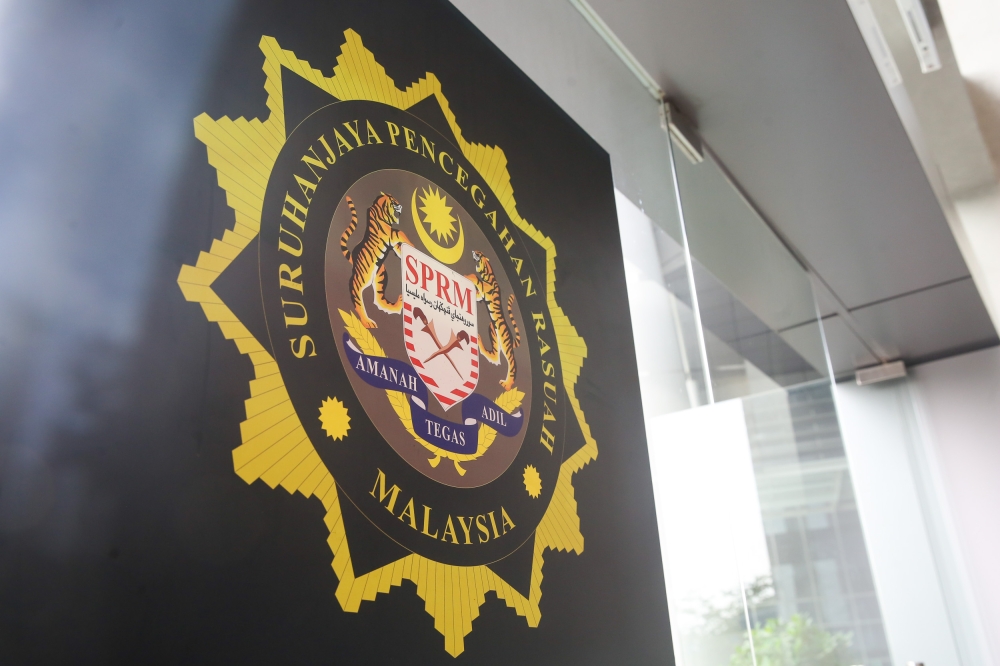
The Malaysian Anti-Corruption Commission has moved decisively to detain seven individuals connected to Tabung Haji, signalling an intensification of its probe into the troubled pilgrimage fund. Among those arrested are senior management figures from the institution itself and the chief executive of a shipping company, marking a significant escalation in what has become one of Malaysia's most closely watched financial investigations in recent years.
Tabung Haji, the government-backed entity responsible for managing savings for Malaysian Muslims preparing for the Hajj pilgrimage, has faced mounting scrutiny following a comprehensive royal commission inquiry. The detention of multiple executives suggests investigators have identified specific individuals they believe bear responsibility for alleged financial irregularities or misconduct within the organisation. The breadth of the arrests—spanning both internal leadership and external business partners—indicates the probe extends beyond simple administrative failures into potential criminal conduct.
The involvement of a shipping company executive in the detentions opens a new dimension to the investigation, suggesting possible concerns about procurement practices, contract awards, or business dealings involving related entities. This pattern of cross-sector arrests often indicates investigators are examining networks of decision-making that may have benefited certain parties at the expense of Tabung Haji's assets and stakeholders. For Malaysian readers, the expansion of the investigation beyond the fund's walls underscores how financial mismanagement in public institutions frequently involves intricate webs of connected businesses and individuals.
The timing of these arrests reflects the seriousness with which anti-corruption authorities are treating allegations against Tabung Haji. The commission's willingness to move swiftly against senior figures demonstrates institutional confidence in the evidence gathered and a commitment to following investigative leads wherever they lead. Such decisive action is particularly important given Tabung Haji's status as a trusted repository for the savings of millions of Malaysian Muslim pilgrims, making public confidence in the institution's integrity a matter of national concern.
Tabung Haji's difficulties have accumulated over several years, with concerns raised about investment performance, governance structures, and management decisions that potentially eroded the value of accumulated pilgrim savings. The royal commission inquiry was established specifically to examine these systemic failures and determine whether criminal conduct underlay the organisation's problems. These latest detentions represent the enforcement phase following the commission's investigative work, as authorities attempt to translate findings into criminal accountability.
For Malaysia's broader governance landscape, the case reflects both the vulnerabilities of state-linked institutions and the mechanisms available to address them. Tabung Haji operates at the intersection of religious obligation and financial stewardship, giving it particular cultural and social significance. When such institutions encounter problems, the reputational damage extends beyond balance sheets to affect public trust in government-backed entities generally. The visible action by MACC sends a message that no organisation, regardless of its standing or connections, is exempt from accountability.
The detention of executives raises important questions about governance oversight and the independence of board-level decision-making. How decisions were approved, what due diligence processes existed, and whether internal controls functioned as intended will likely feature prominently in the investigation. These institutional questions carry implications for how other Malaysian public sector entities structure their operations and implement safeguards. Investors and depositors across multiple institutions will be watching to see whether systemic weaknesses identified at Tabung Haji exist elsewhere.
For the regional context, Malaysia's handling of this high-profile case carries significance beyond national borders. Southeast Asian nations often reference each other's anti-corruption approaches and institutional effectiveness. How transparently and thoroughly Malaysia addresses alleged misconduct at Tabung Haji will influence perceptions of the country's commitment to governance standards and the reliability of its financial institutions. This is particularly relevant for cross-border investment and banking relationships throughout the region.
The detentions also highlight the distinction between administrative failure and criminal misconduct. While mismanagement itself may be damaging, proving criminal intent requires demonstrating that specific individuals deliberately acted dishonestly or in violation of their fiduciary duties. The nature of charges that emerge against those detained will clarify whether investigators view these matters as negligence or as deliberate wrongdoing warranting prosecution. This distinction carries substantial consequences for those involved and for public understanding of what went wrong.
Looking forward, the investigation's trajectory will depend on the strength of evidence against detainees and their cooperation with authorities. Charges, if laid, will likely spark significant legal proceedings that could extend over months or years. For Tabung Haji itself, the continued institutional focus on accountability raises parallel questions about recovery, restructuring, and restoring pilgrim confidence. The organisation will need to demonstrate reformed governance and renewed commitment to protecting the savings entrusted to it by millions of Malaysians.

