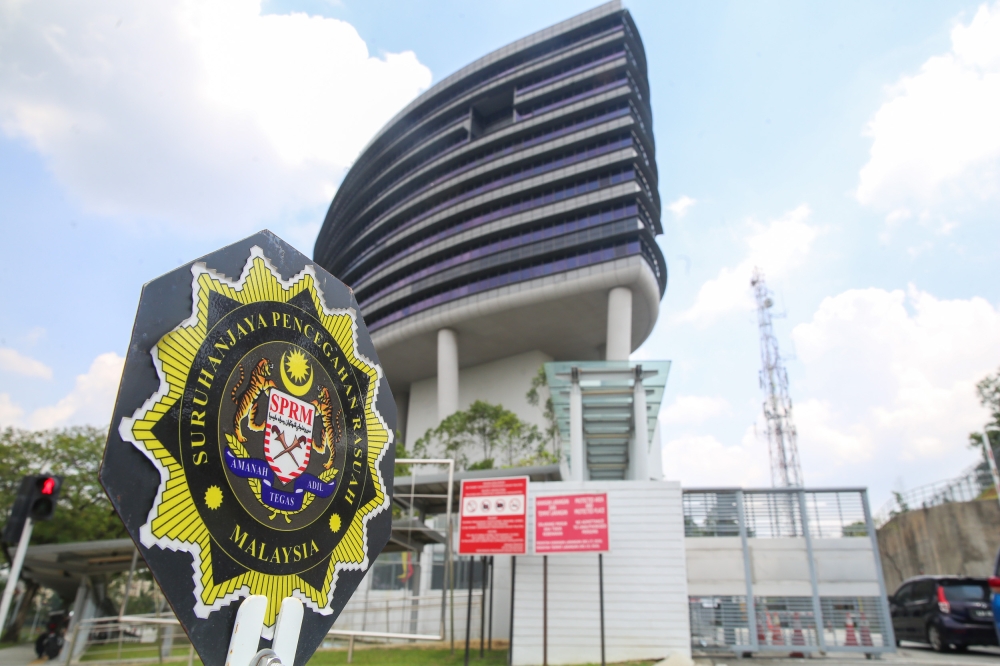
The Malaysian Anti-Corruption Commission escalated its probe into a significant data security breach at the Immigration Department by taking five more immigration officers into custody on August 4. The arrests form part of a widening investigation into alleged unauthorized access to the MyIMMs portal, the government's immigration management system that handles sensitive personal information for millions of Malaysians and foreign nationals. The scale of the operation underscores growing concern about the vulnerability of critical government digital infrastructure and the extent to which internal personnel may have exploited their access privileges.
MyIMMs serves as the primary platform for immigration-related transactions, from visa applications and passport renewals to travel document processing. The system's centrality to Malaysia's border management and immigration workflow means that unauthorized access could potentially expose substantial quantities of personal data, including identification numbers, travel history, visa status information, and biographical records. The breach has triggered serious questions about internal controls, authentication protocols, and whether adequate safeguards existed to prevent or detect improper system access by authorized users with legitimate credentials.
The arrests of the five officers follow earlier detention of individuals suspected of involvement in the same incident, signalling that investigators believe the breach involved multiple actors working within or in coordination with the immigration bureaucracy. This pattern suggests the unauthorized access may have been systematic rather than isolated, raising concerns about whether the suspects exploited their official positions to facilitate unauthorized queries or data extraction for personal gain, commercial purposes, or third parties. The MACC's methodical approach to apprehending individuals implicated in the scheme indicates a complex investigation involving digital forensics, transaction logs, and cross-referencing of system access records.
The implications for Malaysia's digital governance are substantial. MyIMMs represents the kind of mission-critical platform that governments across Southeast Asia increasingly depend upon for service delivery and administrative efficiency. However, as this case demonstrates, digitalization simultaneously creates new vulnerability vectors. The reliance on human operators with system access means that technical safeguards must be paired with rigorous vetting, monitoring, and ethical standards among personnel. For Malaysian citizens and businesses, the breach raises immediate concerns about personal data security and the adequacy of measures protecting information held by government agencies.
Regional observers note that immigration-related data breaches have become increasingly common across Asia-Pacific nations, reflecting broader digital security challenges as governments modernize their infrastructure. Malaysia's response through MACC investigation signals commitment to accountability, yet also highlights the persistent human element in cybersecurity. Technological solutions alone cannot prevent misconduct by insiders with legitimate access; rather, institutional cultures emphasizing integrity, coupled with sophisticated audit trails and anomaly detection systems, become essential safeguards.
The detention of multiple officers also raises questions about supervision and management within the Immigration Department. Whether the breach reflects failures in oversight, inadequate training on data security protocols, or deliberate circumvention by personnel acting in defiance of rules will likely emerge during investigation and any subsequent prosecution. These questions matter because they determine whether remedial action should focus on technical system improvements, personnel management reforms, or structural changes to how access privileges are granted and monitored.
From a legal standpoint, unauthorized access to government systems and data falls under Malaysia's computer crimes legislation, specifically the Computer Crimes Act 1997, alongside potential charges under the Malaysian Anti-Corruption Commission Act if the conduct is motivated by corrupt purposes or personal enrichment. Prosecutors will need to establish both the unauthorized nature of the access and the culpability of each individual officer, demonstrating what information was accessed, whether data was extracted or shared, and the precise manner in which each suspect contributed to the breach.
For immigration stakeholders—travel agencies, human resource professionals managing foreign workers, diplomatic missions, and ordinary Malaysians relying on immigration services—the investigation's progress carries practical significance. Any disruption to MyIMMs operations during investigation and remediation could impact service delivery, visa processing timelines, and business operations dependent on smooth immigration procedures. Furthermore, restored public confidence in the system's security will require transparent communication about what happened, what measures are being implemented to prevent recurrence, and what oversight mechanisms are strengthening.
The MACC's continued expansion of its investigative net suggests that authorities have substantial evidence linking additional personnel to the breach. As more officers are questioned and digital evidence analyzed, investigators will likely develop a clearer understanding of the breach's scope, duration, and consequences. Whether this represents an isolated criminal enterprise within the immigration bureaucracy or symptomatic of broader institutional vulnerability remains to be determined as the investigation progresses and findings are eventually disclosed through the criminal justice process.

