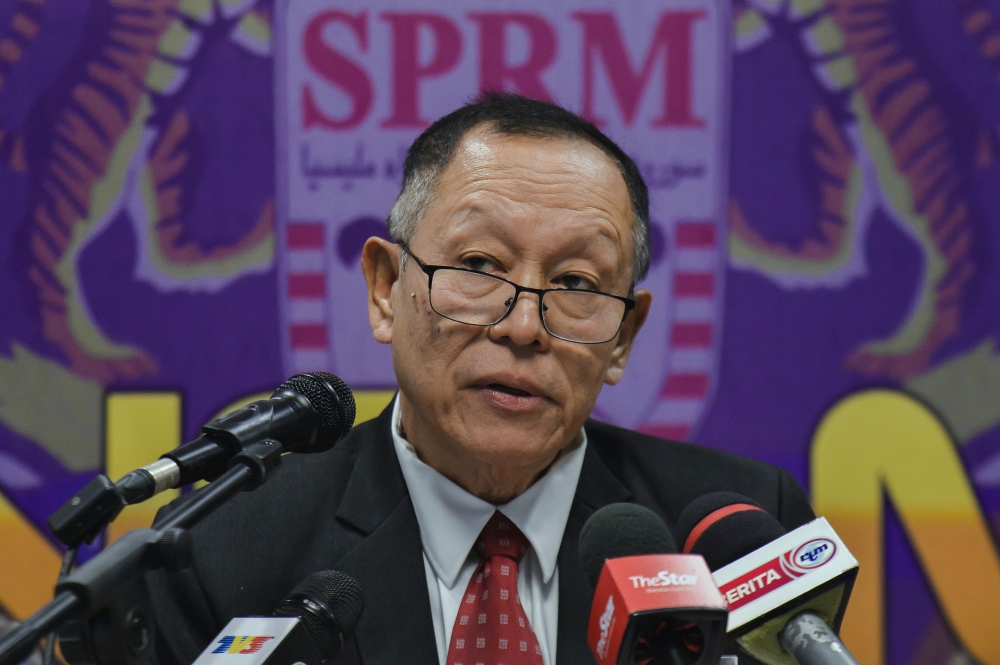
The Malaysian Anti-Corruption Commission is contemplating the involvement of overseas forensic specialists to navigate the mounting complexities of its Tabung Haji investigation, according to statements made in Kuching on August 13. This development comes after the anti-graft body has already conducted extensive preliminary work, including interviews with 115 witnesses and the detention of seven suspects, underscoring the scale and intricacy of the inquiry into Malaysia's pilgrimage fund.
The consideration of foreign forensic assistance marks a significant escalation in the investigation's scope and reflects the MACC's acknowledgment that the case may require expertise beyond the commission's current in-house capabilities. Tabung Haji, formally known as the Lembaga Tabung Haji, represents one of Malaysia's most important financial institutions, managing billions of ringgit in savings and investments for Muslims planning to undertake the Hajj pilgrimage. Any allegations of mismanagement or impropriety at the organisation carry substantial implications for hundreds of thousands of account holders nationwide.
The breadth of witness interviews undertaken so far—115 individuals—suggests investigators are casting a wide net across multiple departments and levels of the institution, potentially examining financial transactions, decision-making processes, and internal controls. The detention of seven individuals indicates that the MACC has identified persons of interest whose roles warrant closer scrutiny, though the commission has not publicly detailed the specific charges or allegations each detainee faces. The sequential revelation of these investigative steps demonstrates the methodical approach authorities are employing to build a comprehensive understanding of the matter at hand.
By exploring international forensic options, the MACC appears to be grappling with challenges that extend beyond straightforward corruption detection. Modern financial investigations frequently involve complex digital trails, cross-border transactions, and sophisticated accounting methodologies that demand specialised analytical skills. Foreign forensic teams often bring experience from investigating comparable cases in other jurisdictions, potentially accelerating the identification of irregularities that might otherwise take considerably longer to uncover through conventional domestic procedures.
The decision to seek external expertise also carries diplomatic and institutional implications. Engaging foreign forensic specialists requires formal approvals and international cooperation frameworks, signalling both the seriousness with which Malaysian authorities view the investigation and their commitment to conducting a transparent, internationally credible inquiry. For Tabung Haji account holders and the Malaysian public, such measures may offer reassurance that investigators are pursuing leads comprehensively and professionally, regardless of institutional or political sensitivities that might otherwise constrain the investigation.
Tabung Haji's operational scope and financial significance make it a high-profile institution whose governance failures could generate substantial public concern. The fund manages pilgrim savings accounts, invests in domestic and international assets, and administers loan schemes for prospective Hajj pilgrims. Any systematic misappropriation or mismanagement would potentially affect hundreds of thousands of Malaysian families who depend on the institution to safeguard their Hajj funds. This stakes raise the investigation's urgency and reinforce the need for rigorous, credible outcomes.
The investigation's progression from initial inquiries to considerations of international forensic support suggests that preliminary findings have likely revealed sufficient complexity or uncertainty to justify expanded investigative resources. The MACC may have encountered financial transactions, corporate structures, or asset movements that require specialist analysis to validate or refute specific allegations. International forensic teams can bring methodologies proven effective in similar investigations and provide expert testimony that could strengthen any eventual prosecution or disciplinary proceedings.
For Malaysia's standing in regional and international anti-corruption efforts, the manner in which this investigation unfolds carries weight. Southeast Asian economies have increasingly emphasised transparency and professional governance standards as investor confidence depends partly on perceived institutional integrity. A high-profile investigation into a major government-linked financial institution, conducted with rigorous international standards, demonstrates Malaysia's commitment to accountability regardless of the institution's status or the power of individuals involved.
The timeline for this investigation remains uncertain, though the scale of preliminary work already undertaken suggests authorities expect the process to extend several months. The anticipated engagement of foreign forensic specialists could add further duration to the inquiry, as securing international cooperation, coordinating methodologies, and processing findings through multiple institutional channels requires administrative lead time. Nevertheless, the MACC's evident willingness to invest these resources indicates strong determination to reach definitive conclusions.
As the investigation progresses, particular attention will focus on any findings regarding investment decisions, loan approvals, asset acquisitions, or fund transfers that may have benefited specific individuals or entities inappropriately. The seven detained suspects will likely remain central to investigators' efforts, as their testimony or evidence may illuminate the broader patterns or specific transactions that triggered the initial inquiry. The eventual findings, once concluded and made public, will substantially influence public and investor confidence in Tabung Haji's governance structures and the broader ecosystem of Malaysian financial institutions managing public or quasi-public assets.

