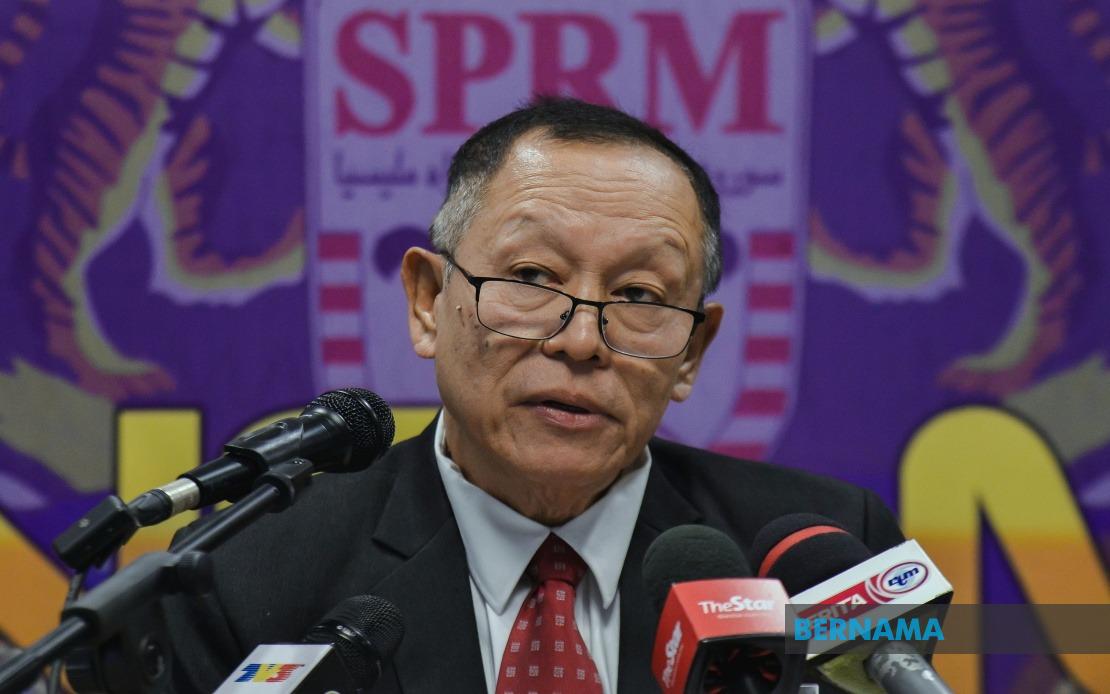
The Malaysian Anti-Corruption Commission (MACC) has wrapped up its intensive questioning of a former chief financial officer at a statutory body-owned company as investigators pursue allegations emerging from the Royal Commission of Inquiry into Lembaga Tabung Haji. The completion of the statement-recording process represents a significant milestone in what appears to be a wide-ranging examination of governance failures and potential misconduct at the pilgrim fund body, which has faced mounting scrutiny over recent financial irregularities.
According to MACC chief commissioner Datuk Seri Abd Halim Aman, the questioning of the 60-year-old individual concluded on Thursday following four consecutive days of intensive interviews. The daily session on the final day stretched from 9 am until 6.30 pm, indicating the depth and complexity of the inquiry into the alleged wrongdoing. This extended questioning period underscores the seriousness with which authorities are approaching the investigation and the substantial volume of information authorities needed to extract regarding the controversial transactions.
At the heart of the investigation lies a RM370 million share acquisition involving two plantation companies. According to the findings outlined in the RCI report on Tabung Haji, this transaction has become a focal point for allegations of abuse of power, raising questions about how such substantial financial commitments were authorised and executed. The scale of the investment demonstrates the magnitude of potential exposure to the pilgrim fund and its beneficiaries, making the thorough investigation particularly crucial to understanding what safeguards—or lack thereof—were in place during the decision-making process.
The MACC's decision to detain both the former CFO and the company's previous chief executive officer while they provided their statements reflects the investigative agency's assessment of the gravity surrounding these allegations. Both individuals voluntarily came to MACC headquarters on Tuesday to cooperate with investigators, though their retention during the process suggests authorities viewed them as key figures whose presence was necessary for sustained questioning and clarification of complex financial transactions. This approach allows investigators to pursue follow-up questions without interruption and to cross-reference statements in real time.
The focus on abuse of power as the alleged cornerstone misconduct is particularly significant. Rather than investigating straightforward embezzlement or theft, the MACC appears to be examining whether individuals exploited their positions of authority to make decisions that benefited certain parties at the expense of Tabung Haji and its contributors. This distinction matters considerably, as it suggests the investigation concerns governance breakdowns and misuse of fiduciary responsibility rather than simple criminal theft, though both carry serious implications for accountability.
The broader context of the Tabung Haji RCI adds weight to this investigation. The royal commission's findings have already raised serious questions about financial management, investment decisions, and governance structures at the institution responsible for administering funds collected from Malaysian Muslims intending to perform the Hajj pilgrimage. The RM370 million share purchase represents just one component of the wider examination into how the organisation handled its substantial asset base.
For Malaysian citizens, particularly those who have contributed to Tabung Haji or plan to do so, these developments carry direct relevance. The integrity of such institutions depends fundamentally on robust governance and the trustworthiness of those managing contributed funds. When allegations of abuse of power emerge, they undermine confidence in the system and raise questions about whether adequate oversight mechanisms existed to prevent such decisions from being made without proper authorisation and scrutiny.
The investigation also reflects broader regional concerns about corporate governance and financial accountability at statutory bodies. Southeast Asian nations have increasingly focused on strengthening anti-corruption frameworks and ensuring that public institutions operate transparently and in accordance with established procedures. Malaysia's pursuit of these allegations demonstrates the country's commitment to investigating potential misconduct regardless of the seniority or position of those involved.
Looking ahead, the conclusion of the statement-recording phase suggests the investigation may be moving toward either seeking further information from other witnesses or preparing recommendations regarding potential charges. The MACC will need to analyse the extensive information gathered over these four days and cross-reference it with other evidence, including documentation of the share purchase decision-making process, communications between executives, and financial records detailing how the transaction was authorised and executed.
The timing of this investigation sits within a broader push by Malaysian authorities to strengthen governance standards and hold public officials accountable. As the MACC continues its work, the case will likely serve as an important test of whether such institutions can effectively investigate and hold accountable those in leadership positions who may have abused their authority for improper purposes.

