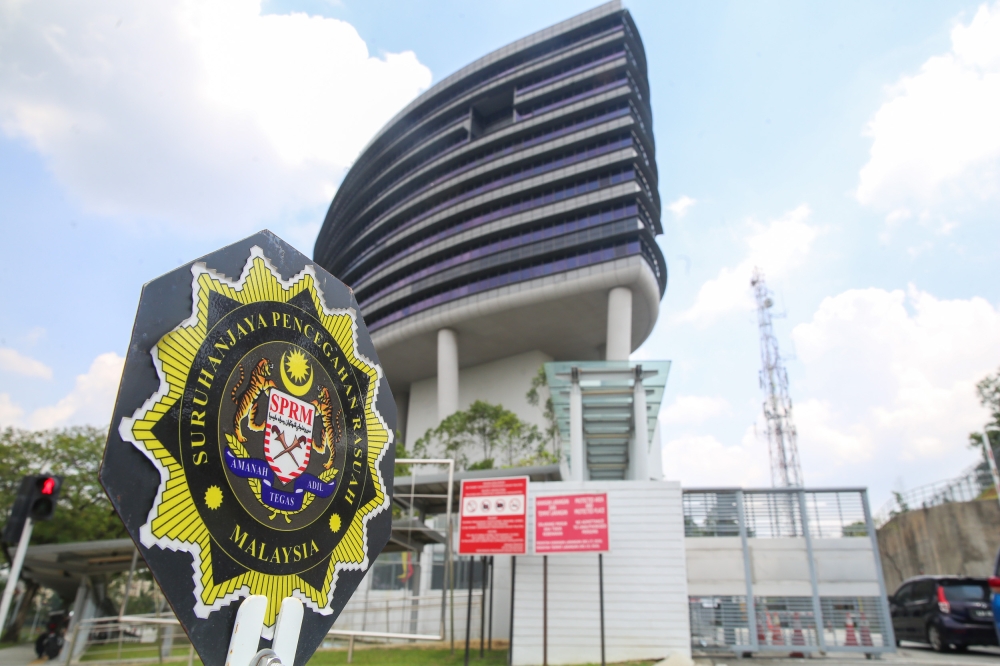
The Malaysian Anti-Corruption Commission has announced a significant expansion of its digital forensics infrastructure, signalling growing recognition that traditional investigative tools are increasingly inadequate in an era of sophisticated artificial intelligence and synthetic media. This strategic initiative addresses a critical vulnerability in Malaysia's anti-corruption framework, as perpetrators grow more adept at using technology to obscure misconduct and manipulate evidence in ways that conventional detection methods struggle to identify.
The move comes at a moment when deepfakes and AI-manipulated content have become global concerns, particularly within law enforcement and regulatory agencies. For Malaysia, where high-profile corruption cases have dominated headlines and tested public confidence in institutional integrity, the ability to authenticate evidence and identify fraudulent digital materials has become essential. The commission's investment reflects an acknowledgement that as corruption tactics evolve, investigative capacity must advance in parallel to maintain effectiveness and credibility.
Digital forensics represents a frontier that many developing nations have been slow to address comprehensively. Malaysia's initiative positions the country ahead of regional peers in recognising that corruption investigations in the modern era require technical sophistication comparable to that deployed by sophisticated criminals and public officials engaged in misconduct. The enhancement enables investigators to scrutinise digital evidence more rigorously, distinguishing between authentic recordings and artificially generated or substantially altered materials that might otherwise mislead proceedings.
The technology landscape has shifted dramatically in recent years. Deepfake technology, powered by machine learning algorithms, has become accessible to individuals with basic technical knowledge, rather than remaining confined to specialists with advanced resources. This democratisation of synthetic media creation poses obvious risks to the integrity of evidence in legal proceedings. A manipulated video or audio recording could undermine a legitimate investigation or bolster a false narrative designed to protect wrongdoers, making detection capability a cornerstone of fair justice administration.
For Malaysia's business community and international investors, this development carries reassuring implications. Confidence in anti-corruption mechanisms depends partly on public belief that investigations are conducted fairly and that evidence is authentic. Enhanced forensic capabilities strengthen that confidence by demonstrating institutional commitment to rigorous standards. This matters for Malaysia's international standing, particularly in sectors like finance and governance where corruption risk assessments directly influence investment decisions and regulatory relationships with trading partners.
The implications extend beyond individual cases to institutional capacity-building. By developing in-house expertise in digital forensics, the MACC reduces dependence on foreign consultants or international laboratories for critical investigative support. This builds organisational resilience and ensures that sensitive materials remain within Malaysia's control throughout analysis. It also enables faster turnaround times in investigations, where delays in evidence authentication can impede prosecutions and allow suspects additional opportunity to obstruct justice.
Regionally, the move reflects broader Southeast Asian challenges with corruption and institutional integrity. While some nations in the region have invested in sophisticated enforcement infrastructure, others lag considerably. Malaysia's initiative may influence peer agencies and contribute to regional standards that make it harder for corrupt actors to exploit technological gaps between jurisdictions. As business and crime increasingly transcend borders, harmonised investigative capabilities become more valuable.
The investment also acknowledges that corruption perpetrators are often sophisticated actors with access to technical resources. Senior officials, large enterprises, and organised crime figures can afford experts capable of producing convincing falsified evidence. The MACC's capability must match this sophistication. Without advanced forensics capacity, even well-intentioned investigators risk being outmanoeuvred by defendants' technical defences, where subtle manipulations in evidence could create reasonable doubt in judicial proceedings.
Training and personnel development will be crucial to realising this initiative's potential. Forensic expertise cannot be procured as merely as hardware; it requires experienced personnel with both deep technical knowledge and investigative judgment. The MACC's investment should encompass comprehensive capacity-building programmes that develop local expertise pools and reduce institutional dependence on external specialists for ongoing operations. This creates sustainable advantage rather than temporary capability.
The cybersecurity dimension merits attention as well. As the MACC handles increasingly sensitive digital materials, protecting its own systems from breach becomes paramount. Corruption suspects or their associates might seek to compromise investigative databases or manipulate materials within the commission's custody, creating false allegations of evidence tampering. Robust cybersecurity protocols must accompany forensics capability to prevent such scenarios.
Public transparency about these enhancements also serves an important function. By publicly announcing its strengthened capacity, the MACC signals to potential wrongdoers that technological subterfuge offers diminishing advantage. This deterrent effect may prove as valuable as the actual detection capability, encouraging compliance and discouraging attempts at fabricating exculpatory evidence. Conversely, if the public remains unaware of these capabilities, the deterrent value diminishes significantly.
Looking forward, the initiative opens questions about how other Malaysian enforcement agencies will address similar technological challenges. Police corruption investigations, financial crime units, and regulatory bodies all encounter digital evidence authenticity questions. Coordinated advancement across agencies would multiply effectiveness and prevent corruption suspects from exploiting jurisdictional gaps. The MACC's lead could establish momentum for broader institutional modernisation across Malaysia's integrity architecture.

