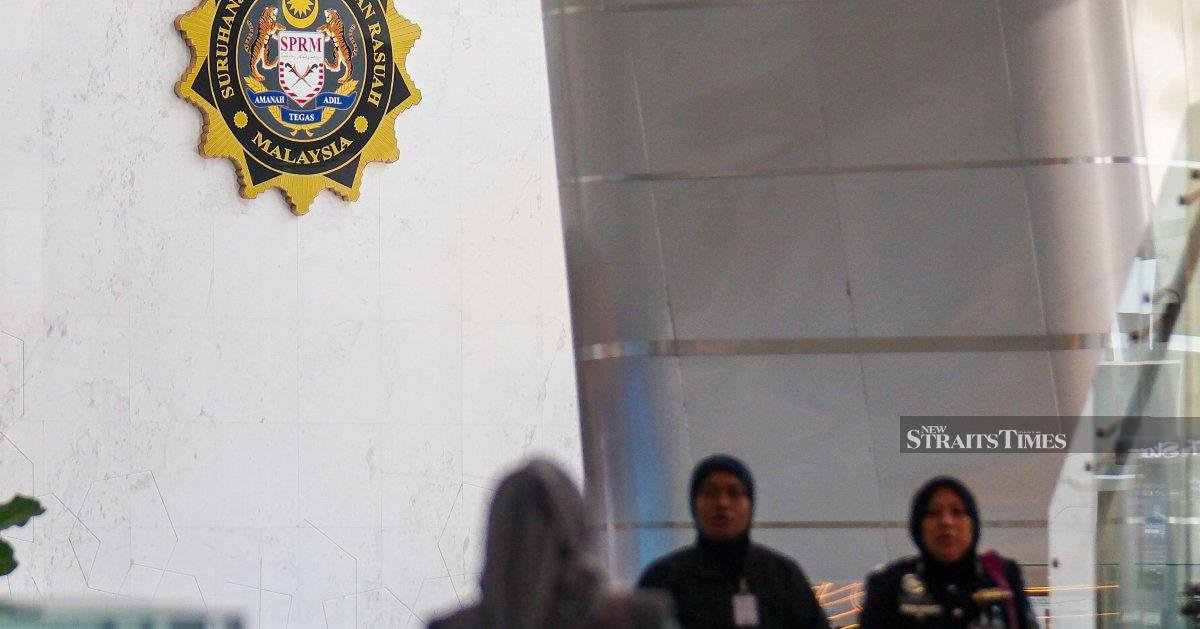
The Malaysian Anti-Corruption Commission announced fresh arrests on Wednesday as its investigation into financial impropriety at Tabung Haji deepens, with three individuals now in custody following allegations of misappropriation centred on RM450,000 in Notice of Penalty charges. The development marks an escalation in the MACC's pursuit of those responsible for irregularities identified through the Royal Commission of Inquiry into Malaysia's Islamic pilgrimage fund.
Tabung Haji, one of Malaysia's largest financial institutions with assets exceeding RM80 billion and approximately 9.6 million account holders, has faced mounting scrutiny over governance and financial management in recent years. The fund's primary mandate involves managing savings for Malaysian Muslims undertaking the Hajj pilgrimage to Mecca, making public confidence in its operations essential to its legitimacy and standing within the Muslim community. Any financial impropriety threatens not only the personal investments of millions of ordinary Malaysians but also the institution's reputation as a trusted custodian of religious obligations and savings.
The Notice of Penalty mechanism in question suggests potential administrative irregularities in how the fund processed financial penalties or assessed charges against either account holders or internal operations. The RM450,000 figure indicates a substantial sum, which in the context of individual account holders could represent life savings accumulated over years, or in organisational terms, could reflect systemic overcharging or improper assessment procedures affecting multiple parties. The specificity of this amount suggests investigators have traced the suspicious transactions and linked them to identifiable individuals now under arrest.
The Royal Commission of Inquiry mechanism represents Malaysia's formal institutional response to concerns about Tabung Haji's governance. Such commissions typically investigate matters of significant public interest where ordinary oversight structures appear insufficient. The fact that this RCI uncovered evidence sufficient to warrant MACC intervention indicates that concerns about the fund's management ran deep enough to justify extraordinary investigative powers. Previous scrutiny of Tabung Haji has included questions about executive compensation, investment performance, and the adequacy of internal controls.
The MACC's jurisdiction over this matter reflects Malaysia's broader anti-corruption framework, which extends beyond conventional corruption to encompass abuse of power and financial misconduct within public or quasi-public institutions. Tabung Haji, while operating as a statutory body with commercial dimensions, falls within this purview because of its public mandate and the degree of public trust invested in it. The commission's involvement signals official recognition that the allegations represent serious governance failures rather than mere administrative oversights.
For Malaysian account holders, these arrests may provide some reassurance that authorities are pursuing accountability, yet they also raise questions about how such irregularities occurred initially and what safeguards failed to prevent them. The three individuals arrested now face scrutiny regarding their roles in the alleged misappropriation, with investigations determining whether they acted individually, collusively, or under direction from superiors within the organisation. Their cooperation or resistance to questioning will likely shape the trajectory and scope of subsequent arrests or charges.
The broader context of institutional integrity in Malaysia makes this investigation politically significant. The nation has undertaken considerable effort in recent years to strengthen anti-corruption mechanisms and prosecute high-profile cases. How effectively authorities handle prominent cases involving public institutions directly influences public perception of commitment to clean governance. Tabung Haji's scale means that any settlement or prosecution outcome will attract scrutiny from multiple stakeholders including religious authorities, account holders, and international observers monitoring Malaysia's governance standards.
The three-suspect development also suggests the investigation has evolved beyond preliminary findings into a phase where investigators have sufficiently identified individuals whose conduct warrants custodial interrogation. This operational escalation typically indicates that evidence has matured to the point where detained individuals can be questioned about specific transactions, decisions, and communications. The arrests serve both investigative purposes through interrogation and procedural purposes by initiating formal processes that can lead to charging decisions.
Going forward, the investigation's conclusions will likely influence reforms within Tabung Haji's governance structure, financial procedures, and oversight mechanisms. Regulators may impose additional requirements on the fund regarding transparency, internal audit functions, and delegation of authority. Account holders themselves will monitor developments closely, aware that institutional failures can directly impact the value and security of their pilgrimage savings. The case also carries implications for Malaysia's reputation internationally, particularly among Muslim-majority nations from which expatriate workers in Malaysia hold Tabung Haji accounts.

