The Armed Forces Fund Board (LTAT) has launched an expanded iteration of its signature Jelajah Wira engagement roadshow in the East Coast region, marking a significant shift toward digital integration to amplify its reach across Malaysia's defence community. Unveiled in Kota Bharu on July 2, the initiative combines traditional physical roadshow components with live-streaming technology, projecting a combined audience exceeding 10,000 military personnel nationwide. Deputy Defence Minister Adly Zahari officiated the launch at Desa Pahlawan Camp, signalling the government's commitment to modernising outreach mechanisms within the armed forces.
The digital innovation serves a broader strategic purpose within LTAT's operational framework, positioning the roadshow as a dual-channel communication platform rather than a conventional physical engagement exercise. By integrating livestreaming capabilities, the board aims to overcome geographical barriers that have traditionally limited participation among ATM personnel stationed across remote or dispersed locations. This approach acknowledges the contemporary logistical constraints faced by a defence force distributed across an archipelago-like nation, where bringing all military personnel to centralised venues remains impractical.
The East Coast corridor represents the pilot region for this expanded model, with scheduled stops at three strategically significant military installations. The roadshow will progress to Sri Pantai Camp in Kuala Terengganu on July 9, followed by Kuantan Air Base in Pahang on July 13, with direct physical attendance anticipated to exceed 3,600 military personnel across these three venues. The sequencing reflects deliberate planning to maximise geographic coverage while maintaining operational feasibility at each installation.
Beyond mere attendance figures, the roadshow functions as a multifaceted engagement platform addressing several interconnected policy objectives. LTAT has structured the programme to strengthen its core mandate—safeguarding the financial and social well-being of armed forces contributors—while simultaneously supporting the government's broader MADANI Economy framework and PuTERA35 aspirations. This alignment demonstrates how defence-sector initiatives increasingly integrate with whole-of-government economic and social policy agendas, rather than operating in institutional isolation.
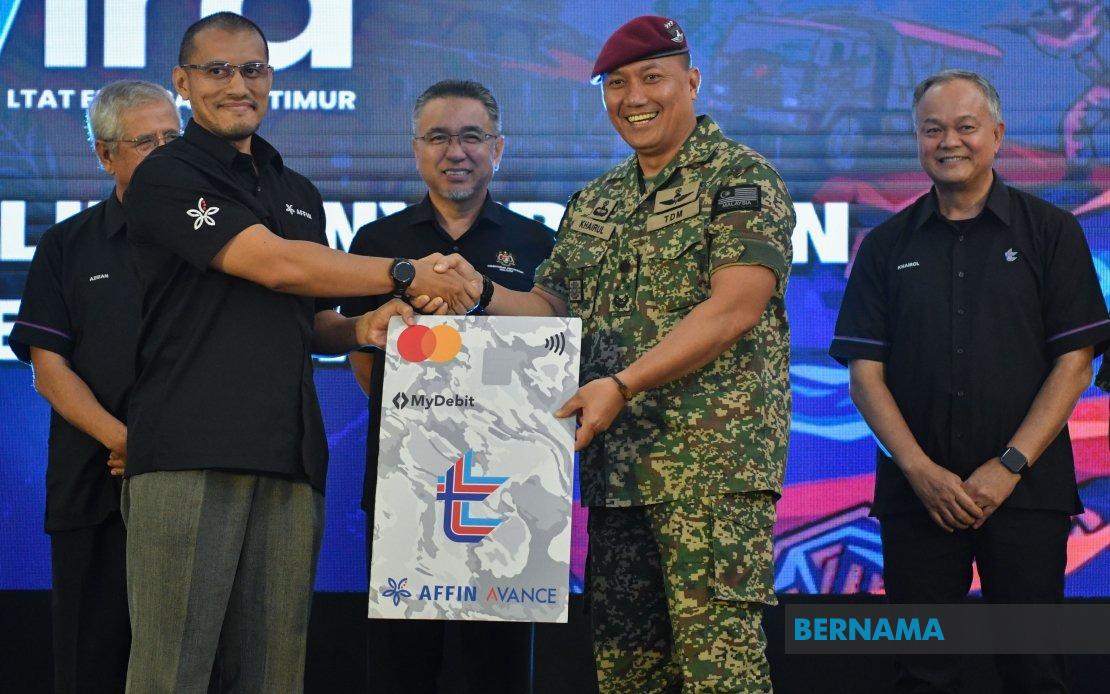
A particularly notable component involves the AFFIN LTAT Affiliate Debit Card presentation and distribution of smart devices under the 2026 SPM e-Perkasa programme. This initiative targets the children of armed forces personnel, providing them access to free online tuition classes. The programme reflects recognition that military personnel's concerns extend beyond personal financial management to encompass educational opportunities for their dependents—a holistic approach to welfare that acknowledges interconnected family needs.
The entrepreneurship dimension of the roadshow carries substantial economic significance for the armed forces community. LTAT's Wira Entrepreneur Empowerment Programme, now in its second series, has generated demonstrable returns: participating military veterans recorded an average monthly business income increase of 162 percent following programme completion. These metrics underscore the tangible economic impact of structured business mentoring combined with financial literacy training and ecosystem support. The East Coast edition will feature a graduation ceremony for the Northern Zone cohort and launch the third series, consciously expanding veteran entrepreneurship focus into the East Coast region.
The success of the entrepreneurship programme carries implications extending beyond individual veteran income improvement. As Malaysia increasingly emphasises economic diversification and self-employment pathways, particularly for segments transitioning from structured institutional employment, the demonstrated efficacy of the LTAT programme offers a replicable model. The 162 percent income increase suggests that targeted interventions combining mentoring, financial education, and systemic support can meaningfully alter trajectories for marginalised economic segments, a lesson relevant to broader skills development and entrepreneurship policy.
Financial literacy initiatives within the roadshow represent a sustained effort beginning in December 2023, having since engaged over 68,000 military personnel through briefing sessions conducted across various camps. This cumulative reach indicates that LTAT has successfully embedded financial capability-building into military institutional routines, transforming it from an ancillary service into a normalised component of personnel support infrastructure. The persistence and scale of these efforts suggest institutional recognition that financial security directly impacts force readiness and personnel well-being.
The digital livestreaming approach carries implications for how government institutions engage dispersed constituencies more broadly. By successfully implementing this hybrid model within the defence sector, LTAT potentially establishes a template for other public agencies serving geographically scattered populations or those with movement constraints. The technology reduces participation barriers while maintaining the interpersonal engagement dimensions that physical roadshows provide, creating a model applicable across government service delivery broadly.
From a Malaysian security and defence perspective, enhanced personnel engagement and welfare support directly contribute to force cohesion and retention. Addressing financial anxieties through accessible literacy programmes and creating entrepreneurial pathways for veterans reduces post-service transition stress. This preventive approach to veteran well-being aligns with international best practice in armed forces personnel management, where comprehensive welfare support demonstrably correlates with retention and psychological well-being metrics.
The roadshow's integration of contemporary technology reflects LTAT's recognition that military personnel increasingly expect government services meeting digital-era standards. By livestreaming proceedings, the board acknowledges that meaningful engagement no longer requires physical copresence, a lesson reinforced by post-pandemic experience across sectors. This digital literacy itself signals institutional modernisation within the defence establishment.
The convergence of financial literacy, entrepreneurship support, family welfare programmes, and digital accessibility within a single roadshow initiative demonstrates sophisticated programme integration. Rather than compartmentalised interventions, the Jelajah Wira LTAT 2026 functions as a comprehensive ecosystem addressing multiple dimensions of armed forces personnel well-being simultaneously. This holistic approach reflects matured thinking about defence personnel welfare policy, acknowledging that comprehensive support requires multifaceted intervention addressing financial, educational, entrepreneurial, and family dimensions concurrently.

