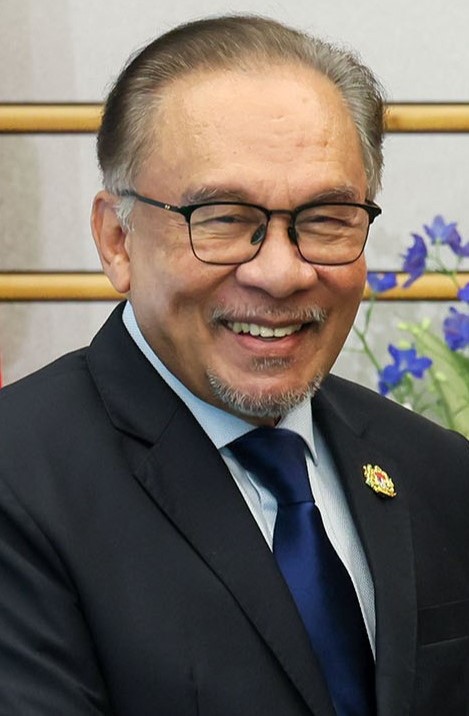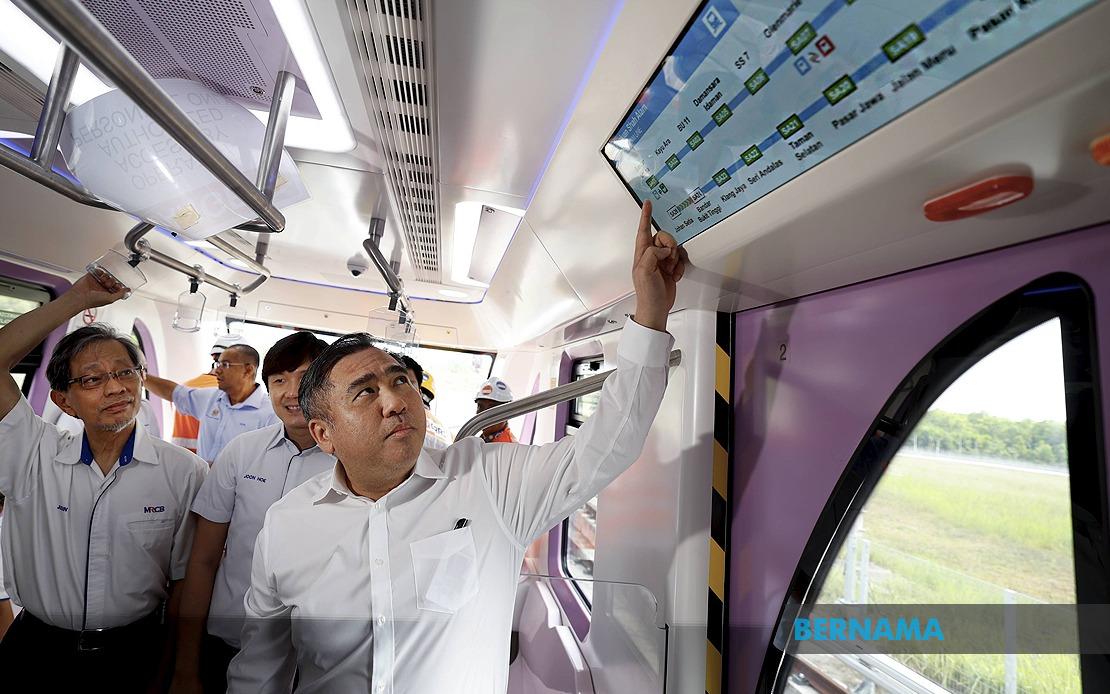
Malaysia's transportation infrastructure will expand significantly next week as the Light Rail Transit 3 (LRT3) prepares to welcome its first passengers on Monday, June 29. Transport Minister Anthony Loke announced the imminent opening of the ambitious rail project, which has been under development to address mobility challenges across Selangor's western corridor. The ceremonial handover will take place on Sunday, with Prime Minister Datuk Seri Anwar Ibrahim officiating the event before regular operations begin the following day.
The LRT3 represents a substantial addition to the Klang Valley's public transport network, stretching 37.8 kilometres across the region. The line extends from Bandar Utama in the north to Johan Setia in the southern reaches of Selangor, creating a vital north-south connection through areas previously underserved by rail infrastructure. This geographic span encompasses diverse urban landscapes, from established commercial hubs to rapidly developing residential zones, positioning the line as a crucial connector for daily commuters and businesses throughout the corridor.
The anticipated passenger base for LRT3 is substantial, with projections suggesting the service will benefit approximately two million residents across its operational area. This figure reflects the densely populated nature of western Selangor and the significant residential and commercial development that has occurred along the proposed route. For many residents in Shah Alam and adjoining municipalities, the new line offers an alternative to car-dependent commuting and potentially reduces congestion on the region's already overburdened road networks.
The infrastructure project responds directly to connectivity gaps that have constrained economic and social mobility in the western Klang Valley. Prior to LRT3's opening, commuters in many areas lacked convenient rail alternatives to private vehicles. The new line serves a deliberate mix of destination types—residential neighbourhoods, commercial districts, and industrial zones—reflecting comprehensive urban planning designed to maximise the network's utility across multiple transport demands. This multi-purpose approach distinguishes LRT3 from earlier transit initiatives that primarily targeted specific employment centres or residential clusters.
Shah Alam's status as Selangor's state capital makes it a logical anchor for the transit expansion. The city has experienced rapid demographic growth over recent decades, attracting manufacturing operations, service industries, and residential developments. However, its transportation infrastructure had not kept pace with this expansion, creating bottlenecks particularly during peak commuting periods. The LRT3 directly addresses this capacity deficit by offering mass transit alternatives that can accommodate the volume of daily movement required across the metropolitan area.
The broader context of Malaysian public transport development provides important perspective on LRT3's significance. The Klang Valley has gradually expanded its rail network over recent decades, with earlier phases of the LRT system (Lines 1 and 2) focusing on central Kuala Lumpur and eastern suburban corridors. The addition of LRT3 extends this network westward, completing a more comprehensive regional coverage that had previously left significant population centres dependent primarily on bus services and private transport. This phased approach, while requiring patience from residents and businesses, reflects the substantial capital requirements and complex planning necessary for modern transit infrastructure.
The economic implications of LRT3's opening extend beyond immediate passenger convenience. Improved public transport connectivity typically stimulates commercial development in proximity to station areas, creates employment opportunities in construction and operations, and generates economic activity through reduced transportation costs for businesses. Property values in transit-accessible areas frequently appreciate, reflecting the premium that investors and residents assign to convenient public transport access. For Selangor's economy, these secondary effects may ultimately prove as significant as the primary mobility benefits.
Operational success will depend on multiple factors beyond the infrastructure itself. Service frequency, fare structures, integration with existing bus networks, and passenger information systems will collectively determine whether LRT3 achieves its potential. Malaysian transit operators have gained considerable experience managing complex networks, and lessons learned from earlier LRT operations should inform how LRT3 delivers daily service to its anticipated passenger base. The transition from construction and testing phases to full commercial operations represents a critical juncture that requires careful attention to reliability and customer service.
For Malaysian readers and Southeast Asian observers, LRT3's opening demonstrates continued investment in regional infrastructure despite economic pressures. The project's realisation follows years of development and represents commitment to long-term urban planning strategies. As other Southeast Asian cities grapple with similar transportation challenges created by rapid urbanisation and automobile proliferation, Selangor's expansion of rail capacity offers a relevant case study in addressing mobility through mass transit infrastructure. The success or challenges encountered by LRT3 may influence regional approaches to transport planning and investment in the coming years.