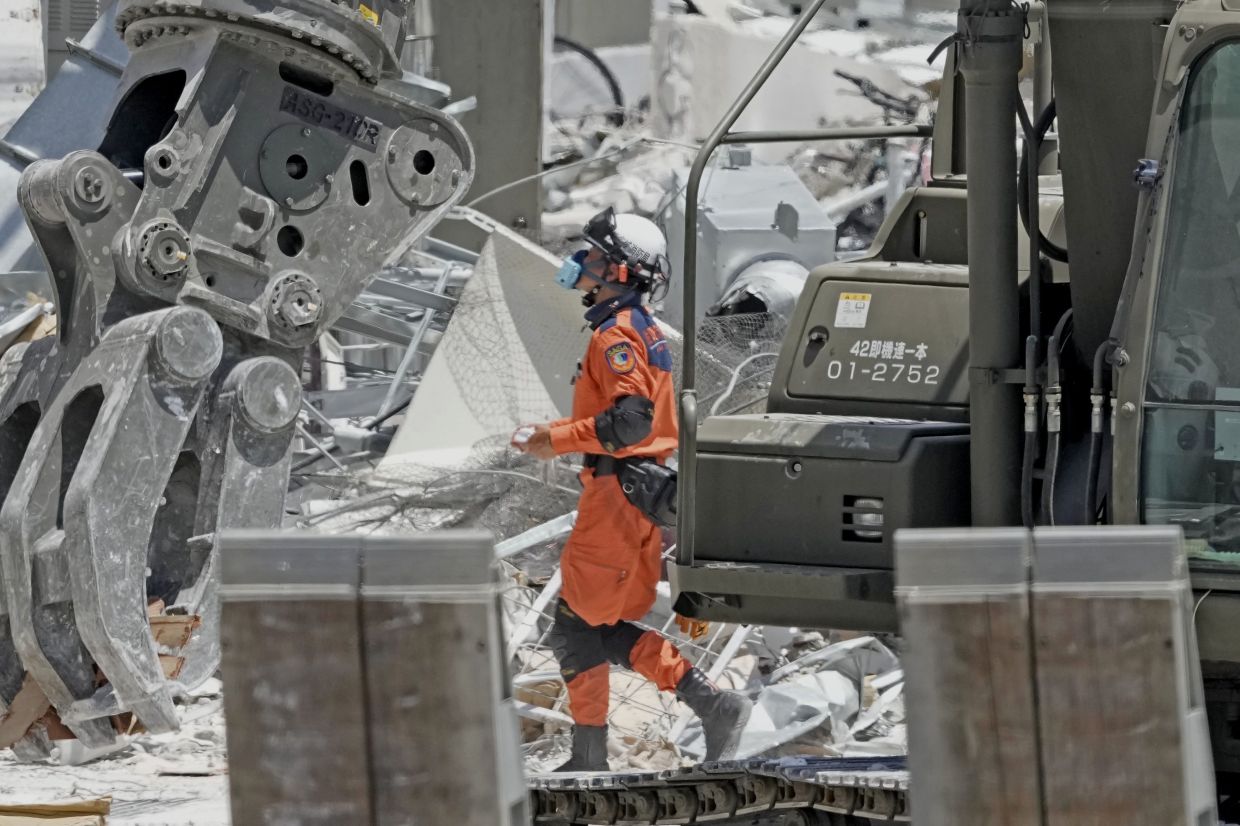
An explosion at Aeon Mall Kumamoto that resulted in three fatalities has been traced to a liquefied petroleum gas leak, according to findings announced by Japan's Economy, Trade and Industry Ministry on August 5. The blast occurred at approximately 5.50pm on July 28, roughly 80 minutes following a significant earthquake that had struck the region, and inflicted considerable damage to the central portion of the mall's second floor on its southern side.
The shopping complex relies on LPG for multiple operational purposes across its premises. Restaurants positioned on the north side of the first floor utilise the gas for cooking and water heating, while additional food court facilities on the second floor's eastern section depend on it for similar functions. The heating and air conditioning systems throughout the structure also draw from this fuel source, making LPG integral to the mall's daily operations.
The infrastructure supporting this gas distribution is substantial. A storage tank holding 9,367 kilogrammes of LPG sits on the mall's grounds, with gas flowing from this central depot through an underground pipeline network before branching into a complex system of conduits embedded within the building's floors and walls. This extensive distribution network, while necessary for serving the numerous commercial establishments within the mall, created the conditions under which accumulated gas could concentrate in particular areas.
The sequence of events leading to the disaster appears connected to the preceding earthquake. Investigators believe that the seismic activity may have compromised the integrity of sections within this piping infrastructure. The storage tank itself retained approximately its normal quantity of gas, suggesting that the leak originated not from the main reservoir but from fractures or ruptures in the distribution lines running throughout the structure. Over the 80-minute interval between the earthquake and the explosion, escaped gas accumulated within enclosed spaces, building to dangerous concentrations.
Search operations undertaken jointly by Kumamoto prefectural police and fire authorities uncovered physical evidence supporting this hypothesis. Officers and firefighters reported detecting the distinctive smell of gas whilst conducting their investigations inside the damaged structure, confirming the presence of escaped LPG within the building. This olfactory evidence provided crucial corroboration for the ministry's assessment of what had transpired.
The tragedy underscores the vulnerabilities that exist in infrastructure supporting large commercial complexes throughout Japan and elsewhere. Shopping malls of Aeon's scale typically depend on robust gas distribution systems to supply restaurants, food courts, and climate control facilities across multiple levels. While such systems are designed with safety margins and regular maintenance protocols, the investigation into this incident reveals how seismic events can interact unpredictably with infrastructure that might otherwise function reliably for years.
For Malaysian readers, the incident carries particular relevance given Southeast Asia's own seismic activity and the prevalence of similar large shopping centres throughout the region. The Kumamoto explosion demonstrates that even modern, well-maintained facilities operated by established international retailers can experience catastrophic failures when natural disasters compromise essential utility systems. Major malls across Malaysia, Singapore, and neighbouring countries employ comparable gas infrastructure to support food service operations and building systems.
The investigation into the precise cause of the leak remains ongoing, with authorities seeking to determine exactly where and how the seismic event damaged the pipeline network. Understanding these specific failure points will inform how mall operators and building regulators across the region approach the maintenance and design of similar systems. The fact that the storage tank maintained normal levels of gas indicates that the problem lay not in gross failure of primary systems but in secondary distribution components that might be presumed relatively safe.
This incident serves as a reminder of the importance of rigorous post-earthquake safety protocols in commercial buildings. Facilities that experience seismic activity should implement immediate inspections of all utility systems before resuming normal operations. In the Kumamoto case, the 80-minute interval between earthquake and explosion provided a window during which the accumulated gas could have theoretically been detected and the situation contained, had detection systems been sufficiently sensitive or manual checks sufficiently thorough.
The three workers who died in the blast were employed at retail shops within the mall, caught in the immediate vicinity of the explosion. Their deaths prompted extensive discussion in Japan regarding workplace safety standards and emergency preparedness in commercial establishments. For property developers and mall operators across Southeast Asia, the incident prompted reconsideration of how utility system failures following natural disasters could be mitigated through improved design, more frequent safety inspections, and enhanced monitoring systems.
The Aeon Corporation has cooperated fully with investigators and subsequently implemented additional safety measures at its facilities. The company's involvement highlights how even major multinational retailers with substantial resources and established safety protocols must contend with the reality that natural disasters can overwhelm existing safeguards. This has implications for how insurance, building codes, and safety standards should account for cascade failures following seismic events, particularly in structures housing multiple tenants dependent on complex utility networks.

