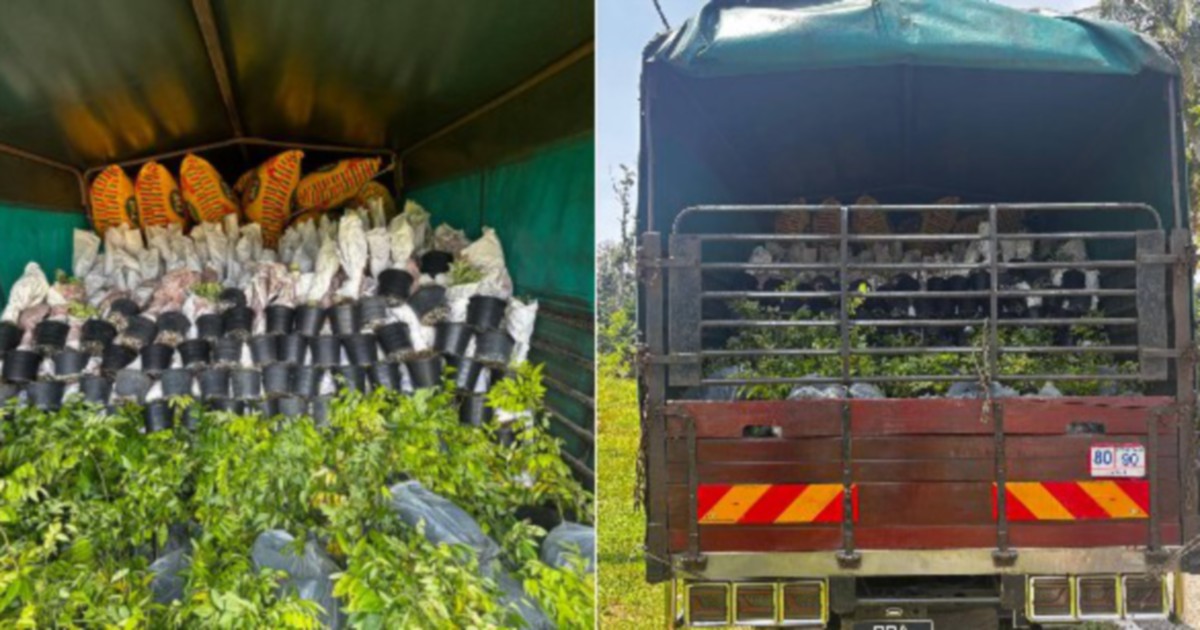
Enforcement officers conducted a successful interception at Kampung Padang Licin in Rantau Panjang, apprehending a lorry driver in connection with what is believed to be an illegal cross-border shipment of nursery stock originating from Thailand. The operation resulted in the seizure of approximately 6,000 ornamental plant saplings, collectively valued at RM200,000, representing a significant haul in the ongoing battle against contraband horticultural goods entering Malaysian territory through unofficial channels.
The incident highlights persistent vulnerabilities in Malaysia's eastern border region, where the porous nature of the Thailand-Malaysia frontier continues to present opportunities for smuggling operations. Rantau Panjang, situated in Kelantan along the northeastern boundary, has historically served as a transit point for illicit cross-border trade. The interception suggests that enforcement agencies are intensifying surveillance efforts to intercept contraband before it reaches domestic markets, though the scale of this seizure indicates the volume of illegal trafficking that likely continues undetected.
Ornamental plants constitute a significant agricultural commodity in Southeast Asia, with legitimate trade channelled through established nurseries, horticultural businesses, and retail networks. However, the lower tax burden and minimal regulatory oversight associated with smuggled plants create commercial incentives for illegal importation. Unregulated saplings bypass quarantine inspections and biosecurity protocols designed to prevent the introduction of pests, diseases, and invasive species that could damage Malaysia's agricultural sector. This enforcement action underscores the dual challenge of combating economic crime while safeguarding agricultural interests.
The detained driver faces investigation under relevant smuggling and customs legislation. The circumstances surrounding the operation—the quantity of plants and their estimated value—suggest this was a coordinated commercial venture rather than opportunistic smuggling. Authorities will likely investigate the supply chain behind this shipment, including potential connections to retail distributors, landscape contractors, or institutional buyers who may have been the intended recipients of these plants within Malaysia. Such networks typically operate with established protocols and regular smuggling schedules.
Thailand has developed substantial ornamental plant cultivation industries, particularly around horticultural hubs in northern and northeastern provinces. The price differential between legally imported Thai plants—subject to tariffs, documentation requirements, and compliance costs—and smuggled alternatives creates the economic foundation for illegal trade. For Malaysian entrepreneurs seeking to supply domestic demand for affordable ornamental stock, obtaining plants through illicit channels represents a lower-cost input that can be retailed at competitive margins while avoiding legitimate import expenses.
The biosecurity dimension of this seizure deserves particular attention within Malaysia's agricultural policy framework. Smuggled plants bypass mandatory phytosanitary certification and quarantine periods that ordinarily accompany legal imports. These plants may harbour pathogens, pests, or parasites unfamiliar to Malaysian ecosystems. Introduction of such biological agents through uncontrolled imports could pose risks to commercial agriculture, public gardens, and residential landscaping across the country. The veterinary and agricultural agencies coordinate to prevent such incursions, but enforcement pressure remains concentrated at border checkpoints rather than addressing downstream distribution networks.
For Malaysian horticulturists and legitimate nursery operators, the presence of smuggled competitors undercuts their market position. Legal importers and domestic cultivators face higher compliance costs, including licensing fees, inspection charges, and quarantine expenses. Smuggled plants arriving at retail points without these overheads enable undercutting of legitimate prices, distorting the competitive landscape. This enforcement action provides temporary relief to law-abiding businesses, though the underlying incentive structures ensuring continued smuggling attempts remain intact unless addressed through broader trade policy adjustments.
Custody of the 6,000 seized saplings raises practical and economic questions for Malaysian authorities. The plants themselves may deteriorate rapidly without proper cultivation conditions, potentially rendering them worthless within days or weeks. Disposal protocols must balance environmental considerations—many ornamental species cannot be safely destroyed without risking ecological consequences—against storage limitations and deterioration timelines. Some jurisdictions explore donation to public institutions or environmental programmes, though this requires rapid assessment and transfer procedures incompatible with extended investigative timelines.
The investigation into this case will likely examine communication records, financial transactions, and logistical documentation associated with the lorry and its driver. Authorities seek to identify whether this constitutes an isolated incident or part of a systematic smuggling operation involving multiple shipments and participants. Successful dismantling of organized smuggling networks requires tracing these connections through distribution channels and identifying commercial beneficiaries. Collaboration between Malaysian customs, police, and agricultural agencies, combined with liaison with Thai authorities, enhances investigative effectiveness and may reveal broader trafficking patterns affecting regional trade integrity.
This seizure reflects intensifying enforcement capacity at Malaysia's land borders, particularly concerning agricultural commodities. However, the substantial quantity of contraband plants successfully transported to interception points indicates that successful smuggling attempts likely exceed detected cases by significant multiples. The lorry driver's arrest represents enforcement success on a single occasion, yet the underlying demand for cheaper ornamental stock and supply capacity from Thai cultivation areas ensure continued smuggling pressure. Sustainable resolution requires addressing the economic incentives, regulatory gaps, and cross-border coordination challenges that perpetuate this illicit trade despite periodic enforcement actions.

