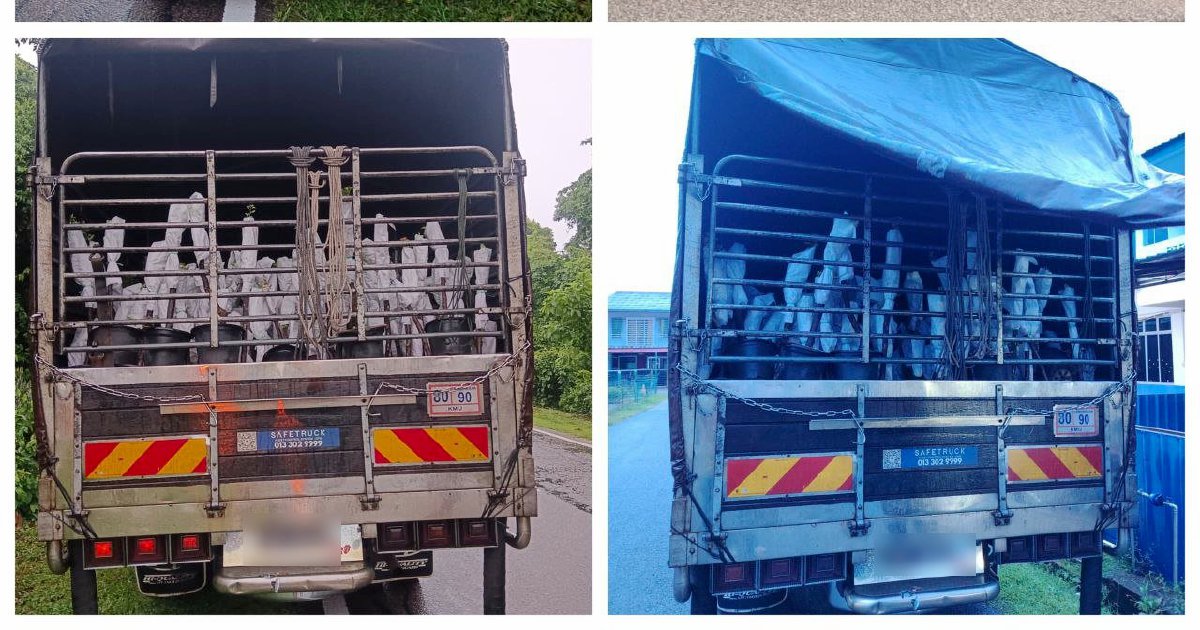
Enforcement officers conducting a border operation at Rantau Panjang arrested a lorry driver and his attendant yesterday while transporting plant saplings valued at RM85,000 that had been illicitly brought across from Thailand. The seizure represents another significant catch in an increasingly active campaign targeting the smuggling of botanical material through Malaysia's northern corridors.
The arrests underscore persistent vulnerabilities in border security arrangements, particularly along the Thailand-Malaysia frontier where the movement of contraband goods remains a chronic challenge. Rantau Panjang, strategically located in Kelantan, serves as a major crossing point for both legitimate commercial traffic and illicit operations. Authorities have intensified vigilance in recent months as networks engaged in illegal plant trafficking have grown more sophisticated in their methods and logistics.
Plant saplings constitute a significant black-market commodity across the region, driven by substantial price differentials between domestic and cross-border sources. Growers and traders operating outside regulatory frameworks can offer substantially lower prices, creating powerful economic incentives for smuggling operations. The RM85,000 valuation of this particular consignment indicates the commercial scale at which these networks operate, suggesting the arrested individuals may have been part of a larger distribution chain rather than independent operators.
The timing of the interception reflects broader enforcement efforts targeting agricultural contraband. Import restrictions on specific plant species exist for multiple reasons: biosecurity protocols designed to prevent the introduction of pests and diseases, protection of native flora, compliance with international conservation agreements, and revenue protection for legitimate domestic growers. Saplings imported without documentation bypass these safeguards entirely, potentially introducing agricultural pathogens that could devastate Malaysia's horticultural sector.
Thailand has emerged as a significant source of illicit plant imports into Malaysia, capitalizing on regulatory differences between the two nations and the permeable nature of the Kelantan border region. Thai nurseries operating within legal frameworks domestically can supply contraband networks at lower prices than Malaysian producers must maintain to cover licensing, certification, and compliance costs. This creates a structural incentive for smuggling that enforcement alone cannot wholly address without complementary trade policy interventions.
For Malaysian readers, such operations carry practical implications. Horticultural smuggling undermines the viability of legitimate nurseries and plant suppliers operating within the country, potentially affecting availability and driving up prices for consumers seeking landscaping materials and ornamental plants. Additionally, the introduction of unvetted botanical material poses environmental risks; invasive species brought through smuggling channels could establish themselves in Malaysian ecosystems, threatening native vegetation and agricultural productivity.
The case also highlights the human dimension of smuggling operations. Lorry drivers and attendants typically occupy lower positions within trafficking hierarchies, bearing disproportionate legal risk while receiving minimal compensation. These individuals frequently operate under financial pressure, with payment contingent on successful delivery rather than guaranteed wages. Understanding this dynamic is essential for developing enforcement strategies that target the organisers and financiers of smuggling networks rather than focusing exclusively on apprehending transport workers.
Enforcement agencies have intensified border operations across multiple crossing points, reflecting heightened awareness of the scale of illegal agricultural imports. The Rantau Panjang operation exemplifies this increased vigilance, though it simultaneously demonstrates that existing detection capabilities remain limited. The value of this single interception—RM85,000—suggests that successful smuggling volumes likely far exceed enforcement seizures, implying substantial ongoing losses to legitimate growers and tax revenues.
Regional cooperation between Malaysian and Thai authorities represents a potential avenue for reducing smuggling pressures at source. However, coordination challenges persist, and enforcement across international boundaries requires reciprocal commitment that can fluctuate according to diplomatic priorities. Malaysia's success in combating agricultural smuggling will ultimately depend on sustained investment in border infrastructure, regular training for detection personnel, and coordination with domestic agricultural agencies capable of identifying contraband material.
Looking forward, the apprehension of these individuals and seizure of their cargo will likely result in prosecution under customs and agricultural import regulations, carrying penalties including fines and potential imprisonment. Such cases serve as both deterrents and intelligence sources, revealing operational patterns that law enforcement can exploit to disrupt broader smuggling networks. The investigation phase following arrest typically yields valuable information about supplier connections, distribution channels, and customer bases that facilitate subsequent enforcement actions.

