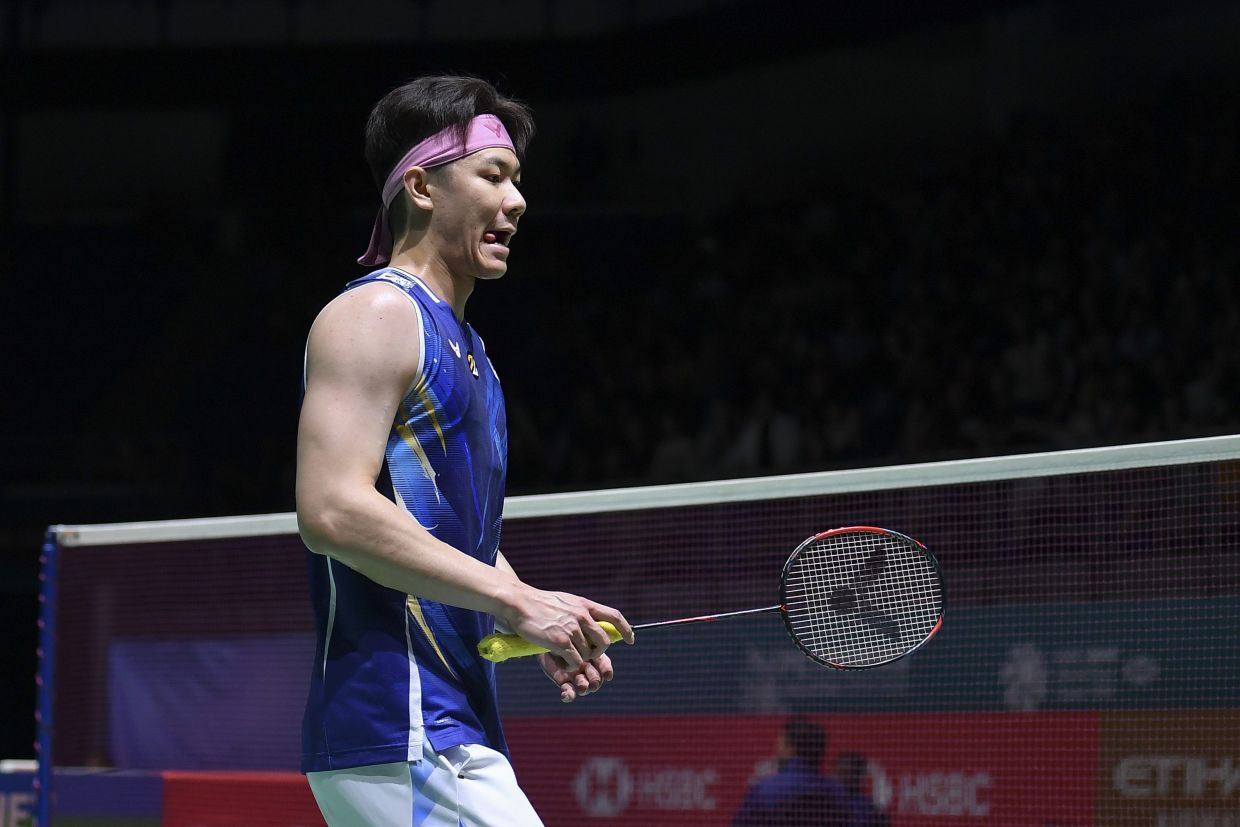
Lee Zii Jia has dismissed any speculation about retirement, declaring his unwavering commitment to badminton despite enduring what he describes as one of the most grueling periods of his professional career. The 28-year-old men's singles shuttler, who has represented Malaysia on the international stage, made the declaration through a social media post on Sunday, seeking to reassure supporters who have remained loyal during his recent struggles.
The Kedah-born player has faced a confluence of challenges over the past year that tested both his physical and mental resilience. Recurring injuries, fluctuating tournament results, and the psychological toll of underperforming have created a perfect storm that threatened to derail his competitive aspirations. Yet Zii Jia insists that stepping away from the sport has never crossed his mind, even during the darkest moments when his own confidence wavered considerably.
In his statement, Zii Jia expressed profound gratitude towards the network of friends and supporters who maintained faith in him when his own self-belief had eroded. He acknowledged the paradox of receiving encouragement during periods when he himself struggled to accept his current form, describing moments when he grew disconnected from his own identity as an athlete. This candid admission reveals the psychological dimension of athletic struggles that often remain hidden from public view, exposing the vulnerability beneath the competitive exterior.
Central to Zii Jia's message is a philosophical reframing of what it means to deserve support and encouragement. Rather than viewing continued backing as contingent solely on competitive victories, he articulated a vision where perseverance and determination in the face of adversity constitute their own form of achievement worthy of recognition. This perspective carries particular resonance for Malaysian sports fans accustomed to celebrating triumph, yet increasingly understanding the value of resilience.
The player's journey since departing from Malaysia's national badminton infrastructure in 2022 has been marked by increasing autonomy over his career trajectory. Zii Jia indicated that this transition forced him to confront uncomfortable truths about his professional environment and personal agency. Rather than remaining passive within a system he felt constrained by, he chose to advocate for himself, fighting for what he perceived as essential to his wellbeing and sporting development, including the freedom to make independent decisions about his career path.
Zii Jia's recent trajectory shows cautious signs of recovery. His performance at the Canadian Open represented his strongest tournament showing of the year, reaching the semi-final stage before succumbing to Japan's Koki Watanabe. While the result fell short of victory, the depth of his run suggests that the technical and tactical components of his game remain functional, even as consistency has eluded him. This glimmer of improvement provides tangible evidence supporting his determination to persevere.
Looking ahead, Zii Jia faces a demanding tournament schedule designed to facilitate his continued development. The Taiwan Open, scheduled for late July through early August, will provide an immediate opportunity to build momentum. This will be followed closely by the Korean Masters, offering consecutive weeks of competitive exposure. These tournaments represent critical junctures where he can either substantiate his claims of renewed commitment or face further disappointment that could genuinely test his resolve.
For Malaysian badminton enthusiasts, Zii Jia's struggle carries broader implications beyond individual sporting achievement. The country's men's singles contingent has long occupied an important position within the regional and global competitive landscape. Having produced Olympic medallists and world-class competitors, Malaysia's stake in the development and resurgence of its male singles players extends beyond personal glory. Zii Jia's rehabilitation thus becomes emblematic of the sport's capacity to recover from setbacks.
The mental health dimensions of Zii Jia's experience merit particular attention within Malaysian sports discourse. His willingness to articulate feelings of self-doubt, isolation, and the eventual decision to seek support represent important contributions to ongoing conversations about athlete wellbeing. In a sporting culture that historically emphasized stoicism and unflinching determination, his vulnerability models an alternative approach where acknowledging struggle becomes a strength rather than a weakness.
Zii Jia's commitment also reflects deeper truths about athletic ambition across Southeast Asia, where talented players often navigate complex relationships between national systems, international expectations, and personal aspirations. His assertion that he must control his own destiny and accept responsibility for outcomes speaks to an emerging generational consciousness among athletes who refuse to be passive participants in their own narratives. This shift carries implications for how national sporting bodies engage with elite competitors going forward.

