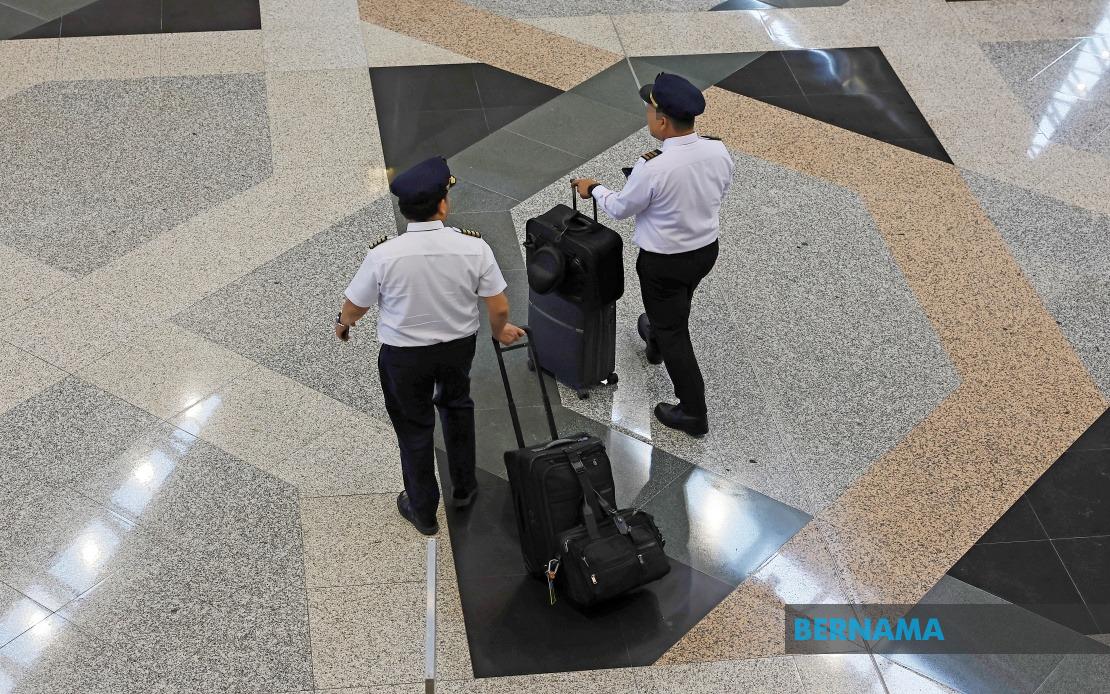
Tan Sri Lee Lam Thye, chairman of the Alliance For A Safe Community, has pressed authorities to conduct a thorough examination of security protocols at Kuala Lumpur International Airport in response to the detention of a Malaysian pilot accused of attempting to smuggle narcotics through Jakarta's airport. The 39-year-old pilot was apprehended by Indonesian officials at Terminal 3 of Soekarno-Hatta International Airport after being suspected of carrying approximately 25 kilogrammes of drugs, an incident that has sparked serious questions about the effectiveness of screening measures at Malaysia's premier aviation hub.
While acknowledging the legal principle that the accused remains innocent until the courts determine otherwise, Lee underscored that this case exposes potential vulnerabilities in the security infrastructure designed to protect Malaysia's international airports. The circumstances surrounding the pilot's ability to board an aircraft without detection of the alleged narcotics represent a significant concern for aviation authorities and the broader travelling public, particularly given the reputational and operational consequences such incidents can carry.
Lee articulated a fundamental challenge at the heart of airport security: the mechanism by which a trained airline professional, someone with legitimate access to secure areas and expected to uphold high standards of conduct, managed to evade detection. His statement questioned whether existing screening procedures at KLIA functioned as intended or whether systemic weaknesses allowed a breach to occur. This distinction is crucial because it determines whether the incident represents an isolated failure or symptoms of deeper structural problems requiring institutional reform.
The safety advocate specifically called upon a coalition of enforcement and regulatory bodies—including airport security operators, national police forces, and the Civil Aviation Authority—to collectively examine and strengthen existing protocols. His appeal was particularly targeted at screening procedures affecting airport employees and flight crew, categories of individuals who often benefit from expedited processing due to their frequent movement through security checkpoints. Lee's emphasis on ensuring that no individual, regardless of professional status or seniority, remains exempt from rigorous security verification reflects international best practices that many modern airports have adopted in response to evolving security threats.
The timing and nature of this case carries particular significance for Southeast Asian aviation, where passenger volumes have grown substantially over the past decade and cross-border movement has intensified. Malaysia's position as a regional aviation hub means that security lapses at KLIA can have ripple effects across neighbouring countries' airports and airline operations. Indonesian authorities' detection of the contraband, rather than Malaysian screening systems, raises uncomfortable questions about the comparative robustness of different nations' security measures and potentially damages Malaysia's standing as a secure transit point for international passengers and cargo.
Lee emphasised that maintaining public confidence in Malaysia's aviation security framework represents not merely a technical or administrative matter but a strategic national interest. Travellers making decisions about which airports to use, airlines selecting hub cities for operations, and cargo handlers evaluating routing options all factor security reputation into their calculations. A single high-profile incident, especially one involving a professional insider, can undermine years of security investment and marketing efforts promoting Malaysia as a safe aviation destination.
The consistency with which security measures are applied emerged as another central concern in Lee's statement. Unequal enforcement—where certain categories of workers or passengers receive less stringent screening than others—creates both actual and perceived vulnerabilities. Such disparities can also foster resentment among workers who face intensive checks while colleagues receive preferential treatment, potentially compromising morale and institutional cohesion within security organisations. Lee's call for uniform application of screening standards without exception reflects recognition that security effectiveness depends as much on perceived fairness and consistent implementation as on the sophistication of the technology and procedures themselves.
The incident also illuminates the complex relationship between airport security responsibilities in Malaysia, where multiple stakeholders hold jurisdiction over different aspects of the screening process. Airport operators manage the facilities and coordinate between various agencies, police forces investigate criminal matters, aviation authorities establish and monitor compliance with international standards, and intelligence agencies work to identify emerging threats. Effective response to this incident requires coordination across these bodies to identify whether communication failures, unclear protocols, or inadequate resource allocation contributed to the alleged breach.
Lee's intervention carries weight given his established credibility as a community safety advocate and his capacity to maintain public pressure on implementation. The Alliance For A Safe Community's involvement suggests this issue will likely remain in public discourse beyond initial news cycles, potentially forcing authorities to provide regular updates on their review findings and remedial actions. This ongoing scrutiny can serve as a constructive mechanism to ensure that recommendations are not merely announced but genuinely implemented and monitored for effectiveness.
The case also raises broader questions about the recruitment and vetting of aviation personnel in Malaysia. If the arrested pilot successfully passed initial background checks and periodic security assessments, it raises uncomfortable questions about what those processes actually measure and whether they capture relevant risk indicators. The review Lee advocates will likely examine not only operational screening procedures but also the upstream hiring and credentialing systems that determine which individuals gain access to secure areas in the first place.
Moving forward, Malaysian aviation authorities face the challenge of balancing enhanced security measures with operational efficiency and employee welfare. Security screening adds time and cost to airport operations, and excessive measures can create bottlenecks that harm commercial viability. The review process will need to identify targeted improvements that address the specific vulnerabilities revealed by this incident without imposing blanket restrictions that might be disproportionate or counterproductive.
The international dimensions of this case warrant attention as well. Malaysian authorities will likely coordinate with Indonesian counterparts and international aviation security bodies to ensure that any systemic improvements incorporate lessons learned from this incident. Such cooperation strengthens the collective security of regional aviation and ensures that gaps in one country's systems do not simply redirect risk to neighbouring jurisdictions.

