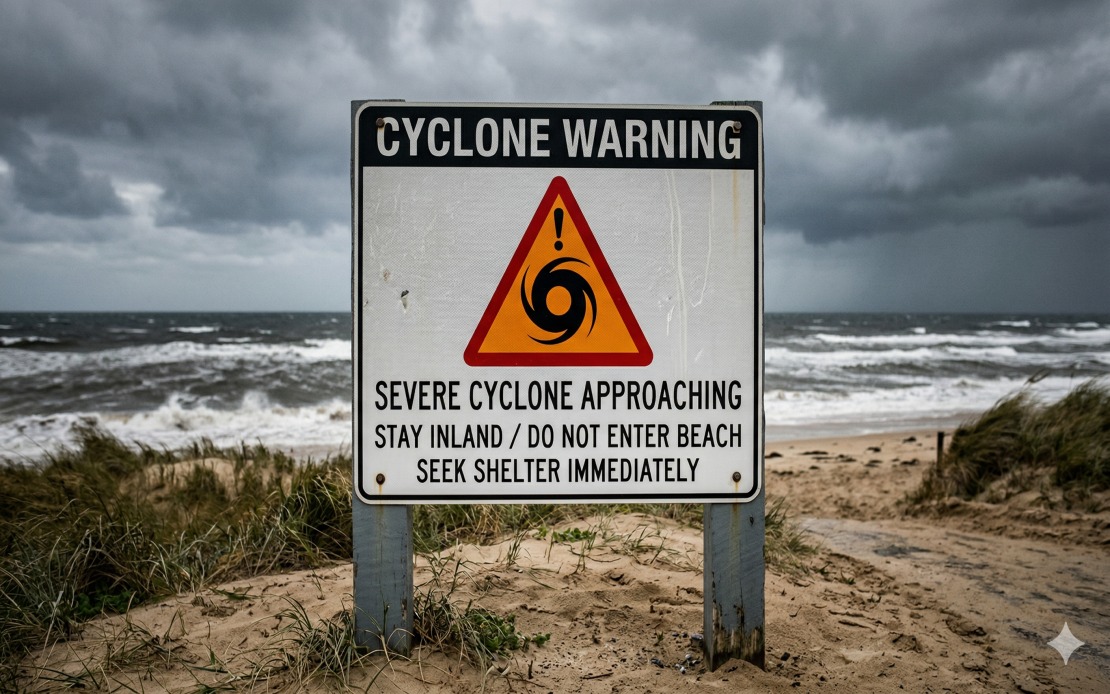
Latvia has activated its maximum-level weather warning for portions of the country as meteorologists track a significant cyclonic system moving toward the Baltic nation, with conditions expected to deteriorate dramatically from Saturday morning through Sunday. The Latvian Environment, Geology and Meteorology Centre declared the red alert specifically for central regions encompassing Riga and Jelgava, flagging an exceptionally dangerous combination of intense precipitation and gale-force winds that pose multiple threats to critical infrastructure and public safety.
The alert period spans from 8 am Saturday until 1 am Sunday, though forecasters caution that the precise geographic scope may shift as updated models become available throughout the event. This uncertainty reflects the inherent challenges in predicting cyclone tracks with complete accuracy, particularly when multiple weather systems interact over densely populated regions. Residents and authorities across the warning zone are treating the advisory as credible and imminent, given the established severity threshold that triggers red-level designations in Latvia's meteorological classification system.
Meteorological officials warn that the torrential rainfall expected during this window could overwhelm drainage systems and natural watercourses, creating conditions for widespread inundation across residential neighbourhoods, roadways, agricultural land, and private properties. The combination of saturated ground conditions and concentrated rainfall in a compressed timeframe substantially elevates flood risk beyond what isolated heavy rain events would normally produce. Particular concern centres on lower-lying areas and drainage basins where water accumulation occurs most readily, though the scope of potential flooding could extend broadly given the cyclone's forecast intensity.
Road infrastructure faces significant vulnerability, with authorities predicting that thoroughfares could become impassable as water depths increase and debris accumulates. The disruption to transportation networks carries cascading consequences for supply chains, emergency response capabilities, and routine commerce. Regional connectivity through both primary and secondary road systems could be severely compromised, potentially isolating some communities and delaying critical goods movement.
Beyond flooding, the storm's destructive wind field poses acute risks to electrical and telecommunications infrastructure. Power distribution networks throughout the region face potential failure as trees and branches succumb to extreme gusts, creating fallen obstacles that damage overhead lines and transformers. Extended power outages could affect hospitals, water treatment facilities, and other essential services that depend on continuous electrical supply. Similarly, telecommunications networks may experience degradation or temporary collapse as weather conditions physically damage equipment and environmental factors interfere with signal transmission.
Latvia's State Fire and Rescue Service has issued explicit guidance urging the public to minimize outdoor activity during the warning period, secure any portable objects that could become airborne projectiles, and ensure mobile devices are fully charged before the storm arrives. This preparation advice reflects institutional recognition that power interruptions will likely render conventional charging infrastructure unavailable for extended periods. The service's recommendations represent standard pre-storm protocols designed to reduce injury risk and maintain communication capacity during the event itself.
The severity of forecast conditions has prompted cancellation of multiple outdoor events scheduled across Latvia for the weekend. Event organizers and public authorities made these decisions based on meteorological guidance and risk assessment, prioritizing public safety over economic and social activities. The cascade of cancellations underscores how seriously forecasters and officials regard the impending weather threat, as Latvian society generally maintains high confidence in its meteorological institutions.
Estonia, Latvia's northern neighbour, faces comparable threats from the same cyclonic system. The Estonian Environment Agency has issued parallel warnings of heavy precipitation and powerful winds affecting the entire country over the same timeframe. Elektrilevi, Estonia's primary electricity distribution operator, has specifically flagged the risk of arboreal damage causing power failures across its service territory. The regional extent of this weather event highlights the broad geographic scope of the cyclone, affecting multiple Baltic nations simultaneously and necessitating coordinated emergency management across borders.
For Malaysian readers observing Baltic weather developments, this episode illustrates how even developed nations with advanced meteorological infrastructure and emergency management capabilities face significant disruption from extreme weather events. The infrastructure vulnerabilities exposed by this cyclone—particularly regarding power systems and transportation networks—reflect challenges common across temperate regions. Southeast Asia's tropical monsoon patterns present different meteorological characteristics, yet comparable risks emerge from typhoons and intense monsoon depressions that can similarly overwhelm drainage, electrical, and transport systems. The Latvian case demonstrates the importance of proactive public communication, pre-event preparation protocols, and realistic assessment of infrastructure fragility when confronted by severe atmospheric phenomena.
The cyclone's timing during late August carries seasonal significance for the Baltic region's agricultural sector, potentially affecting harvest schedules and outdoor work during what is typically a critical period for regional farming operations. Crop damage, field waterlogging, and supply chain delays could create economic consequences extending beyond the immediate weather event itself. These agricultural implications underscore how meteorological hazards translate into broader economic and food security dimensions, particularly in regions with significant primary production sectors.

