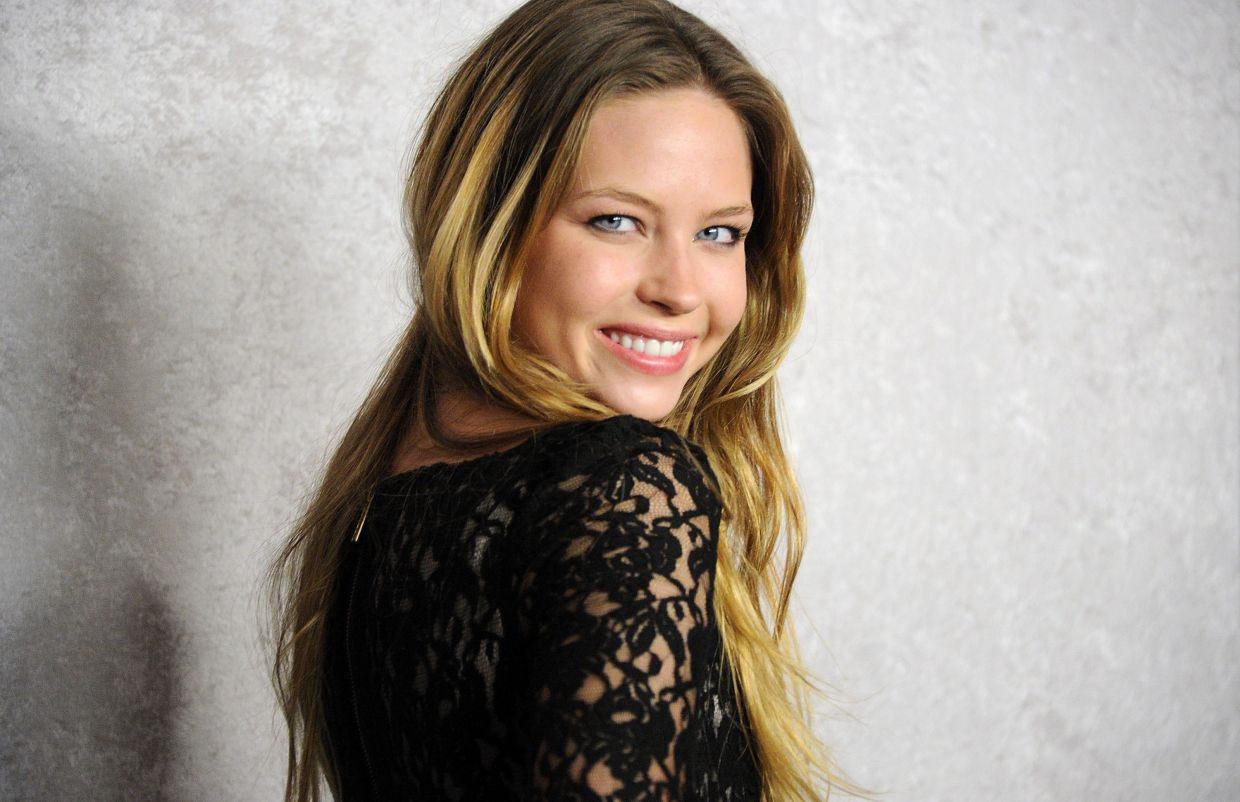
Daveigh Chase, the accomplished voice actress known for bringing Disney's mischievous character Lilo to life, left behind a considerable RM1.6 million estate, court documents reveal—a starkly different reality from the homelessness her family disclosed at the time of her passing. The probate filing presents a poignant paradox: a former child star whose career had spiralled into obscurity possessed substantial financial assets, yet reportedly spent her final days living on the streets near the Los Angeles hospital where she would eventually die.
Chase's mother, Cathy Chase, filed a petition with Los Angeles Superior Court earlier this month seeking formal appointment as administrator of her daughter's estate, according to probate records made public. The filing indicates the magnitude of assets left behind, though the circumstances surrounding how they accumulated remain unclear given Chase's documented struggles and withdrawal from public life. A probate hearing has been scheduled for August 12, where the court will determine whether to grant Cathy's request and oversee the orderly distribution of the estate.
In preparation for the administration process, Cathy Chase has requested that the court approve a US$400,000 bond, a standard requirement designed to protect beneficiaries and creditors during estate settlement. This bond amount underscores the complexity and value of the assets involved, suggesting there are multiple claims or interests that the court will need to safeguard during the probate process. The formal legal machinery is now set in motion to untangle the financial dimensions of Chase's life and determine the proper distribution of her wealth.
Chase died on June 16 at a Los Angeles hospital at the age of 35, bringing to an end a life marked by early fame followed by decades of personal struggle and professional decline. Her father disclosed to reporters in the immediate aftermath of her death that she had been living on the streets prior to her hospitalisation, residing in the same general vicinity as the medical facility where her life ultimately ended. This revelation shocked those familiar with her career, illustrating the dramatic fall from grace that had overtaken the once-celebrated performer.
According to findings from the Los Angeles medical examiner, Chase died of acquired immunodeficiency syndrome, or AIDS, with the examiner's report listing mixed drug use as a contributing factor to her death. The dual listing reflects the complex health challenges that had beset Chase in her final years, suggesting a convergence of medical and substance-related issues that ultimately proved fatal. These findings provide clinical context for understanding the circumstances that led to her homelessness and her ultimate demise.
Chase's trajectory in entertainment was meteoric in its early phases. As a child performer, she achieved significant recognition through her voice work on Disney's animated film Lilo & Stitch, a role that became her defining credit and ensured her name would be remembered in popular culture. The character resonated with audiences worldwide, and the film's commercial and critical success seemed to position her for a sustained career in the entertainment industry.
However, her presence in the spotlight dimmed considerably as she matured into adulthood. By 2016, Chase had largely withdrawn from the entertainment profession, with that year marking her final credited film roles. She abandoned acting altogether around that same time, a decision that signalled an effective end to her professional career just as she should have been entering her prime years as an adult performer. The reasons for this departure from the industry were never fully elaborated in public discourse, but the timing coincided with broader changes in her life circumstances.
In 2017, approximately a year after her final acting work, Chase encountered legal difficulties when she was arrested in connection with allegations that she had fled a scene and abandoned a dying man outside a hospital. Police clarified that Chase was not suspected of involvement in the man's death itself, but rather that she was wanted on an outstanding warrant at the time of the incident. This arrest marked another unfortunate chapter in her declining fortunes and further illustrated the deepening crisis in her personal life.
The disparity between Chase's substantial estate and her documented homelessness raises important questions about asset management, family dynamics, and the support systems—or lack thereof—available to troubled individuals. Whether the assets accumulated during her early career years and were subsequently left untouched, or whether other factors contributed to their preservation, remains unexplained by currently available information. The probate process may eventually shed light on these circumstances as the court reviews financial records and estate documentation.
Chase's story resonates beyond her individual tragedy, serving as a cautionary narrative about the vulnerabilities of child performers and the precarious nature of careers built on early success in entertainment. Many former child stars have struggled with the transition to adulthood, the loss of relevance, substance abuse, and psychological difficulties stemming from their unusual childhoods. Chase's case underscores how swiftly fortunes can change and how an impressive asset base does not necessarily insulate someone from homelessness or health crises.
For Malaysian audiences and Southeast Asian observers, Chase's story offers a sobering reminder about the hidden struggles of public figures and the sometimes-invisible poverty that can coexist with material wealth. The legal proceedings unfolding in Los Angeles serve as a window into how American probate law functions and how families navigate the complex process of settling an estate. As the August 12 hearing approaches, the resolution of Cathy Chase's petition will determine how her daughter's accumulated wealth is managed and distributed in accordance with applicable law.

