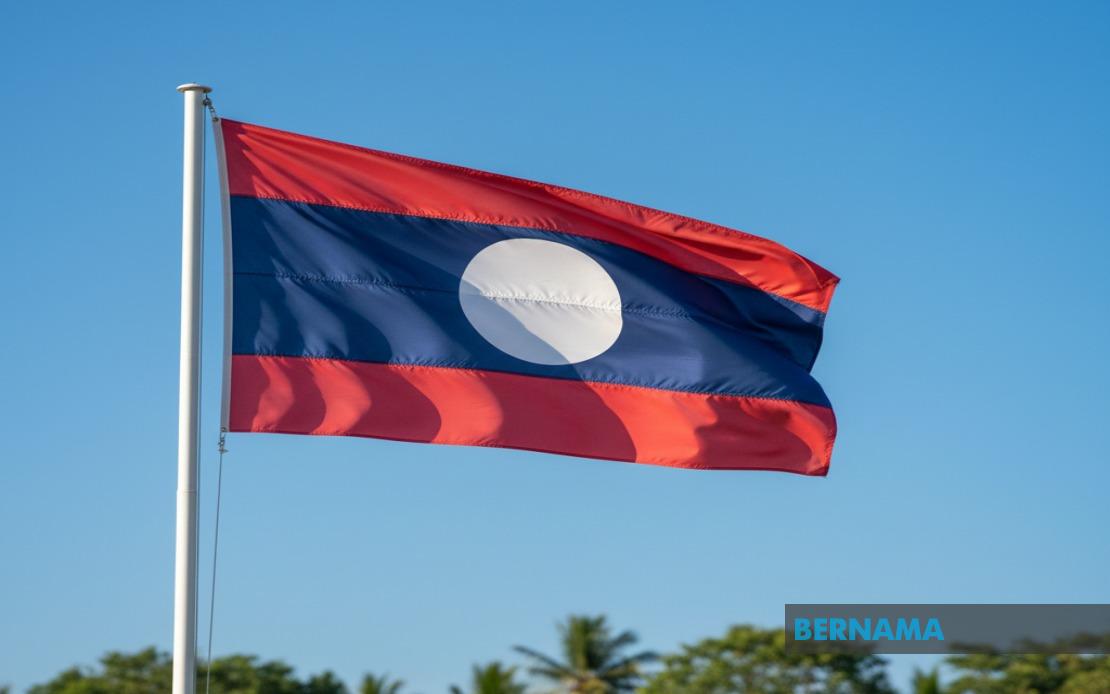
Laos has embarked on a significant media sector overhaul following the country's first National Media Congress, held this week in the capital Vientiane. The three-day gathering brought together senior government officials, media executives, editors, journalists, and communications specialists to forge a modernisation pathway aimed at elevating the industry's standards and impact across the Southeast Asian nation.
The congress, organised under the banner "Strengthening Party Leadership and Developing the Media Toward a New Level of Quality," served as a platform for stakeholders to assess the media landscape's current state and chart a course for improvement. Khamphan Pheuyavong, heading the Commission for Information and Education, delivered a closing summary noting that the congress achieved its central objectives by reviewing historical progress, identifying contemporary obstacles, and establishing concrete measures to boost media quality and operational effectiveness.
President Thongloun Sisoulith used the closing ceremony to articulate a five-point agenda for media sector strengthening. His remarks reflected a nuanced approach to modernisation that balances institutional guidance with professional autonomy, and traditional values with contemporary journalism demands. The president's framework suggests that Laos views media development not merely as a technical or operational matter, but as integral to national development priorities.
The first pillar of the presidential agenda emphasises unity and cooperation among media organisations. Thongloun advocated for enhanced collaboration through mutual learning mechanisms and deeper comprehension of the rapidly shifting information environment. Significantly, he distinguished between constructive criticism—viewed as beneficial to media development—and unethical attacks, indicating an expectation that media organisations will self-regulate while engaging with legitimate scrutiny. This formulation attempts to create space for professional debate while maintaining editorial standards.
The second priority focuses on cultural preservation through media practice. Media professionals are urged to embed traditional Lao values—humility, generosity, and respect—into their reporting and communications work whilst actively rejecting vulgarity, dishonesty, and self-serving narratives. This cultural dimension reflects broader Southeast Asian concerns about media's role in maintaining social cohesion and national identity amid globalisation pressures, particularly relevant for a small nation navigating external information flows.
Defending truth and justice constitutes the third element. The president stressed that responsible reporting forms the cornerstone of public confidence in media institutions. By extension, media organisations must actively counter misinformation and maintain ethical standards that preserve audience trust. For a region where disinformation campaigns pose increasing challenges, Laos's explicit emphasis on this point signals recognition of media's vulnerability to manipulation and its potential consequences for social stability.
Thongloun's fourth priority addresses the relationship between political leadership and media institutions. He called on Party and state agencies to furnish stronger guidance, support, and constructive assistance to media organisations. This framing acknowledges that without institutional backing—whether through training resources, infrastructure investment, or policy clarity—media modernisation cannot succeed. It suggests the government intends to play an enabling rather than purely directive role, though the boundary between these functions remains contested in practice.
The final priority emphasises continuous professional development. Media professionals are encouraged to upgrade technical skills, embrace technological innovation, and adapt their practices to evolving circumstances. This reflects global best practices in journalism development and recognition that Lao media must compete in an information ecosystem where speed, accuracy, and multimedia proficiency are standard expectations. Investment in professional capacity directly impacts content quality and audience engagement.
Laos's inaugural National Media Congress arrives at a moment when regional governments are intensifying efforts to shape their media landscapes. The congress format itself—bringing together diverse stakeholders under centralised coordination—reflects a deliberate strategy to align media sector development with national objectives. For Malaysia and other ASEAN nations, Laos's approach offers instructive parallels regarding how governments navigate the tension between supporting media development and maintaining political influence over information flows.
The modernisation roadmap adopted at the congress will likely inform media policy and investment decisions in coming years. Success will depend on translating presidential priorities into concrete programmes—such as journalism training initiatives, infrastructure upgrades, and regulatory frameworks that support professional standards. The emphasis on unity among media organisations suggests the government may be exploring industry coordination mechanisms, potentially including professional associations or editorial councils.
The congress also signals Laos's commitment to professionalising its media workforce at a time when the country is integrating further into regional economic and political structures. Enhanced media quality and credibility strengthen Laos's capacity to communicate nationally and internationally, which carries implications for its position within ASEAN and its engagement with major powers. A more professionally sophisticated media sector can better serve the information needs of citizens whilst strengthening institutional legitimacy.
Looking ahead, implementation will test the government's commitment to the modernisation agenda outlined at the congress. Creating enabling conditions for media development—adequate resources, professional autonomy, and clear regulatory frameworks—requires sustained political will and institutional coordination. The congress represents an important declaratory moment, but the real work of media sector transformation lies in execution and the degree to which stated principles translate into changed practice across Laos's diverse media landscape.

