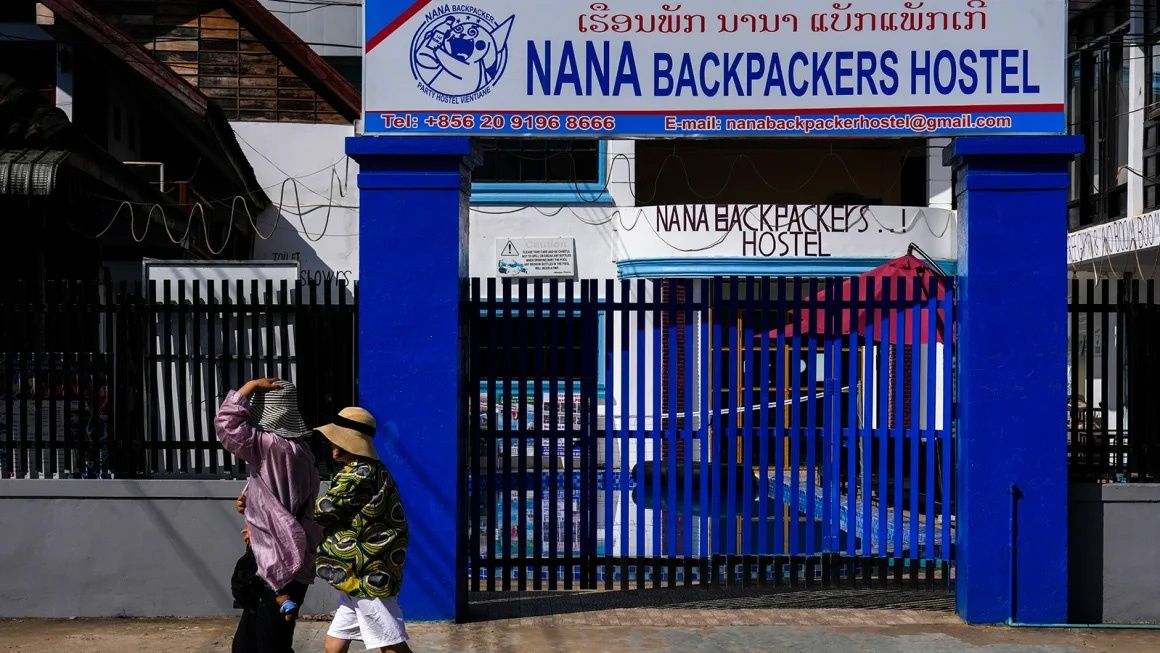
A court in Laos has formally charged a distillery owner over the poisoning deaths of six foreign tourists at a backpacker hostel in Vang Vieng last November, though authorities have opted to pursue only minor charges that could result in a sentence of three months to four years imprisonment plus fines if convicted. The decision to level charges of selling harmful food and operating an unlicensed business has ignited widespread criticism from the victims' families and multiple governments, who view the charges as grossly inadequate given the circumstances and scale of the tragedy.
Among those killed were Danish nationals Anne-Sofie Orkild Coyman, 20, and Freja Vennervald Sorensen, 21, alongside Australian teenagers Bianca Jones and Holly Morton-Bowles, both 19, British lawyer Simone White, 28, and American citizen James Louis Hutson, 57. The victims had consumed contaminated Laotian vodka while staying at the Nana Backpacker Hostel, with some reportedly accepting complimentary shots before venturing out to other establishments. When the Australian pair failed to return as scheduled, they were discovered ill and subsequently transported to hospitals in Thailand, where they ultimately succumbed to methanol poisoning.
Danmark's foreign ministry acknowledged Friday that while the case formally remains open for 15 years and authorities could theoretically escalate charges to more serious offences such as negligent homicide if sufficient evidence emerges, the current indictment falls far short of reflecting the gravity of what occurred. Foreign Minister Lars Løkke Rasmussen expressed profound disappointment at the mismatch between the charges and the severity of the incident, noting the emotional toll on multiple families across different nations. He conceded that securing sufficient proof for the most serious charges can prove challenging in such cases, yet stressed the difficulty of accepting such a comparatively lenient indictment.
The Australian government responded with particular vehemence, with families of the deceased teenagers holding a news conference to publicly denounce the anticipated charges before they were officially announced. Bianca Jones' mother, Michelle, articulated the anguish felt by those left behind, remarking that the minimal charges suggested their children's lives held little value. She emphasised that the teenagers were engaged in an ordinary coming-of-age journey when they attended the hostel, making the legal outcome feel fundamentally unjust. Australian Foreign Minister Penny Wong declared herself deeply frustrated and bitterly disappointed, announcing that Canberra had dispatched an envoy to Vientiane to register formal objections and demand a more rigorous investigation capable of delivering genuine justice.
The families of the Danish victims have expressed particular anguish regarding the investigative process itself. Parents of Vennervald Sorensen reported feeling kept in the dark throughout proceedings, revealing that no autopsy was conducted on their daughter and that her death certificate attributed her demise to the natural cause of cardiac arrest rather than methanol poisoning. They emphasised that their daughter had exercised caution throughout her travels and expressed shock at discovering how easily methanol poisoning could occur, pledging to help raise public awareness of this danger. Such discoveries raise serious questions about the thoroughness and transparency of the investigation conducted by Laotian authorities.
Methanol contamination presents a persistent public health crisis across the developing world, affecting not merely tourists but disproportionately impacting local populations in regions where genuine alcoholic beverages remain economically inaccessible and illicit production flourishes. Medical assistance organisation Doctors Without Borders has documented that Indonesia, India and Russia report the highest concentrations of suspected methanol poisoning cases globally. The substance typically enters the supply chain through two primary mechanisms: unscrupulous bar operators deliberately adulterate mixed drinks with cheaper methanol as a substitute for ethanol, or methanol emerges as a byproduct of poorly executed home distillation processes that subsequently contaminate commercial beverages either intentionally or through negligence.
Vang Vieng occupies a particularly prominent position within Southeast Asia's backpacking circuit, drawing thousands of young international travellers annually who seek recreational activities and adventure sports alongside the nightlife scene. The town's accessibility and reputation have transformed it into a major economic generator for this impoverished nation, yet the incident has sparked serious concerns among prospective visitors regarding safety standards and the apparent willingness of authorities to address negligence inadequately. Shaun Bowles, father of Holly Morton-Bowles, articulated this anxiety, suggesting that the lenient legal response would likely deter young Australian and international travellers from visiting Laos, as the authorities' conduct and apparent devaluation of tourist lives would naturally prompt reconsideration of travel plans.
Laos, as a landlocked communist state maintaining strict centralised control over information flows, has demonstrated limited transparency throughout this process. The ministry of public security announced the charges at a restricted briefing accessible only to local media and foreign embassies, declining requests from international news organisations to provide independent coverage. Cars bearing Australian and British diplomatic insignia were observed departing the ministry building following Friday's announcement, indicating the diplomatic engagement that has characterised international response. Such restricted information management has prevented independent verification of key investigative details and raises questions about whether the charges reflect a genuine assessment of culpability or represent political convenience for authorities seeking to contain an internationally embarrassing incident.
Danmark and Australia have coordinated their responses, with Copenhagen committing to work alongside affected families and other concerned nations to determine appropriate next steps. This international dimension underscores how individual criminal negligence within an impoverished Southeast Asian nation can escalate into a significant diplomatic incident when multiple wealthy Western governments perceive inadequate accountability. The decision to pursue only minor charges rather than serious negligence-related offences suggests either insufficient evidence or institutional reluctance within the Laotian justice system to hold powerful business operators meaningfully accountable for deaths caused through documented recklessness. Whether supplementary charges will eventually materialise remains uncertain, though the families' determination to pursue justice and their governments' visible frustration suggest this matter will not fade quietly from international attention despite authorities' apparent preference for swift closure.

