The introduction of a government-operated sea ambulance service in Langkawi represents a significant breakthrough for residents who have grappled with medical transport challenges for years. Set to commence operations in early 2025, the initiative has generated considerable optimism across the island community, where access to emergency healthcare has long been constrained by geographical isolation and limited transport infrastructure.
The Malaysian government's commitment to this project underscores growing recognition of the unique healthcare vulnerabilities facing island communities. Finance Minister II Datuk Seri Amir Hamzah Azizan confirmed that the Ministry of Finance has earmarked RM5.5 million specifically for acquiring the sea ambulance vessel and financing its initial operational establishment. This financial commitment reflects the government's acknowledgment that existing transport mechanisms have proven inadequate for managing medical emergencies requiring rapid transfers to mainland medical facilities.
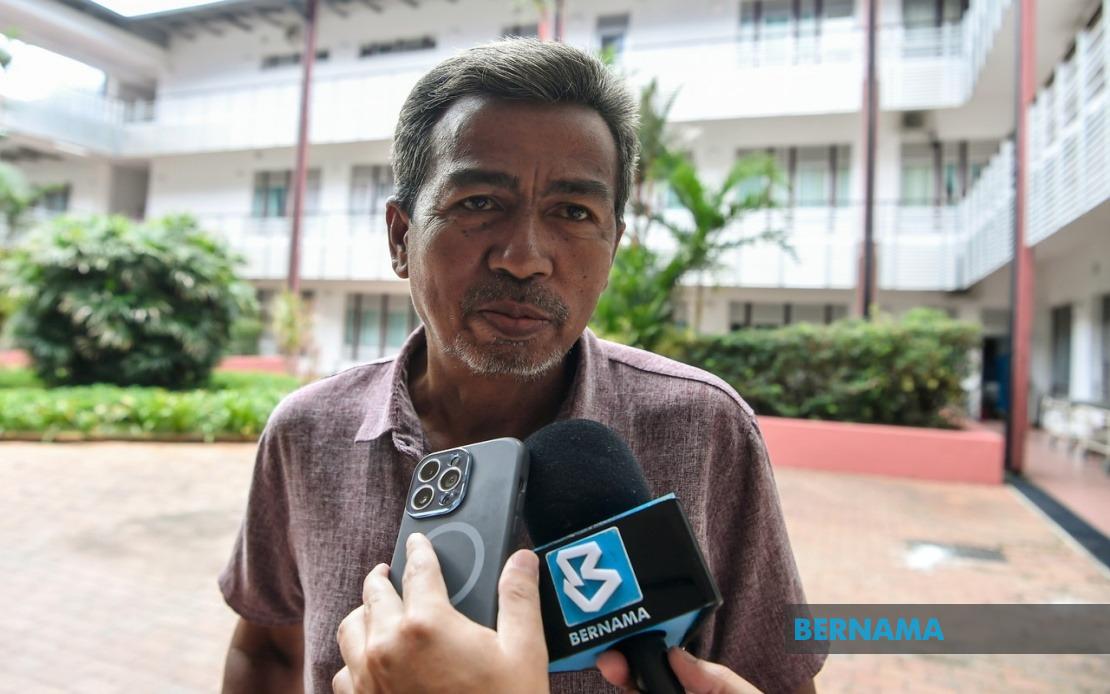
For Langkawi's business community, the service addresses a persistent operational headache. Yusuf Zakaria, chairman of the Langkawi Small Traders Association, has openly endorsed the development, distinguishing between the government-operated ambulance and the existing non-governmental water ambulance service. While grateful for current alternatives, Zakaria emphasised that a state-run operation would ensure standardised procedures, professional coordination, and passenger safety protocols that provide greater accountability and reliability than informal arrangements.
The practical difficulties faced by island residents have been substantial and multifaceted. Muhamad Hafiz Abdul Jalil, a local contractor, articulated how patients needing urgent treatment have previously depended on ferry services—a problematic workaround for medical emergencies. Ferry operations, designed for passenger transport rather than medical care, lack appropriate facilities for patients in critical condition, complicating what should be straightforward emergency response. The new dedicated ambulance service will eliminate this inefficiency by providing purpose-built, equipped transportation optimised for medical emergencies.
Trader Masri Ahmad highlighted another critical dimension: the temporal vulnerability affecting Langkawi residents during nighttime hours when ferry services cease operations. Medical emergencies follow no schedule, and the island's current transport infrastructure effectively abandons residents requiring urgent care during evening and early morning periods. This service gap has forced some families to contemplate preventive measures or maintain expensive contingency arrangements. The sea ambulance's round-the-clock availability will substantially mitigate these risks, providing continuous coverage regardless of time.
The economic significance of this development extends beyond resident welfare to encompass the island's crucial tourism sector. Langkawi attracts substantial international visitor numbers annually, and healthcare infrastructure reliability directly influences destination attractiveness. Tourists experiencing medical emergencies currently faced similar transport constraints as residents, potentially damaging Langkawi's reputation as a safe, well-serviced holiday destination. By establishing dedicated emergency medical transport, the government enhances visitor confidence while simultaneously reducing liability exposure for tourism operators and hospitality businesses.
The distinction between formal government services and existing non-governmental alternatives reveals important structural differences in accountability and sustainability. While NGO-operated services demonstrate community initiative and goodwill, they typically operate with limited resources, uncertain funding, and variable service standards. A government-funded sea ambulance operates within established regulatory frameworks, ensuring personnel training meets national standards, equipment maintenance follows prescribed schedules, and operational protocols receive ongoing governmental oversight. These systematic safeguards translate into greater reliability for patients whose medical conditions cannot accommodate service inconsistency.
Implementing this service successfully requires careful coordination between maritime operations, emergency medical personnel, and receiving hospital facilities on the mainland. The RM5.5 million allocation must stretch across not only vehicle procurement but also crew training, maintenance infrastructure, fuel costs, and operational establishment. These expenses reflect the genuine complexity of sustaining maritime ambulance operations, where weather conditions, mechanical reliability, and personnel availability directly affect emergency response capabilities. The government's willingness to fund these ongoing costs demonstrates commitment beyond the initial announcement phase.
For Malaysia's broader healthcare system, the Langkawi sea ambulance represents a model addressing geographic healthcare disparity—an increasingly relevant challenge as the nation pursues universal health coverage improvements. Island communities, rural areas, and remote regions face similar transport-related barriers to emergency care that disproportionately affect health outcomes. Langkawi's experience may inform future initiatives addressing comparable vulnerabilities in other jurisdictions, potentially establishing best practices for emergency medical transport in geographically dispersed populations.
The service launch timeline for early 2025 places implementation responsibility firmly on government agencies to maintain momentum and ensure promised delivery. Community expectations have been substantially elevated through formal announcements and ministerial statements, creating accountability pressure that should incentivise prompt action. Any delays or operational shortcomings during the initial phase would generate considerable disappointment given the long wait residents have already endured.
As Langkawi residents await the service's commencement, the initiative symbolises recognition that island living entails distinct challenges requiring tailored solutions. This sea ambulance represents not luxury provision but essential infrastructure addressing a critical safety gap. By establishing dedicated emergency transport, the government responds directly to community needs that geographical isolation has created, fundamentally improving how quickly seriously ill or injured residents can access life-saving treatment.

