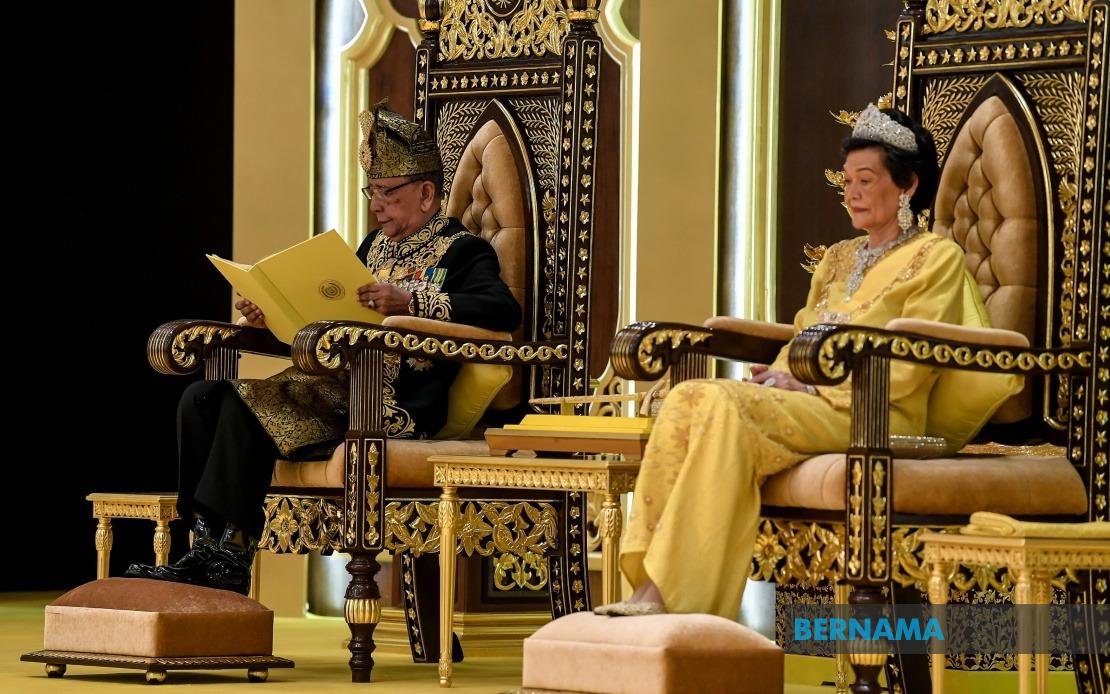
The Sultan of Kedah, Al Aminul Karim Sultan Sallehuddin Sultan Badlishah, has delivered a pointed message to policymakers and stakeholders involved in Langkawi's future: the island's path to prosperity must be uniquely its own. Speaking at an investiture ceremony marking his 84th birthday in Alor Setar on July 5, the Sultan underscored that Langkawi Island stands as a strategic economic engine for Kedah and the nation at large, yet its tourism strategy should not simply mimic or pit itself against international heavyweight destinations like Phuket, Thailand, or Bali, Indonesia.
This intervention from the palace carries significance in Malaysia's ongoing conversation about regional tourism competitiveness. Rather than engaging in a perpetual game of catch-up with established rivals, the Sultan's vision pivots toward authenticity and sustainability as the island's competitive advantage. His emphasis on preserving Langkawi's natural treasures and distinctive heritage—factors that already set it apart from its Southeast Asian neighbours—suggests a deliberate recalibration of the island's strategic positioning. For Malaysian tourism planners and investors, this represents a call to move beyond generic development blueprints and instead capitalise on what genuinely differentiates Langkawi in an increasingly crowded regional market.
The Sultan's comments also serve as a reminder that Langkawi's economic importance transcends mere tourism metrics. As a premier destination driving state revenue and employment, decisions about how the island develops carry implications far beyond hotel occupancy rates. The island's reputation affects not only visitor numbers but also investor confidence, property values, and the long-term sustainability of communities that depend on tourism-related livelihoods. By framing development as a matter of preserving and enhancing genuine assets rather than constructing artificial replicas of competitors' offerings, the Sultan positions heritage and environment as economic foundations rather than secondary concerns.
Yet the palace also issued a stern warning that this vision faces threats. Sultan Sallehuddin declared his determination not to tolerate any party that might exploit circumstances through actions or statements capable of damaging Langkawi's image and reputation. This language suggests concern about reputational risks—whether from inappropriate development projects, poor environmental stewardship, or public statements that undermine the island's carefully curated identity. In an era where social media amplifies criticism and travel reviews influence booking decisions, protecting an island's brand has become as crucial as protecting its coastlines.
Beyond tourism strategy, the Sultan raised alarm over infrastructure delays that have compromised residents' quality of life. The Sungai Kedah and Anak Bukit flood mitigation plan (RTB) has languished in an incomplete state, leaving communities in vulnerable areas subject to recurring inundation. This complaint illuminates a persistent tension in Malaysian development: while grand tourism and commercial projects capture headlines and investment, critical infrastructure serving local populations often stalls. The Sultan's insistence on immediate action reflects frustration that residents should not bear the burden of chronic flooding while state and federal authorities deliberate over implementation timelines.
The timing of these remarks during an official investiture ceremony adds ceremonial weight to what might otherwise be routine policy commentary. By embedding these messages in a formal state occasion attended by senior royal family members—including the Sultanah of Kedah, the Raja Muda, and the Tunku Mahkota—the palace signalled that these concerns command institutional priority. The assembled gathering of Kedah's senior royals underscored that tourism development and infrastructure delivery are matters worthy of royal attention and expectation.
For Malaysian observers, the Sultan's intervention highlights how regional monarchies continue to exercise soft power in economic governance. Unlike direct executive authority, the Sultan's influence operates through moral suasion and institutional standing, encouraging officials to reconsider priorities and implementation timelines. When a reigning sultan publicly expresses serious concern about delayed projects affecting residents, state and federal agencies typically feel compelled to respond, even if responses have historically been sluggish.
The juxtaposition of tourism ambitions and infrastructure realities also resonates across Malaysia. Many regions aspire to leverage tourism for economic development, yet struggle to deliver the basic infrastructure—reliable drainage, flood management, roads—that underpins both competitiveness and residents' wellbeing. Langkawi's challenges thus reflect broader dilemmas facing tourism-dependent economies throughout Southeast Asia, where rapid development sometimes outpaces the supporting infrastructure required to sustain it responsibly.
The Sultan's emphasis on developing Langkawi according to its own identity rather than competing head-to-head with Phuket or Bali also contains a subtle acknowledgment that some competitive battles have already been lost or are unwinnable on the terms competitors have set. Rather than pursuing a strategy of differentiation through imitation, the palace appears to advocate for differentiation through authenticity—positioning Langkawi as a destination that offers something genuinely unavailable elsewhere. For tourism boards and developers, this represents permission to stop pursuing the offshore casino model or mega-resort strategies that characterise some competing destinations, and instead build upon what already distinguishes the island.
Moving forward, stakeholders will likely monitor whether these royal exhortations translate into tangible policy shifts. Infrastructure projects that have stalled could receive accelerated attention; tourism planning frameworks might be revisited to emphasise heritage and environmental preservation; and regulatory authorities may exercise stricter oversight regarding developments that might tarnish the island's image. The Sultan's words, while not constituting direct executive orders, carry the weight of institutional expectation and represent the perspective of one of Malaysia's most senior officials regarding how a crucial state asset should be stewarded.

