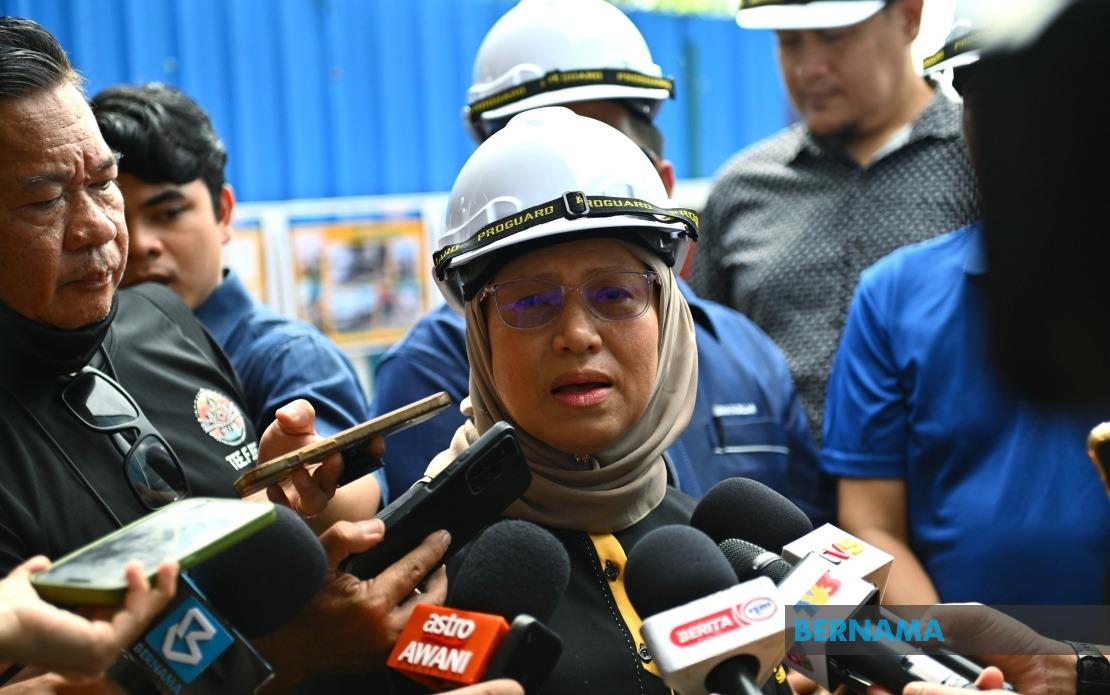
The Social Welfare Department has directed a kindergarten in Langkawi to temporarily cease operations while police complete their investigation into serious allegations of child neglect and inappropriate handling. Minister Datuk Seri Nancy Shukri announced the directive following a report lodged by a former teacher at the establishment, which has sparked urgent action across multiple government agencies concerned with child protection and welfare standards in early childhood education facilities.
The investigation, initiated under Section 31(1) of the Child Act 2001, centres on troubling claims regarding the treatment of children in the kindergarten's care. According to Langkawi district police chief ACP Khairul Azhar Nuruddin, allegations include instances of children being made to sleep on floors without mattresses and being confined in toilet facilities—conditions that would represent serious breaches of child welfare standards and educational guidelines. The police department is methodically examining these claims through review of CCTV surveillance footage and statements from witnesses who may have direct knowledge of conditions at the facility.
While the kindergarten operates under the purview of the Education Ministry, the Social Welfare Department has assumed a coordinating role in the investigation, reflecting the cross-sectoral nature of child protection concerns in Malaysia. Shukri emphasised that JKM's child protection officers are working in tandem with police investigators and the District Education Office to gather comprehensive evidence and compile the documentation necessary to support the ongoing inquiry. This multi-agency approach underscores the seriousness with which authorities are treating the allegations and their commitment to ensuring thorough examination of all claims.
The directive to suspend operations is a precautionary measure designed to prevent any further potential harm while investigations proceed. Shukri stressed the importance of parents adhering to police instructions and cooperating fully with authorities to safeguard their children's welfare. The temporary closure also allows investigators unimpeded access to the premises and records without the disruption of daily operations, facilitating a more comprehensive examination of conditions and practices within the facility.
The kindergarten operator has received formal cautioning regarding matters of child care, safety, and welfare, alongside reminders of the regulatory requirements that govern early childhood education facilities in Malaysia. Officials have made explicit that should investigations uncover evidence of legal violations, appropriate enforcement action will be pursued without hesitation. This messaging is designed to reinforce the government's zero-tolerance stance on child endangerment while also signalling to other operators the consequences of failing to maintain required standards.
These developments reflect broader concerns about oversight and accountability in Malaysia's kindergarten sector, where facilities operate under varying levels of regulation and scrutiny. The incident highlights potential gaps in compliance monitoring and the importance of robust reporting mechanisms that allow concerned staff members to flag problematic conditions through appropriate channels. The former teacher's decision to file a report demonstrates the critical role that internal whistleblowing plays in exposing welfare concerns that might otherwise remain hidden from public and regulatory view.
For parents with children enrolled in the facility, the closure creates immediate logistical challenges in securing alternative childcare arrangements. The Social Welfare Department's advisory to parents reflects administrative sensitivity to the disruption caused while maintaining that child safety cannot be compromised by operational convenience. Authorities have not provided guidance on compensation or support for families affected by the suspension, though such considerations may emerge as the investigation progresses and the facility's status becomes clearer.
The allegations, if substantiated, would constitute serious violations of child protection principles enshrined in Malaysian law and international conventions on children's rights to which Malaysia is a signatory. Conditions such as inadequate sleeping arrangements and confinement in unsuitable spaces represent not merely poor practice but potential criminal conduct. The police investigation's focus on gathering forensic evidence through CCTV footage and corroborating witness accounts suggests investigators are building a case suitable for potential prosecutorial consideration beyond administrative remedies.
The timing of this incident occurs against a backdrop of increased public and regulatory attention to early childhood education standards across Southeast Asia. Malaysian parents are becoming increasingly discerning consumers of educational services, and high-profile cases of institutional child mistreatment have elevated awareness of the importance of facility transparency and accountability. This kindergarten case will likely amplify calls for strengthened inspection regimes, mandatory reporting protocols, and enhanced training requirements for staff handling young children.
Minister Shukri's public handling of the matter—combining swift administrative action with transparent communication about the investigation's scope and legal framework—reflects efforts to maintain public confidence in government oversight mechanisms. The coordination between JKM and the District Education Office signals that regulatory responsibilities, though distributed across different ministries, can function cohesively when child protection concerns arise. However, the incident also raises questions about preventive inspection and monitoring practices that might have identified problematic conditions earlier.
Looking forward, this case may catalyse policy discussions about standardising kindergarten regulations more uniformly across Malaysia, establishing clearer accountability mechanisms for facility operators, and creating more accessible channels for reporting concerns. The emphasis on child protection officers' involvement underscores the shift toward placing specialist expertise at the centre of child welfare investigations rather than relying solely on police and educational officials with potentially limited training in child protection matters.

