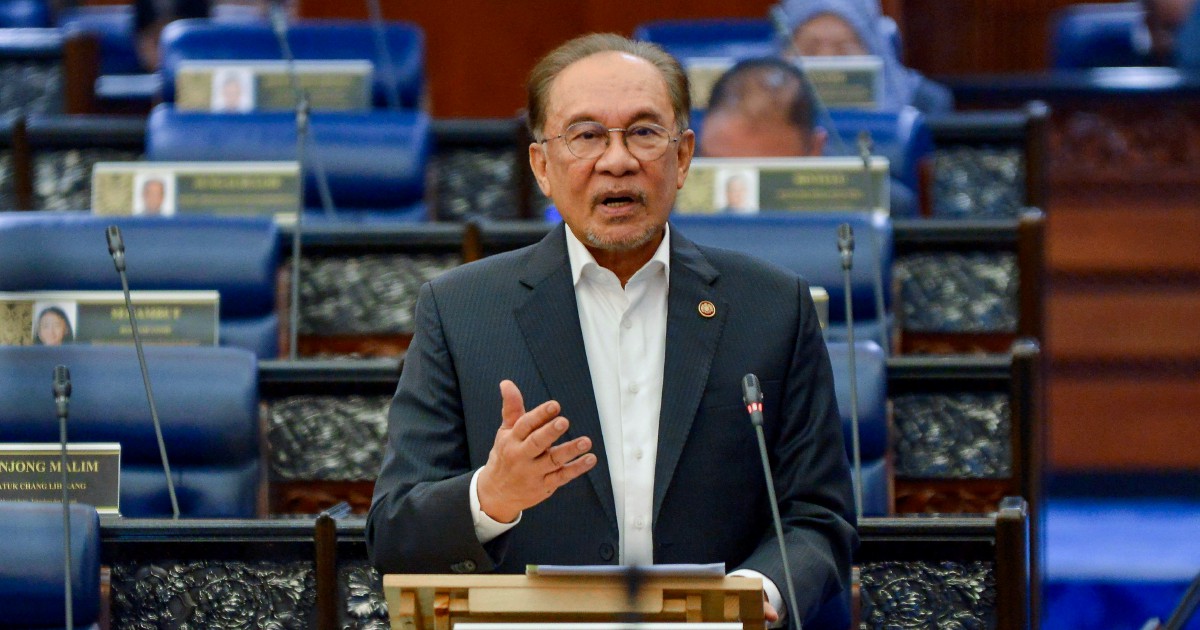
Malaysia faces a mounting challenge in funding its government pension obligations, with the Retirement Fund Incorporated's investment returns proving inadequate to bridge a substantial fiscal gap. Prime Minister Datuk Seri Anwar Ibrahim disclosed that KWAP's RM12.9 billion in annual earnings cover only about 29 per cent of the government's nearly RM45 billion pension liability, highlighting a structural imbalance in the nation's retirement benefit system that demands urgent attention.
The shortfall underscores a critical financial pressure point for public finances in Southeast Asia's third-largest economy. As Malaysia's population ages and the civil service pension roll expands, the government must increasingly fund the difference between what KWAP generates through investment returns and what pensioners are entitled to receive. This widening gap raises fundamental questions about the long-term sustainability of current pension arrangements and the government's capacity to maintain them without substantial budgetary strain.
KWAP, which manages retirement benefits for Malaysia's civil servants and military personnel, operates as an investment fund tasked with generating returns that help offset pension payments. However, the fund's performance, while substantial in absolute terms, remains dwarfed by the obligations it was designed to support. The RM12.9 billion annual earnings represent a respectable return on the fund's asset base, yet this achievement only highlights the immense scale of pension liabilities that have accumulated through decades of employment promises to the public sector workforce.
The pension system's structure reflects historical precedent rather than contemporary actuarial prudence. When Malaysia's civil service pension framework was established, demographic patterns were vastly different, with more working-age citizens supporting each retiree. Today's demographic reality—characterized by increased life expectancy and reduced fertility rates—has fundamentally altered the mathematics underlying the system. Pensioners are living longer, claiming benefits for extended periods, while the proportion of active contributors relative to retirees has contracted significantly.
Anwar's disclosure carries particular weight given his role in steering Malaysia's economic policy during a period of persistent fiscal deficits. The government has struggled to balance competing demands on the budget, from infrastructure development and social programmes to debt servicing. Pension obligations represent a fixed, mandatory expense that competes directly with other spending priorities. The magnitude of the shortfall—approximately RM32 billion annually that must be covered from general government revenues—amounts to a substantial ongoing commitment that constrains fiscal flexibility.
The situation parallels challenges facing developed economies grappling with ageing populations and underfunded public pensions. However, Malaysia's context is unique. Unlike some nations that have implemented parametric reforms such as raising retirement ages or adjusting benefit formulas, Malaysia's system has remained largely static. This policy continuity has allowed benefits to accumulate without corresponding adjustments to contribution rates or eligibility criteria, creating an expanding liability that demands increasing government subsidisation.
For Malaysian workers and retirees, the disclosure raises important questions about pension security and the government's commitment to honouring its obligations. Civil servants, who represent a significant portion of Malaysia's educated middle class, entered the public sector with expectations that their pensions would be protected and adequate. Any policy changes affecting these benefits would carry political and social ramifications. Conversely, maintaining current arrangements without reform places mounting pressure on fiscal sustainability and potentially crowds out investments in education, healthcare, and infrastructure.
The KWAP shortfall also reflects broader challenges in the fund's investment strategy. Generating higher returns would require greater risk-taking, potentially exposing the fund to market volatility that could threaten pensioner security. Alternatively, more conservative strategies preserve capital but yield lower returns, widening the gap between earnings and obligations. This tension—between seeking returns sufficient to cover liabilities while maintaining prudent risk management—represents an ongoing management challenge that requires sophisticated policy responses.
Regional context further illuminates Malaysia's situation. Other Southeast Asian nations face similar demographic pressures as their populations age and development advances. Singapore, with its Central Provident Fund system, pursued mandatory individual savings accounts that shift responsibility to workers while reducing government pension liabilities. Thailand, Vietnam, and Indonesia grapple with informal workforce issues and fragmented retirement systems. Malaysia's challenge of narrowing a defined benefit pension shortfall is therefore not unique to the country but reflects a broader regional transition as economies mature.
The prime minister's statement serves as a fiscal reality check that may presage policy discussions about pension sustainability. Whether Malaysia will pursue incremental reforms—such as contribution rate adjustments, benefit modifications, or phased retirement age increases—remains unclear. However, Anwar's public acknowledgement suggests the government recognises the system's structural imbalance and may be preparing stakeholders for difficult decisions ahead. For policymakers, the path forward likely involves a combination of measures designed to improve KWAP's returns, moderate the growth of liabilities, and establish a more sustainable framework for public sector retirement benefits.
In essence, Malaysia's pension funding gap represents a collision between demographic realities and historical policy choices. The RM32 billion annual shortfall cannot be indefinitely absorbed within tight fiscal constraints. Whether through investment optimisation, modest parametric reforms, or enhanced government contributions, resolving this imbalance will require sustained political will and careful management to protect vulnerable retirees while ensuring fiscal responsibility.

