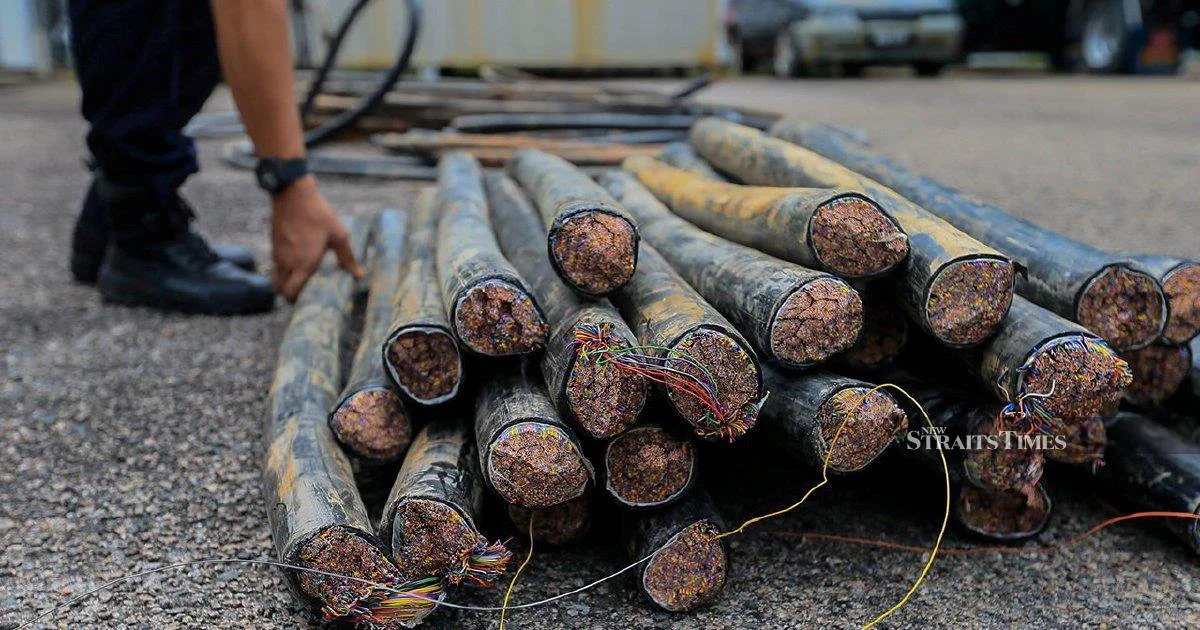
Kuala Lumpur's battle against cable theft has achieved a notable breakthrough, with police reporting a substantial decline in criminal activity targeting telecommunications and electrical infrastructure across the city. The Royal Malaysian Police recorded just 71 cable theft reports spanning January through May 2025, a striking contrast to the 205 cases that plagued the capital throughout the whole of 2024. This 65% reduction represents a significant victory in the force's ongoing campaign to combat organized metal theft rings that have long disrupted utility services and posed safety risks to residents and workers.
The improvement comes as law enforcement agencies have intensified their crackdown on the criminal networks behind these coordinated thefts. To date in 2025, police have arrested 85 suspects allegedly involved in cable stealing operations, signaling a more proactive approach to dismantling the supply chains that make such crimes profitable. These arrests span various levels of the criminal ecosystem, from street-level perpetrators to individuals involved in receiving and trafficking stolen materials to scrap dealers and recycling centers that have traditionally laundered the proceeds.
Cable theft has historically represented a persistent headache for Kuala Lumpur's municipal authorities and utility companies. Thieves target copper and aluminium cables from electricity substations, telecommunications infrastructure, and water distribution systems, not merely for the intrinsic value of the metal but because these materials command stable prices in the scrap market. The ripple effects extend far beyond simple property loss: service interruptions affect hospitals, residential areas, and businesses, while exposed wiring creates electrocution hazards and fire risks in densely populated urban neighborhoods.
The timing of this crime reduction is significant given Southeast Asia's broader struggles with organized metal theft. Neighboring countries including Indonesia and Thailand have reported escalating incidents, suggesting that improved policing in Malaysia may also reflect better intelligence sharing and inter-agency coordination. The success in Kuala Lumpur could offer valuable lessons for other Malaysian cities experiencing similar pressures, particularly in the Klang Valley region where rapid urbanization has created both opportunity and vulnerability.
Police operations addressing cable theft have evolved beyond reactive investigations to incorporate predictive policing and community partnerships. Enhanced surveillance around high-risk infrastructure zones, particularly aging electrical substations and telecommunications equipment in older districts, has enabled faster response times and increased apprehension rates. The enforcement strategy appears to have created sufficient friction that opportunistic thieves have been deterred, while organized networks face mounting operational costs as key members face arrest and prosecution.
The scrap metal market dynamics underlying cable theft merit attention from policymakers. Malaysia's recycling industry, while environmentally necessary, has sometimes inadvertently provided cover for stolen materials. Authorities have reportedly increased scrutiny of scrap dealers, requiring more rigorous documentation of material origins and implementing electronic tracking systems. These measures aim to sever the financial incentives that make cable theft attractive to criminal syndicates, particularly in areas where unemployment and economic marginalization create recruitment opportunities.
For Malaysian utility companies, the reduced theft rate translates into tangible operational benefits. Fewer infrastructure damages mean reduced maintenance expenditures, improved service reliability, and enhanced safety for maintenance crews working on exposed lines. Telecommunications operators and power distributors have reported fewer service outages attributable to theft-related damage, allowing them to focus resources on planned upgrades and maintenance rather than emergency repairs from criminal activity. This efficiency gain ultimately benefits consumers through improved service quality and potentially lower operational costs.
The sustainability of this improvement remains a critical question. Cable theft, like many forms of organized crime, can resurface rapidly if enforcement pressure diminishes or if criminal networks adapt their tactics. Regional economic conditions also influence theft patterns—economic downturns typically correlate with increased scrap metal stealing as individuals seek quick income, while global commodity prices for copper and aluminium fluctuate the financial calculus for thieves. Maintaining current momentum will require sustained police commitment and continued cooperation from private sector partners.
Beyond enforcement, addressing root causes represents a longer-term strategy. Youth employment initiatives, skills training programs, and community engagement in vulnerable neighborhoods can reduce the recruitment pool available to criminal syndicates. Singapore's approach to organized crime has demonstrated that combining tough law enforcement with social intervention yields superior long-term outcomes compared to criminalization alone. Malaysian authorities appear increasingly cognizant of this reality, though the balance between punishment and prevention remains a work in progress.
The cable theft reduction also reflects improved public awareness campaigns warning citizens about the dangers and consequences of metal stealing. Educational initiatives highlighting the safety hazards of exposed wiring and the community impact of infrastructure damage have contributed to a cultural shift in some neighborhoods, where residents increasingly report suspicious activities to police. This community-police partnership model, though nascent, shows promise for sustainability beyond the current enforcement surge.
Looking forward, police will face the challenge of sustaining these results while allocating resources across competing crime priorities in Malaysia's largest metropolitan area. The infrastructure investments in surveillance technology and intelligence gathering that enabled the cable theft decline could potentially be replicated for other persistent crime categories. However, maintaining 85 arrests per five months requires continued operational intensity that may not be indefinitely sustainable without additional funding and personnel allocation decisions by federal authorities.
For Malaysian businesses and residents, the cable theft reduction signals that targeted, coordinated law enforcement interventions can yield measurable improvements in urban safety and service reliability. The 71 cases recorded in the first five months of 2025, while still representing genuine losses and risks, underscore the viability of reversing crime trends through determined action. Whether this progress endures will depend on authorities' willingness to maintain pressure on criminal networks while simultaneously addressing the socioeconomic factors that fuel recruitment into organized metal theft operations.