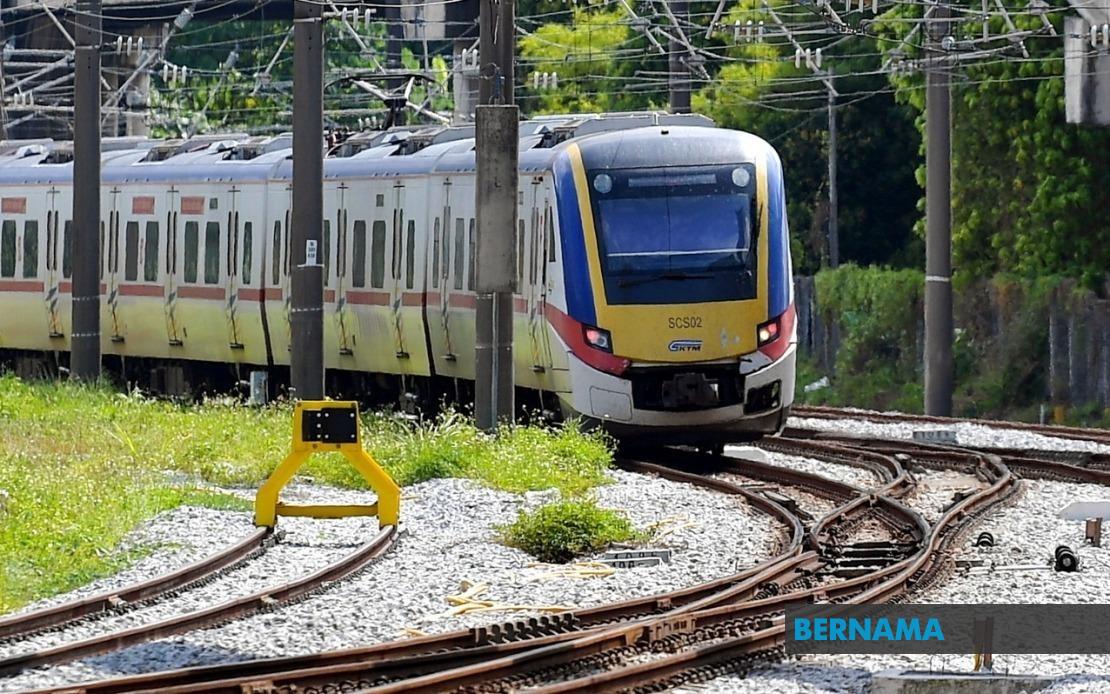
Keretapi Tanah Melayu Berhad (KTMB) is preparing for the anticipated rush of holiday travellers by significantly expanding its train capacity across multiple routes. The state rail operator announced it would deploy 124 additional services—comprising extra Electric Train Service (ETS) and Electric Multiple Unit (EMU) Plus trains—offering 38,944 new seats to accommodate expected demand during Malaysia's National Day celebrations and the concurrent school holidays in late August and early September.
The bulk of this expansion centres on the premium ETS network, which will add 100 services over three separate periods: from August 21 to 23, August 28 to 31, and September 4 to 6. These 100 ETS services will collectively make available 31,600 seats on the high-speed intercity routes that connect Kuala Lumpur with destinations including Ipoh, Butterworth, and Padang Besar. By staggering the extra services across multiple holiday windows rather than concentrating them in a single period, KTMB aims to distribute capacity more evenly and reduce bottlenecks during peak travel days.
Complementing the ETS expansion, KTMB will also operate 24 additional EMU Plus services, a mid-tier offering that sits between the budget KTM Komuter network and the premium ETS tier. These EMU Plus trains will provide 7,344 seats and will run on selected dates between August 21 and September 6. Notably, KTMB extended this service to include Bandar Tasik Selatan as a new destination, potentially opening the network to commuters and holiday travellers in the southern metropolitan region who previously faced limited rail options to inter-city destinations.
The KTM Komuter's northern sector will also see heightened capacity, with eight extra services added to the Padang Besar-Butterworth-Padang Besar route from August 27 to 31. This augmentation brings the total daily services on this northern commuter corridor to 46 trains, a significant increase intended to serve both leisure travellers heading north during the holidays and regular commuters whose journeys may be disrupted by the holiday influx.
Tickets for all these additional services went on sale immediately following the announcement, with KTMB utilising its official sales channels to distribute inventory. The rapid ticket availability reflects the rail operator's confidence in sustained demand and its desire to prevent last-minute booking scrambles that could overwhelm booking systems. Early sales also provide KTMB with real-time data on which routes and dates face the highest demand, allowing for dynamic operational adjustments if necessary.
The capacity expansion coincides with KTMB's celebration of the ETS's 16th anniversary, an occasion the company marked with customer appreciation activities from August 10 to 14. These promotional efforts included voucher distributions, meal vouchers in partnership with KFC, complimentary travel tickets, and discount incentives valued at RM16 per ticket. Such customer-focused initiatives serve a dual purpose: they reward existing loyal passengers while potentially converting occasional users into more regular commuters during a period of heightened visibility.
Statistics underscore the expanding role of rail transport in Malaysia's domestic travel landscape. According to KTMB's group chief executive officer Datuk Azlan Shah Al Bakri, the ETS has accumulated 44.3 million passengers since its inception in 2010. More strikingly, data from January to July 2024 reveals a year-on-year surge of 56 per cent, with 3.67 million passengers using the service compared to 2.36 million during the same period in 2023. This robust growth trajectory suggests that rail travel is gaining traction among Malaysian commuters and holiday travellers, potentially reflecting both improved service quality and shifting preferences away from congested highways.
The ETS network's evolution mirrors Malaysia's broader infrastructure development strategy. Launched in August 2010 with a single route to Ipoh, the service expanded north to Butterworth and Padang Besar in 2015, establishing KTMB's presence as Malaysia's premium intercity rail operator. The planned further southward expansion at the end of 2025 will extend the network's reach, potentially opening new markets and reducing travel times for passengers in southern Peninsular Malaysia. This incremental geographic expansion, supported by capacity additions during holiday peaks, demonstrates KTMB's attempt to build a comprehensive, nationally competitive rail alternative to car travel.
For Malaysian travellers, particularly families planning multi-day trips during the National Day break and school holidays, this expanded capacity offers genuine relief. The combination of 38,944 additional seats across three train tiers provides options at different price points and service levels, accommodating budget-conscious travellers using KTM Komuter, mid-market passengers preferring EMU Plus, and premium customers who prioritise speed and comfort on the ETS. The staggered schedule also means that travellers with flexibility in their holiday dates can spread their journeys across multiple weekends, potentially securing better ticket availability and lower prices than if they all travelled on a single peak day.
Beyond the immediate holiday season, these figures carry implications for Malaysia's transportation policy. The sustained growth in rail passenger numbers and KTMB's willingness to deploy significant capital to meet seasonal demand peaks suggest that rail infrastructure warrants continued investment. As Malaysia's urban areas continue to expand and highway congestion worsens, reliable intercity rail services become increasingly valuable not just for leisure travel but for economic productivity and urban mobility. The 56 per cent year-on-year growth rate indicates that when capacity and service quality meet traveller expectations, demand responds substantially.
KTMB's expansion strategy also reflects competitive pressures in Malaysia's transport sector. Intercity bus operators, ride-hailing services, and low-cost airlines compete for the same leisure and business travel segments that rail targets. By aggressively adding capacity during peak periods and maintaining service reliability, KTMB positions itself as a viable alternative to highway driving and budget airlines. The emphasis on customer appreciation and anniversary celebrations, coupled with concrete capacity additions, demonstrates a multi-faceted approach to building market share and brand loyalty in a fragmented transport landscape.
Looking ahead, the effectiveness of this holiday season capacity expansion will likely influence KTMB's planning for future peak periods. If passenger numbers during August-September 2024 meet or exceed expectations, the operator may consider making some of these additional services permanent fixtures or expanding them further. Conversely, if demand falls short, KTMB will possess valuable operational data for refining its forecasting models. Either way, the ambitious holiday deployment represents a calculated investment in customer satisfaction and market positioning during a period when transport choices are most visible and consequential for millions of Malaysian travellers.

