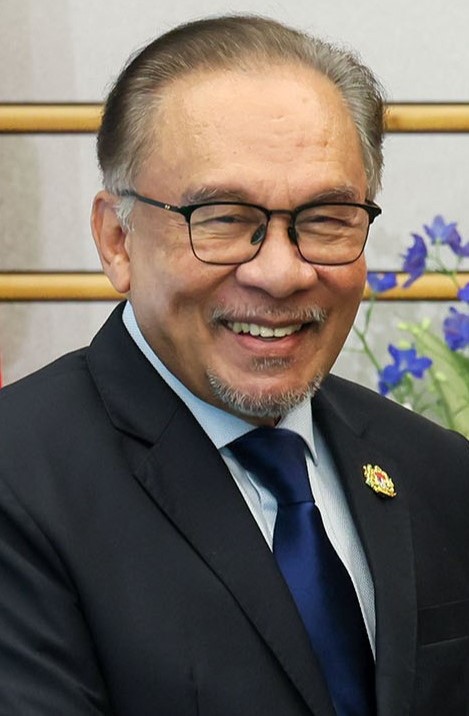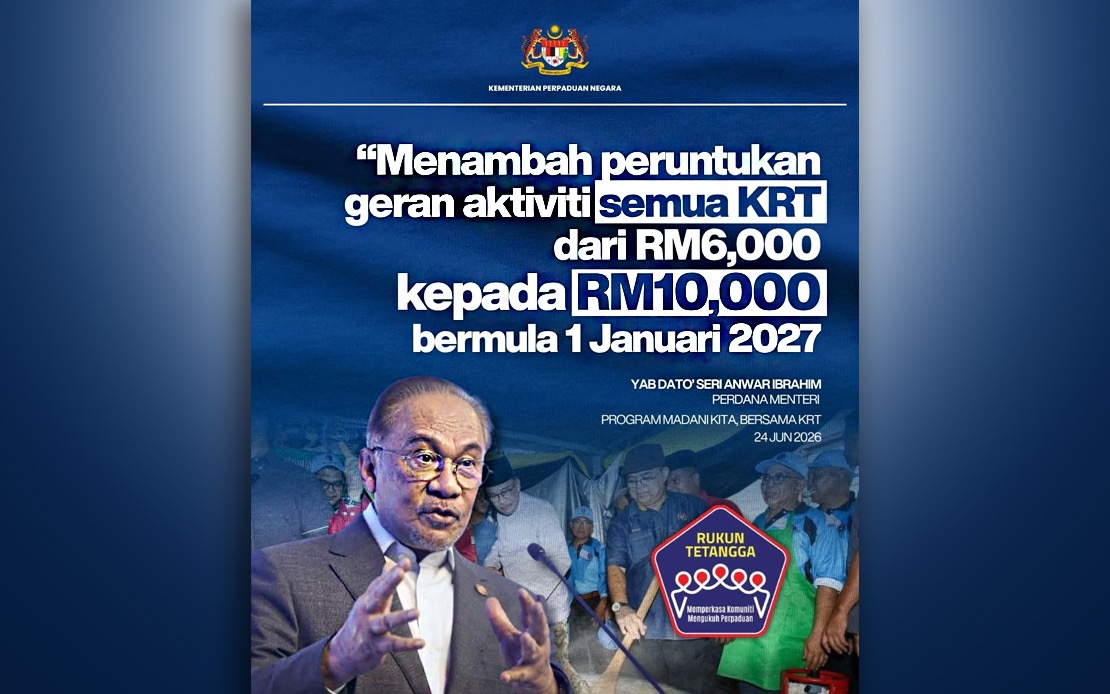
The federal government has substantially increased financial support for Malaysia's nationwide network of neighbourhood watch associations, marking a significant commitment to grassroots community development. A total of 8,615 KRT (Kawasan Rukun Tetangga) groups will now receive RM10,000 annually, up from the previous RM6,000 allocation—a 67 percent increase that reflects mounting recognition of their role in maintaining social cohesion across the country. Prime Minister Datuk Seri Anwar Ibrahim announced the enhancement during the MADANI KITA programme held in Dataran Segamat, Johor, with disbursement scheduled to commence on January 1, 2027.
National Unity Minister Datuk Aaron Ago Dagang framed the funding boost as emblematic of the MADANI Government's wider strategy to invigorate grassroots organisations that form the bedrock of Malaysian society. According to his statement, the increase recognises the instrumental contributions KRT associations have made over more than five decades in fostering communal bonds and delivering tangible benefits to neighbourhoods. The move underscores a deliberate policy shift toward decentralising development initiatives and trusting local structures to address community-specific needs rather than imposing top-down solutions.
The scale of KRT's operational footprint across Malaysia is substantial. The ministry coordinates approximately 250,000 active members distributed across the 8,615 registered groups, collectively reaching and influencing more than 12 million Malaysians. Over the past year alone, these associations organised over 100,000 community activities, ranging from social events and security patrols to welfare distribution and neighbourhood clean-up drives. This extensive network demonstrates how KRT functions as a crucial intermediary layer between government agencies and ordinary citizens, translating policy objectives into localised action that resonates with residents' immediate concerns.
The enhanced funding is expected to substantially broaden the scope and impact of KRT programmes. With increased financial capacity, neighbourhood associations can now undertake more ambitious initiatives spanning unity-building activities, structured community development projects, welfare assistance schemes, educational support, enhanced security arrangements, volunteerism coordination, and grassroots economic empowerment ventures. These expanded capabilities become particularly valuable in Malaysia's context as a ethnically and religiously diverse nation where sustained community-level harmony directly contributes to national stability.
Minister Aaron emphasised that the financial injection is fundamentally about strengthening Malaysia's plural character. He articulated that neighbourliness—the daily interactions and mutual respect among residents of different backgrounds—represents the true foundation of national unity, more resilient and authentic than top-level political agreements alone. KRT associations have demonstrated particular effectiveness in this regard, creating spaces where people regardless of race, religion, or socioeconomic status collaborate on shared community concerns. These platforms naturally breed familiarity and trust that transcend demographic divides, particularly in multi-ethnic housing areas and suburbs where cultural boundaries can otherwise remain firm.
The timing of this funding increase aligns with the government's broader MADANI development framework, which prioritises inclusive growth and people-centred policymaking. By channelling substantially more resources through existing grassroots structures, the government effectively decentralises development capacity and demonstrates confidence in community-led problem solving. This approach reduces administrative overhead associated with implementing programmes through federal or state bureaucracies, while simultaneously empowering local volunteers who understand their neighbourhoods' unique dynamics and priorities.
For KRT associations themselves, the RM4,000 annual increment per group translates into meaningful operational improvements. Groups can now hire coordination staff, maintain better record-keeping systems, procure safety equipment for neighbourhood patrols, organise more frequent community gatherings, provide modest welfare support during emergencies, and establish educational programmes for youth. These capabilities have multiplier effects—when a KRT successfully addresses a local security concern through better-organised patrols, or coordinates welfare assistance during a family emergency, it strengthens social capital and encourages continued community participation.
The ministry has signalled its intention to actively monitor how associations utilise the increased funding to ensure alignment with broader national objectives around unity and social cohesion. This oversight mechanism, while necessary for accountability, must carefully balance government guidance with grassroots autonomy—KRT's effectiveness partly stems from their organic, volunteer-driven character, and excessive bureaucratic control could paradoxically diminish the very community engagement the increased funding aims to enhance.
For Southeast Asian observers, Malaysia's approach offers instructive lessons about maintaining social stability in diverse societies. While regional nations face similar challenges of managing multi-ethnic and multi-religious populations amid rapid urbanisation and social change, few have developed neighbourhood-level institutional structures as extensive and formalised as KRT. The Malaysian government's decision to substantially increase funding suggests confidence that investing in these grassroots connections yields returns in social stability and national cohesion that justify the expenditure.
The expansion of KRT capacity also carries implications for Malaysia's informal welfare and security arrangements. In many parts of the country, neighbourhood associations provide de facto social safety nets and security responses that supplement official government services, particularly in middle and lower-income residential areas. Enhanced funding allows these groups to formalise and systematise what were previously ad hoc community support mechanisms, making services more reliable and equitable while reducing gaps in coverage.
Looking ahead, the success of this initiative will depend substantially on how KRT associations translate increased funding into tangible programmes that genuinely improve residents' lives and strengthen communal bonds. Groups that demonstrate effective utilisation of resources and measurable community impact may well serve as models for future policy expansion, while those that falter could prompt reassessment of the funding model. The ministry's commitment to providing adequate guidance and support infrastructure will therefore prove crucial to ensuring the investment delivers on its considerable promise.
Ultimately, the KRT funding increase represents a calculated wager by the Malaysian government that strengthening grassroots community institutions is an investment in national stability and social harmony. In an era when rapid change and digital communication can fragment traditional community ties, empowering neighbourhood organisations to facilitate face-to-face cooperation and mutual support potentially addresses root causes of social fragmentation. Whether this initiative achieves its ambitious objectives will become evident as associations across the country implement enhanced programmes over the coming years, setting important precedents for how Malaysia manages its diverse society.