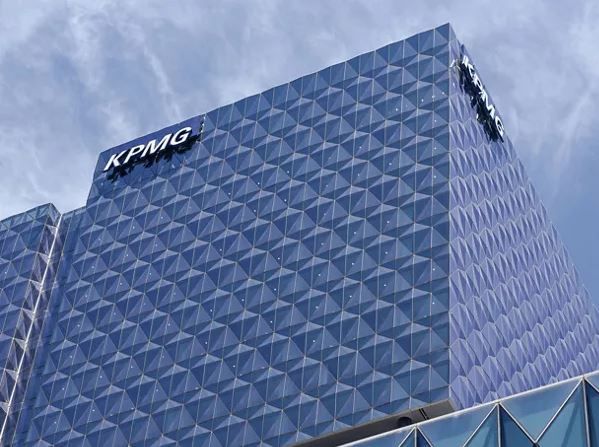
KPMG Australia suffered a significant leadership shake-up on Tuesday as its chairman stepped down alongside two senior audit partners, marking the latest consequence of a damaging scandal centred on the firm's alleged misappropriation of confidential client information to secure profitable audit work. The departures represent a mounting toll on one of the nation's largest professional services firms, which has already lost its chief executive and head of audit operations to the unfolding controversy.
Martin Sheppard's resignation as chairman, together with the departure of audit partners Paul Rogers and Eileen Hoggett, signals an effort by KPMG to contain the reputational fallout. Interim chief executive Stan Stavros described the moves as both necessary and urgent, acknowledging that the firm had fundamentally failed to uphold professional standards expected of a major auditing institution. His statement carried an implicit acceptance that the scandal had rippled far beyond KPMG's offices, affecting not only the whistleblower who exposed the wrongdoing but also reverberating through employee morale, client relationships, and broader public confidence in the firm's integrity.
At the heart of the controversy lies an allegation that KPMG accessed confidential board documentation belonging to real estate company Lendlease and weaponised this sensitive information to strengthen bids for major audit contracts. The use of insider knowledge gleaned from a client relationship to compete for subsequent work represents a profound breach of professional ethics and contractual trust. Rather than competing on the merits of their audit capabilities, methodologies, and proposed value, KPMG allegedly leveraged proprietary information that should have remained sacrosanct.
The whistleblower's allegations, which became public in March, specifically identified Rogers and Hoggett as the lead partners orchestrating the Lendlease audit engagement during the period when this misconduct allegedly occurred. Both individuals now face formal investigation by Australia's corporate regulator, an independent body tasked with ensuring that audit firms and their personnel comply with professional and ethical standards. Such regulatory scrutiny carries potentially serious consequences, including possible suspension or cancellation of their audit practitioner licenses, which would effectively end their careers in the profession.
The resignation of these two partners may reflect a pragmatic calculus: stepping down before regulatory conclusions might offer some reputational protection or demonstrate cooperation with oversight authorities. However, their exits also underscore the gravity of the allegations and suggest that KPMG's internal review process has concluded that their continued presence would be untenable for the firm's rebuilding efforts. The firm is essentially severing ties with individuals directly implicated in the breach, signalling to clients and regulators alike that accountability has been imposed.
For Malaysian and Southeast Asian professional services firms, the KPMG saga carries sobering implications. The Big Four audit firms operate across the region, and KPMG's scandals inevitably cast shadows over the entire audit profession. Corporate boards and audit committees throughout Asia may now scrutinise their audit relationships more closely, questioning whether information shared during audit processes could be misused to gain competitive advantages in contract renewals or expansions. This heightened suspicion, whether warranted or not, creates friction in relationships that depend on trust and transparency.
Moreover, the scandal illustrates how globalised professional services firms can become entangled in corporate governance failures in one jurisdiction and yet face reputational consequences across multiple markets. Malaysian companies that contract KPMG for audit or advisory services must now weigh the firm's responses against the underlying misconduct. The departure of senior leadership may be reassuring, yet the fundamental question of how such conduct went undetected by internal compliance and governance mechanisms remains troubling.
KPMG's announced remedial measures include appointing an independent chair and recruiting independent board members to its Australian operations. These moves reflect a textbook crisis-management playbook: remove compromised leaders, infuse external perspectives, and reconstruct governance architecture to prevent recurrence. Whether these structural adjustments prove sufficient depends on whether they address root causes or merely cosmetic symptoms. If the firm's culture permitted or tacitly encouraged the pursuit of audit work through information leverage, then appointing new board members without addressing deeper cultural pathologies will yield limited benefit.
The timing of these resignations also matters strategically. By acting decisively now, KPMG aims to demonstrate that it is taking the scandal seriously and is committed to restoration. Dragging out the process through prolonged investigations and reluctant exits would only deepen the crisis. However, the initial delay in responding to the whistleblower's allegations—with public disclosure occurring only in March—suggests that early warning systems within the firm may have faltered.
For the Australian corporate regulator, the KPMG case underscores the critical importance of robust whistleblower protections and credible investigation mechanisms. If individuals had felt empowered to raise concerns earlier and had been confident that those concerns would be taken seriously, the scandal might have been arrested before it metastasised into a systemic governance crisis. The regulator's ongoing investigation into Rogers and Hoggett will be closely watched by compliance professionals throughout the region as a test of enforcement credibility.
The broader audit profession faces an existential challenge as these scandals accumulate. Audit firms are entrusted with gatekeeping functions that protect investors, creditors, and the financial system. When that trust is violated—particularly through deliberate misconduct rather than honest error—the consequences extend far beyond the firm involved. Clients may question whether their auditors are truly independent, and regulators may impose tighter controls and more frequent inspections, raising audit costs and complexity.
For KPMG specifically, the path forward requires more than symbolic leadership changes. The firm must demonstrate that it has genuinely recommitted to ethical practice, that its people understand the boundaries of proprietary information, and that any future violations will trigger swift and severe consequences. Rebuilding client confidence and regulatory trust will take years of exemplary conduct. The resignations announced Tuesday represent a necessary but insufficient first step in that lengthy redemption process.