The Ministry of Domestic Trade and Cost of Living has signalled its willingness to develop tailored support mechanisms for island residents across Peninsular Malaysia who face unique economic challenges due to their geographic isolation. Deputy Minister Datuk Dr Fuziah Salleh made the commitment during parliamentary proceedings on July 1, acknowledging the specific hardships encountered by communities whose daily survival depends on boat transport to access mainland services and markets. This recognition represents a shift towards understanding how broad national welfare schemes must adapt to serve populations in geographically distinct circumstances.
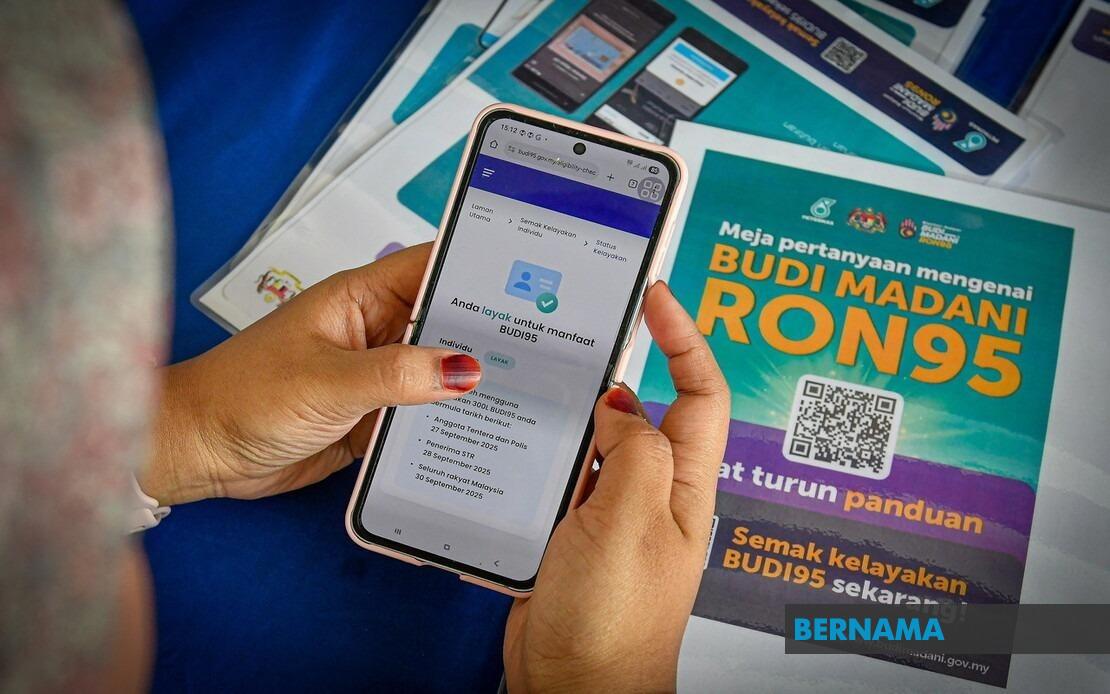
The initiative stems from concerns raised by Muhammad Islahuddin Abas, the member of parliament for Mersing, who highlighted that island dwellers face disproportionately high fuel expenses compared to their mainland counterparts. His request focused specifically on increasing the BUDI95 quota allocation for residents of islands within his Johor constituency, reflecting mounting pressure on household budgets driven by essential transportation costs. The BUDI MADANI scheme, Malaysia's primary social assistance initiative, currently provides limited provisions for such niche communities whose transportation needs diverge significantly from typical urban and rural populations.
Dr Fuziah's response indicated that the ministry recognises the merit in examining targeted interventions. She stated that officials would investigate feasible approaches to channel assistance specifically toward boat-dependent populations, though she stopped short of committing to implementation timelines or specifying the form such assistance might take. This cautious optimism suggests that bureaucratic hurdles and budget considerations remain under assessment, but that the case for special provisions has gained traction within government circles. The acknowledgement alone represents validation for communities that have historically struggled to articulate their needs within national policy frameworks designed primarily for terrestrial populations.
Beyond island communities, the ministry is simultaneously undertaking a parallel review affecting another marginalised group: non-governmental organisations operating old folks' homes. Dr Fuziah revealed that these care facilities currently fall outside the scope of subsidised diesel assistance under existing schemes, despite operating vehicles essential for transporting elderly residents to medical appointments, nutrition programmes, and other welfare services. The exclusion stems from a procedural technicality: these organisations are registered with the Registrar of Societies rather than the Companies Commission of Malaysia, creating a categorical barrier that administrators are now seeking to address.
The distinction between registration authorities may seem arcane to outsiders, but it represents a fundamental structural problem within government subsidy distribution systems. Many welfare organisations, charitable bodies, and community groups choose or are required to register as societies rather than formal companies due to their non-profit nature and governance structures. However, numerous government schemes—including fuel subsidies—were designed with corporate entities in mind, inadvertently excluding legitimate welfare providers that operate at the grassroots level. Dr Fuziah's acknowledgment that the ministry must develop additional procedural pathways demonstrates awareness that policy frameworks require recalibration to accommodate diverse organisational forms serving public welfare functions.
Currently, old folks' homes registered as societies must navigate bureaucratic obstacles to access the Subsidised Diesel Control Scheme, even when their transport requirements directly serve vulnerable populations. These facilities operate shuttle services, medical transport, and community vehicles that facilitate elderly residents' independence and access to essential services. The inability to obtain subsidised fuel increases operational costs that often translate into reduced service quality or higher fees for residents, many of whom live on fixed incomes and limited savings. Dr Fuziah indicated that the ministry is actively reviewing the standard operating procedures governing diesel access to determine how societies can be incorporated into the system.
The Deputy Minister's statements to Dr Wee Ka Siong, the Ayer Hitam parliamentarian, further clarified the current boundaries of subsidy eligibility. She reiterated that the Subsidised Diesel Control Scheme 2.0 maintains a narrow focus on sectors deemed essential, with food production and distribution receiving priority status. Tourism and construction industries, despite their economic significance and transport-intensive operations, remain ineligible under the current scheme design. This prioritisation reflects government policy that allocates limited subsidy resources toward maintaining affordability of staple foods, though it also reveals the constraints facing other sectors seeking relief from elevated fuel costs.
The tourism sector's exclusion represents a particular tension for Malaysia's economic strategy. The nation relies substantially on tourism revenue, yet businesses within this sector cannot access fuel subsidies, placing them at competitive disadvantage relative to domestic costs. Hotels, tour operators, transport services, and related enterprises must absorb fuel expenses at full market rates, pressures that ultimately influence service pricing and competitiveness within Southeast Asia's regional tourism market. Similarly, construction industries face mounting input costs without access to subsidised fuel, potentially affecting housing affordability and infrastructure project economics.
The broader policy trajectory evident in these parliamentary exchanges reflects mounting recognition that national subsidy schemes require granular refinement to address real-world complexity. One-size-fits-all approaches, however well-intentioned, inevitably exclude legitimate beneficiaries and fail to account for diverse geographic conditions, organisational structures, and sectoral requirements. As Malaysia continues developing and refining its social welfare architecture, these discussions highlight the iterative process of policy improvement, where parliamentary scrutiny reveals gaps and administrators commit to reviewing mechanisms.
For island communities specifically, implementation of enhanced BUDI95 provisions would require logistics coordination to ensure fuel access in remote locations. For care facilities, procedural changes must maintain subsidy scheme integrity while accommodating legitimate non-corporate welfare providers. Both cases underscore that effective social policy demands engagement with implementation realities—the practical questions of how benefits physically reach intended beneficiaries, accounting procedures accommodate diverse registrants, and systems adapt without creating new inequities. The ministry's commitment to review suggests these conversations will continue shaping Malaysia's approach to targeted assistance.

