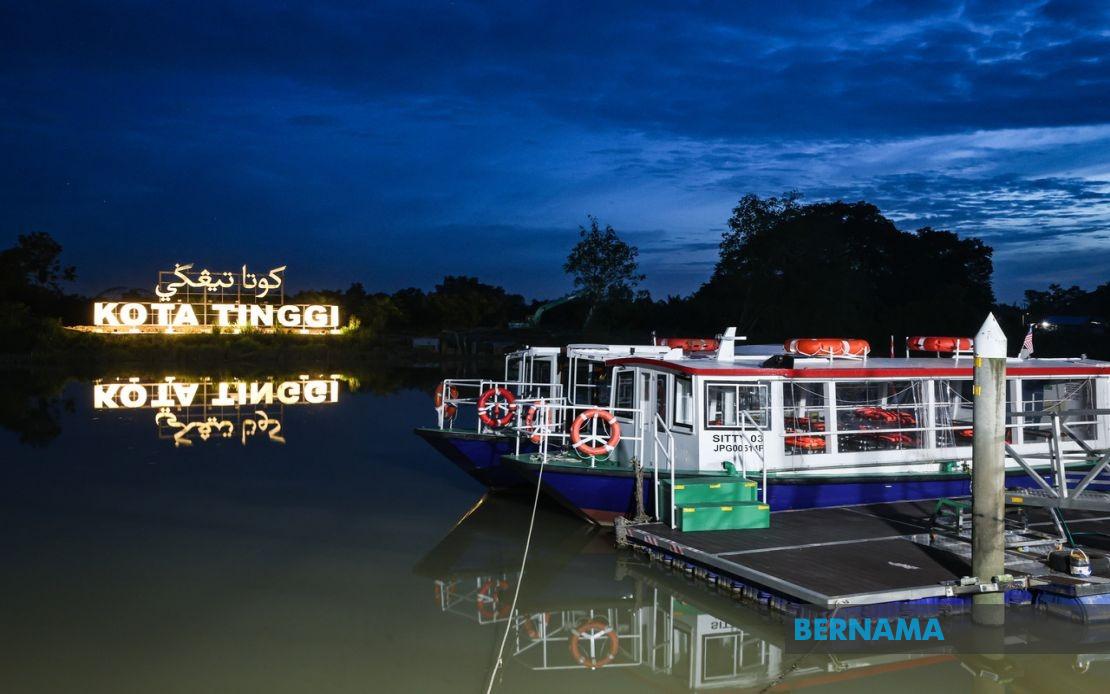
Sungai Johor has transformed into a living classroom where visitors can journey through centuries of Johor's imperial past while gliding past lush riverbanks that frame one of Malaysia's most historically significant waterways. The 6.7-kilometre Kota Tinggi River Cruise, departing from Pangkalan Kota Jetty, represents a carefully curated tourism venture that bridges cultural education with ecological appreciation, offering Malaysian and international travellers an intimate encounter with a region that shaped the peninsula's political trajectory.
The river holds profound significance in understanding how the Johor-Riau Sultanate flourished following Malacca's collapse in the 16th century. What once served as the commercial and administrative lifeline for early riverside settlements including Johor Lama and Kampung Makam—where several royal sultans were interred—now connects modern visitors to that storied past through a single boat journey. The waterway's importance extends beyond historical symbolism; it remains ecologically vital and economically valuable, anchoring both conservation efforts and community livelihoods in the region.
Operations manager Aiman Haikal Mohd Azmi has overseen remarkable growth since the cruise service launched, with visitor numbers exceeding 10,000 during the first seven months alone. This uptake reflects growing domestic interest in heritage tourism combined with increasing visitation from neighbouring Singapore, Indonesia, and Brunei, suggesting that Southeast Asian travellers are actively seeking authentic cultural experiences that transcend standard beach resort offerings. The demographic diversity indicates that Kota Tinggi's positioning as a heritage destination resonates across multiple markets and age groups.
The daytime cruises navigate past several photogenic landmarks that have become essential stops for cultural tourism. Titian Laksamana, a pedestrian suspension bridge, and the Johor River Barrage serve dual purposes as engineering landmarks and Instagram-worthy vantage points, blending practical infrastructure with visitor appeal. Throughout the approximately one-hour journey, passengers encounter narratives centred on legendary figures such as Sultan Mahmud Mangkat Dijulang and Laksamana Bentan, stories conveyed through either recorded audio guides or live interpretation by knowledgeable tour guides who contextualise the historical sites passing by the vessel.
The cruise experience offers more than passive observation. Passengers witness tangible remnants of historic riverside structures that, while weathered by centuries, still testify to the sophistication of pre-colonial and early colonial settlement patterns. Views of contemporary Kota Tinggi from the river perspective provide an unusual vantage point that locals and tourists alike rarely experience, creating a sense of discovery and geographic intimacy that land-based tourism cannot replicate.
As evening descends, KTRC's signature offering transforms entirely—the Mesmerising Fireflies package leverages the river's nocturnal ecology to showcase thousands of naturally bioluminescent insects that create an ethereal light show in the darkness. This experience taps into a form of nature-based tourism that has proven exceptionally popular across Southeast Asia, where firefly watching has become both a conservation tool and a revenue driver for rural communities. The juxtaposition of observing living natural phenomena in the context of historical sites creates a multisensory narrative about Johor's environmental and cultural continuity.
For visitors preferring dining experiences, KTRC operates a specialised Dining Cruise package that combines gastronomy with panoramic sightseeing, allowing passengers to savour local or regional cuisine while the landscape unfolds around them. This product diversification reflects modern tourism economics, where operators bundle experiences to appeal to varying preferences and budgets within the same customer base. The meal component also extends the journey's economic value, potentially incorporating local food suppliers and restaurants into the cruise ecosystem.
Operational scheduling demonstrates thoughtful capacity management. Weekday hours from 9 am to 7 pm accommodate business travellers and school groups, while Friday-to-Sunday extensions until 10 pm cater to weekend leisure visitors and tourists on longer stays. Hourly departures prevent bottlenecking while maintaining service frequency, a model increasingly adopted by successful Southeast Asian ecotourism operators. Pricing structure includes differentiated rates for adults, children, and seniors or disabled passengers, reflecting inclusive tourism principles that expand access beyond affluent demographics.
Ticket prices—ranging from RM20 for standard daytime adult tickets to RM23 for sunset and firefly experiences, with reductions for children and concessions—position the cruise as moderately affordable compared to competing attractions in Johor. The sunset and firefly packages command a modest premium reflecting their experiential exclusivity and time sensitivity, a pricing strategy that recognises the unique value proposition of natural phenomena tied to specific hours. Concession rates acknowledge socioeconomic accessibility, a consideration particularly relevant in Malaysia's diverse income landscape.
Aiman Haikal has articulated a broader vision connecting tourism development to ecosystem preservation and community benefit. Heritage and nature-based tourism products like the Johor River Cruise serve a dual function: they generate tangible economic returns through visitor expenditure while simultaneously creating incentives for riverine conservation. Local communities gain employment as guides, boatmen, and service providers, transforming the river from a potential liability requiring environmental remediation into an asset generating sustainable livelihood opportunities. This economic-ecological nexus aligns with Malaysia's broader ecotourism development objectives.
The success of Kota Tinggi River Cruise within Johor's Visit Johor 2026 framework indicates strategic state government recognition of heritage tourism's potential to diversify the region's economic portfolio beyond oil and gas sectors. Investment in such cultural attractions positions Johor as a multidimensional destination, appealing to visitors seeking history and nature rather than only beach resorts or commercial hubs. The cruise's performance metrics—visitor volume, demographic breadth, and operational sustainability—provide a template for similar initiatives across Malaysia's underutilised riverine assets.
Looking forward, the sustained viability of this venture depends on continued environmental stewardship alongside commercial operation. Water quality, biodiversity preservation, and sustainable carrying capacity management will determine whether the Johor River cruise remains a compelling experience for decades ahead. Balancing revenue generation with conservation requires coordinated governance between state tourism authorities, environmental regulators, and operators—a coordination challenge increasingly familiar across Malaysian tourism destinations facing growth pressures.

