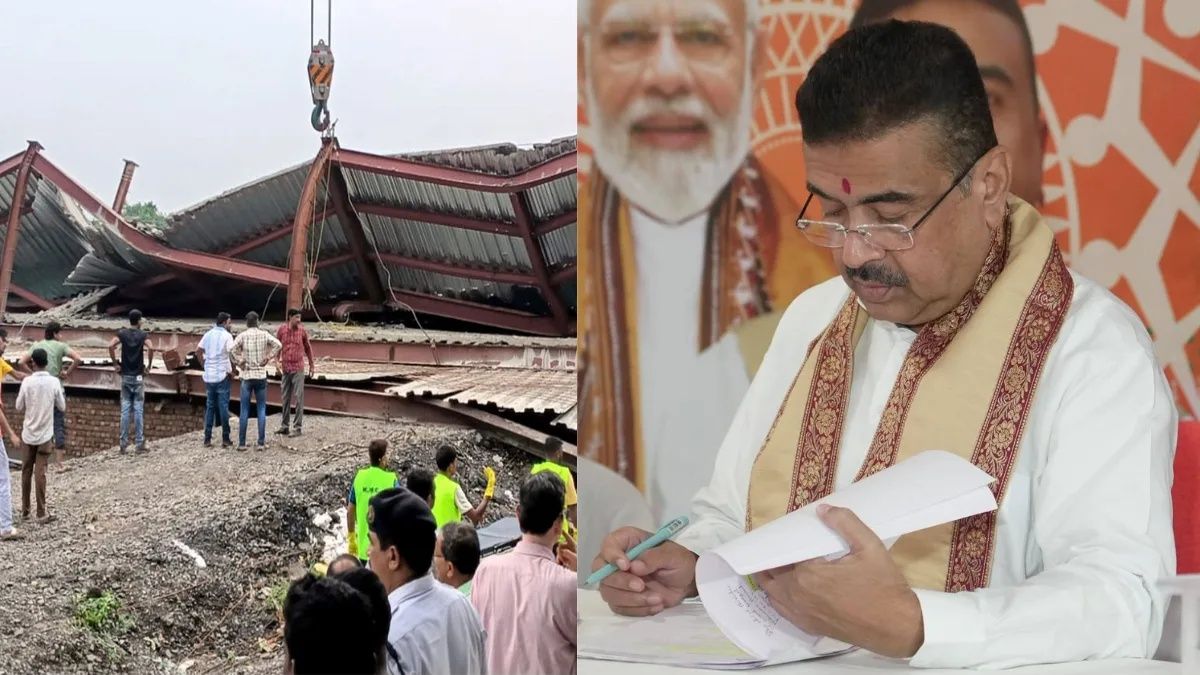
The rescue operation at the Taratala warehouse collapse site in Kolkata has entered its second day with the confirmed death toll now standing at 11, following the recovery of another victim on Thursday afternoon. The body was transported to the Trauma Care Centre at SSKM Hospital, though authorities have yet to identify the deceased. Concerns persist that additional workers remain trapped beneath the rubble, prompting continued intensive recovery efforts by multiple emergency response agencies.
The coordinated response to the disaster has involved personnel from the Indian Army, the National Disaster Response Force (NDRF), and various other agencies working in tandem. This multi-agency approach represents a significant mobilisation of resources and reflects the scale of the emergency unfolding in West Bengal's capital. The ongoing search and rescue operations underscore the uncertainty surrounding the full extent of casualties, as structural instability and the volume of debris continue to complicate extraction efforts and survivor location.
In a pointed assembly address, West Bengal Chief Minister Suvendu Adhikari launched a forceful critique of the previous Kolkata Municipal Corporation (KMC) administration, which was controlled by the Trinamool Congress (TMC) party. Adhikari presented documentary evidence suggesting that the warehouse construction plan had been approved despite containing significant structural deficiencies. He cited multiple documents, including signatures from former Mayor Firhad Hakim, to substantiate claims that the approval process had been compromised by serious irregularities and negligence in design assessment.
The Chief Minister's allegations extended beyond mere administrative oversight, with Adhikari suggesting that systemic corruption had permeated the approval mechanism. He alleged that illicit payments, colloquially referred to as "cut money," had become institutionalised within Kolkata's building administration, transforming the city into what he characterised as a "city of death." These assertions point to deeper governance failures that may have enabled unsafe construction practices to flourish unchecked across the municipal area for an extended period.
Investigative action has already commenced, with five individuals arrested in connection with the collapse. Those apprehended include the construction company's supervisor, the iron structure fabricator, the land lessee, a labour supplier and Trimex contractor, and a broker implicated in facilitating the building plan's approval by the KMC. However, the primary accused, identified as Azgar, remains at large, suggesting that the investigation is still in its early stages and additional developments may emerge as authorities pursue leads across multiple jurisdictions.
Respecting the role of rescue personnel, Adhikari commended both the army and the NDRF for their dedicated and professional response to the disaster. His acknowledgment of these agencies' efforts provided a rare moment of consensus in his otherwise scathing address, highlighting the crisis management capabilities that have been mobilised to address the immediate human tragedy.
In response to systemic failures exposed by the collapse, the Chief Minister announced a comprehensive four-week suspension of all ongoing construction activities across Kolkata and surrounding municipalities including Rajarhat-New Town, Maheshtala, Budge Budge, Pujali, Bishnupur, Sonarpur, and Baruipur. This moratorium, exempting only essential services infrastructure, represents an extraordinary measure aimed at preventing further disasters while authorities conduct urgent safety assessments. During this suspension period, every previously approved building plan in these jurisdictions will undergo rigorous scrutiny.
To oversee this unprecedented audit initiative, a high-level committee has been established under the direction of Additional Chief Secretary Rajesh Pandey. The committee composition reflects a desire for comprehensive technical expertise, incorporating senior government officials alongside representatives from leading institutions including IIT Kharagpur, Rail India Technical and Economic Service (RITES), Indian Railway Construction Limited (IRCON), the Fire Services Department, the Public Works Department, and the KMC itself. This multidisciplinary approach aims to identify systemic weaknesses and establish standards that transcend departmental silos.
The Chief Minister's statements regarding accountability demonstrate a commitment to proportionate consequences for those found responsible. Adhikari declared that conviction would result not merely in imprisonment but potentially in asset confiscation to fund victim compensation. This approach attempts to ensure that financial penalties extracted from guilty parties directly benefit those harmed, creating a mechanism for restitution that goes beyond conventional criminal justice remedies. The emphasis on zero tolerance reflects mounting public pressure to prevent recurrence of such preventable disasters.
For Southeast Asian readers, the Kolkata warehouse collapse serves as a sobering reminder of the risks posed by inadequate building governance across rapidly urbanising South Asian economies. Many nations in the region face similar challenges of balancing rapid infrastructure development with robust safety oversight, often under pressure from development timelines and competing budgetary priorities. Malaysia's well-established building control frameworks and periodic reviews of construction standards, while not immune to occasional lapses, provide relative safeguards compared to jurisdictions where enforcement mechanisms remain nascent or compromised.
The incident also highlights how political transitions in governance can create opportunities for comprehensive institutional reform. The new administration's aggressive audit approach and formation of multi-agency oversight committees demonstrate recognition that isolated enforcement actions prove insufficient when systemic corruption has become embedded in approval processes. This model of wholesale institutional review may offer insights for other jurisdictions considering reforms to their building administration systems.
As investigations proceed and the audit unfolds over coming weeks, the Taratala warehouse collapse will likely become a watershed moment in West Bengal's approach to construction regulation. The human cost—11 confirmed deaths with potential for additional casualties—underscores the fundamental stakes involved when building approval systems are compromised. For a region grappling with rapid urbanisation and development pressures, the incident represents a cautionary tale about the dangers of prioritising commercial interests over public safety.

