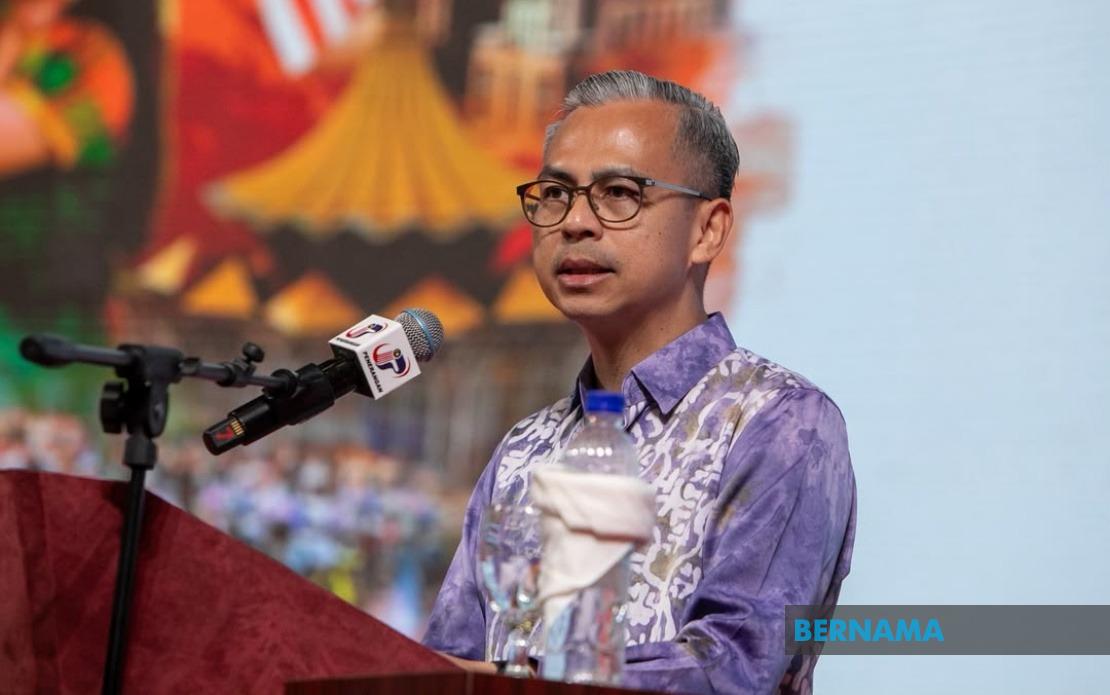
Communications Minister Datuk Seri Fahmi Fadzil has pledged that the Kembara Merdeka Jalur Gemilang (KMJG) convoy will retain its central role in fostering national patriotism and strengthening social cohesion across Malaysia in the coming years. Speaking at an event in Ipoh, Fahmi emphasised that the mobile outreach programme represents one of the most significant components of the nation's 2026 National Month and Malaysia Day calendar, scheduled under the overarching theme of "Malaysia MADANI: Kesejahteraan Dinikmati" (Malaysia MADANI: Shared Prosperity).
The initiative underscores the government's commitment to nurturing deeper emotional connections between citizens and their nation, particularly during commemorative periods when public sentiment gravitates towards reflection and renewal of national bonds. The KMJG convoy, through its touring format, enables direct engagement with communities across diverse regions, translating abstract ideals of patriotism into tangible, lived experiences for ordinary Malaysians. This grassroots approach acknowledges that national unity cannot be constructed solely through top-down proclamations but requires sustained, visible commitment from leadership and repeated reinforcement through community participation.
Fahmi stressed that despite operating within carefully calibrated budgetary constraints, the government remains unwavering in its dedication to elevating patriotic consciousness and deepening public understanding of Malaysia's independence journey. The approach reflects a broader policy pivot towards responsible stewardship of public resources while maintaining the symbolic and emotional weight of national celebrations. In an era of economic pressures and competing demands on state finances, this balance between austerity and patriotic purpose carries particular significance for how citizens perceive government priorities.
The "One House, One Jalur Gemilang" initiative will receive renewed emphasis as part of this broader campaign, encouraging households nationwide to display the national flag as a visible manifestation of sovereignty, collective identity, and national pride. This domestic-level mobilisation strategy converts private spaces into public statements of allegiance, creating a distributed network of patriotic expression across the country. The initiative's appeal lies partly in its accessibility—flag-flying requires minimal financial outlay while delivering maximum symbolic impact, democratising participation in national expression.
Prime Minister Datuk Seri Anwar Ibrahim formally inaugurated the 2026 National Month and Fly the Jalur Gemilang campaign at the Sultan Azlan Shah Ministry of Health Training Institute (ILKKM SAS) in Tanjung Rambutan, Perak, lending executive authority and visibility to the programme. The prime ministerial presence signalled government-wide alignment on these patriotic objectives, reinforcing their status as policy priorities rather than peripheral cultural exercises. The involvement of National Unity Minister Datuk Aaron Ago Dagang further highlighted the interconnection between national celebrations and the broader portfolio of social cohesion, suggesting that patriotic exercises serve instrumental purposes beyond ceremonial commemoration.
Perak Menteri Besar Datuk Seri Saarani Mohamad's participation reflected the state-level integration of these national campaigns, acknowledging that effective patriotic messaging requires coordination across federal and state administrative structures. This multi-tiered governmental engagement demonstrates recognition that national identity cannot be constructed in isolation from local and regional contexts. Perak's selection as the launch venue carries symbolic weight, positioning the state as a representative location for nationwide patriotic mobilisation while ensuring that peripheral regions receive comparable attention and resources.
The thematic framework of "Malaysia MADANI: Shared Prosperity" provides an ideological foundation connecting patriotism with economic and social welfare concerns. This integration moves beyond sentiment-focused nationalism towards linking national pride with tangible improvements in citizen wellbeing. The messaging suggests that patriotism in the Malaysian context is not divorced from pragmatic considerations of development, distribution of resources, and improvement of living standards. For citizens experiencing economic pressures, this framing may render patriotic appeals more resonant by grounding them in material concerns rather than abstract principles.
The timing of these celebrations during August, coinciding with Malaysia Day on September 16, represents a strategic calendar placement for civic engagement. The extended period allows sustained messaging and multiple touchpoints for public participation, maximising exposure to patriotic narratives and opportunities for flag-flying and convoy attendance. The deliberate sequencing of national month observances throughout the year serves broader social engineering purposes, maintaining consistent channels for state-directed patriotic messaging while normalising public participation in officially-sanctioned national expression.
For Southeast Asian observers, Malaysia's approach to patriotic mobilisation reflects broader regional patterns where governments utilise periodic national celebrations as mechanisms for managing social cohesion amid pluralistic societies. The KMJG convoy model offers a template for other nations navigating similar challenges of maintaining unity across diverse ethnic, religious, and socioeconomic constituencies. The emphasis on inclusive symbolism (flags, shared celebrations) over exclusionary ideology suggests a calculated approach to patriotism that attempts to accommodate multiple identity groups within a singular national framework.
The government's sustained investment in these initiatives during fiscally constrained periods underscores the perceived political importance of patriotic expression management. Even as budgets tighten and economic pressures mount, maintaining robust national celebration infrastructure remains prioritised, suggesting that policymakers regard social cohesion as fundamental infrastructure deserving protection. This perspective carries implications for how Malaysia navigates future economic downturns, as patriotic programming may serve counterbalancing functions when material grievances threaten social stability.
For Malaysian citizens and residents, these developments signal a multi-year commitment to patriotic mobilisation and national pride cultivation through 2026. The initiatives create opportunities for participation across income levels and geographic locations, though effectiveness in deepening genuine national consciousness beyond symbolic compliance remains an open question. The emphasis on distribution of patriotic messaging and inclusive participation mechanisms suggests awareness that authentic nation-building requires reaching beyond urban centres and elite constituencies to encompass marginalised communities where national attachment may be contested or conditional.

