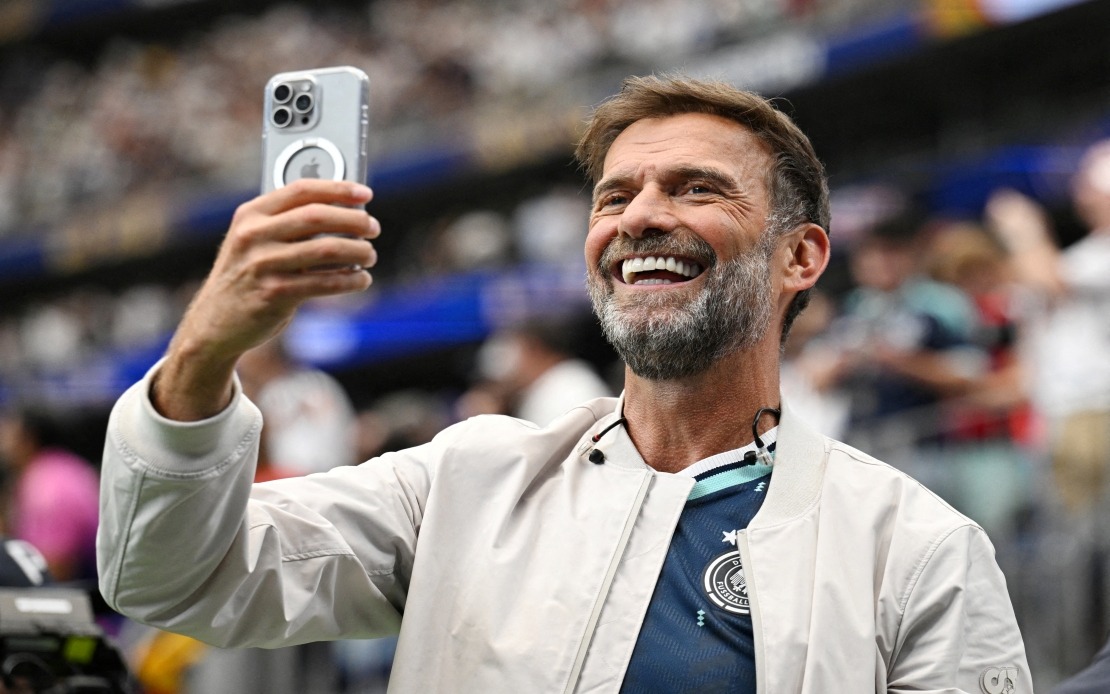
Jürgen Klopp has confirmed he is actively negotiating with the German Football Federation (DFB) regarding the vacant national team coaching position, a role that became available following Julian Nagelsmann's resignation in the wake of Germany's disappointing World Cup campaign. Speaking on MagentaTV from New York, the former Liverpool and Borussia Dortmund manager indicated his interest in the prestigious position while acknowledging that finalising any agreement will require considerable time and detailed discussions.
Nagelsmann stepped down after nearly three years in charge, with his departure coming after Germany's shock elimination from the World Cup at the last-32 stage on penalties against Paraguay. The timing of the vacancy has thrust the DFB into recruitment mode during the football calendar, and Klopp's availability presents a high-profile option for the federation's leadership. The 57-year-old's pedigree in European football, combined with his familiarity with German football culture and systems, makes him an intuitively attractive candidate for German football observers.
Klopp's current professional status is notably different from his previous roles managing elite clubs. He left Liverpool in the summer of 2024 and has since assumed the position of Head of Global Soccer at Red Bull, a portfolio role that keeps him engaged with football strategy without the day-to-day pressures of team management. His departure from Anfield came after an extended tenure during which he restored Liverpool's competitive standing in English and European football. The Red Bull position has allowed him considerable breathing room, and by his own assessment, he is now sufficiently restored both mentally and physically to pursue a new challenge.
Crucially, Klopp emphasised that any move to the Germany job will not be straightforward given his existing contractual obligations to Red Bull, with his current agreement extending until 2029. He has already consulted with his Red Bull supervisor Oliver Mintzlaff about the possibility of departing early, signalling that both parties recognise the potential appeal of the opportunity while respecting the commercial and professional relationships involved. The complexity of untangling these arrangements suggests that any formal announcement remains weeks away, despite Klopp's expressed willingness to pursue the role.
The substance of what Klopp intends to address if appointed reveals his analytical perspective on Germany's current predicament. Rather than attributing the team's problems to Nagelsmann's personal failings, Klopp suggested that deeper structural issues require examination. He was generous in his assessment of Nagelsmann, describing him as an "extraordinary coach" and implicitly suggesting that circumstances rather than incompetence led to the resignation. This diplomatic framing indicates Klopp understands that German football faces systemic challenges beyond what any single manager can resolve through tactical adjustments alone.
Klopp's emphasis on requiring "intensive talks" with the DFB reflects his awareness that the German national team project demands comprehensive understanding of the federation's strategic direction, player development systems, and the broader context of German football's evolution. The World Cup exit to Paraguay represents not merely a tactical failure but a failure of preparation and perhaps selection philosophy. Klopp's insistence on extensive dialogue before committing suggests he will not accept the position without clarity on the federation's willingness to implement changes he deems necessary.
For Southeast Asian observers, particularly those in Malaysia, Klopp's potential appointment carries broader implications for global football management. His tenure at Liverpool demonstrated how a visionary coach from continental Europe could reinvigorate a historically significant club through systematic approach to recruitment, development, and competitive philosophy. Should he take the Germany job, his methods and ideas would once again shape a major football nation during a rebuilding phase. His previous success at Dortmund and Liverpool suggests he brings not merely tactical expertise but also the capacity to rebuild institutional confidence and team identity.
The DFB's approach to Klopp represents an acknowledgment that Germany's recent underperformance requires experienced, stabilising leadership. Unlike some national football associations that pursue dramatic overhauls with untested or unconventional appointments, the federation appears to be prioritising proven world-class experience. Klopp's track record in reviving struggling projects and his ability to command respect across different football cultures make him a relatively low-risk choice for an organisation seeking to restore its standing.
The financial and contractual negotiations ahead will test both Klopp's commitment to the role and the DFB's determination to secure his services. Red Bull's willingness to release Klopp early will likely depend on the terms offered and the compensation provided. However, given Klopp's status as a global football figure and the Germany position's prestige, such negotiations are typically resolved when both parties recognise mutual benefit. The DFB will need to offer competitive terms, while Klopp must believe the challenge merits departing from his Red Bull role.
Klopp's stated objective that all parties emerge from negotiations as "winners" reveals his pragmatism about balancing competing interests. He recognises that Red Bull's corporate reputation must remain intact, suggesting he will not attempt to exit his contract on unfavourable terms that might harm the energy drinks company. This diplomatic approach contrasts with coaches who prioritise personal ambition above all other considerations, and it may actually facilitate a smoother transition if all parties genuinely wish to reach agreement.
The timeline for resolution remains uncertain, with Klopp indicating that substantial dialogue must precede any formal announcement. However, the football calendar's demands may accelerate negotiations, as the DFB will want to establish new management well before the start of qualification campaigns for major tournaments. Whether Klopp's readiness translates into formal appointment within weeks or months will depend on how quickly comprehensive discussions with the federation can proceed and whether Red Bull accommodations can be arranged to everyone's satisfaction.

