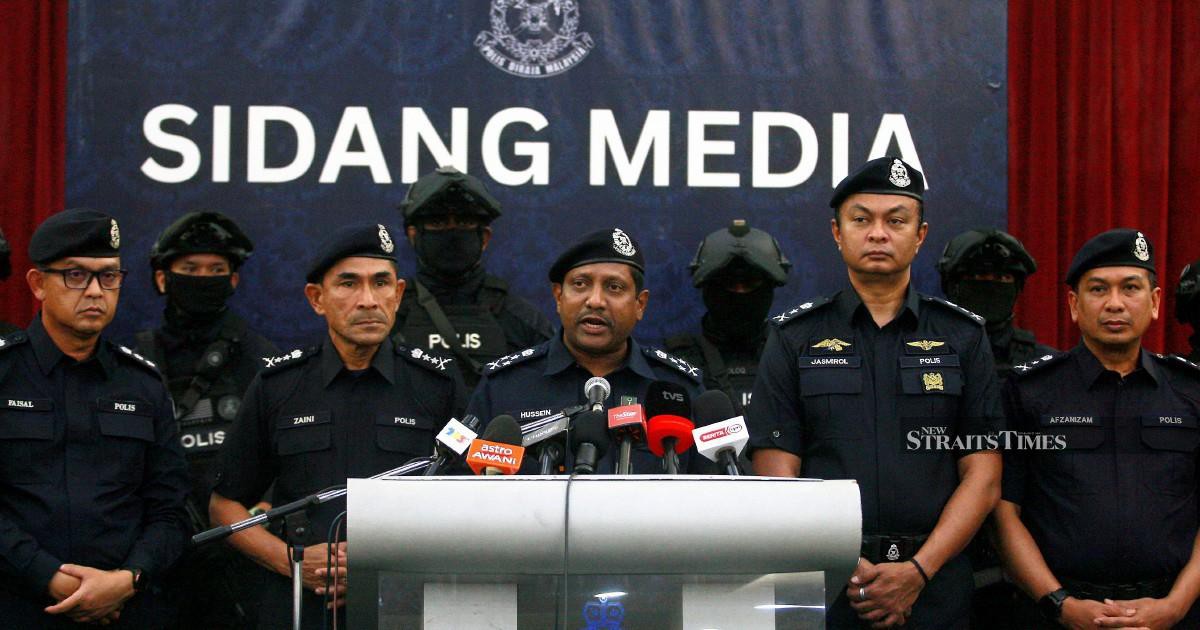
Police are actively pursuing leads in the drug trafficking case involving a Malaysian pilot arrested in Jakarta, with officers questioning personnel at Kuala Lumpur International Airport as part of their expanding inquiry. The questioning of the KLIA staff member represents a critical phase in the investigation, signalling that authorities are examining whether airport employees may have facilitated or had knowledge of the alleged drug operation. However, investigators remain cautious about drawing conclusions, emphasising that it remains premature to determine whether the incident involved collusion or assistance from individuals working within the airport's operations.
The case has placed a spotlight on security vulnerabilities within one of Malaysia's busiest transportation hubs. KLIA, serving as the primary international gateway for the country, handles millions of passengers and vast quantities of cargo annually. The questioning of airport staff suggests that police are systematically examining whether standard procedures were circumvented or whether any airport employee possessed information that could have enabled the alleged smuggling attempt. This proactive approach reflects the seriousness with which authorities are treating the matter.
Investigators are exploring multiple dimensions of the case, including how the pilot may have obtained the drugs, the route the narcotics took before boarding, and whether any systematic network exists that could endanger Malaysia's international reputation. The pilot's position within the aviation industry granted him access to restricted areas of the airport and knowledge of security protocols, factors that make determining whether he acted alone or with assistance particularly significant. If insider involvement is eventually proven, it would represent a serious breach of aviation security protocols.
The broader implications for Malaysia's aviation sector are substantial. Malaysia Airlines, despite its operational challenges in recent years, must maintain stringent security standards to protect its reputation and ensure passenger confidence. Any suggestion of drug trafficking involving airline personnel can damage the carrier's standing internationally and undermine Malaysia's position as a reliable aviation destination. Authorities are therefore motivated to conduct a thorough investigation that addresses not only the individual pilot's conduct but also identifies any systemic vulnerabilities.
The arrest in Jakarta highlights the transnational nature of drug smuggling operations in Southeast Asia. Jakarta serves as a major regional hub, and the discovery there of a Malaysian national with illicit substances suggests that trafficking networks operate seamlessly across borders, exploiting the region's interconnected transportation systems. The involvement of aviation personnel demonstrates that organised criminals are actively targeting individuals with sector-specific access who can facilitate movement of prohibited materials.
Police have not publicly disclosed what quantity or type of drugs were allegedly found in the pilot's possession, nor have they announced formal charges. The scope of the investigation remains fluid, with authorities potentially examining connections between the pilot and known narcotics trafficking groups. Intelligence agencies throughout Southeast Asia maintain databases of suspected smugglers and trafficking networks, and Malaysian police are likely coordinating with Indonesian counterparts and regional security agencies to establish whether this incident represents an isolated occurrence or part of a larger operation.
The questioning of KLIA staff also reflects standard investigative protocol when aviation personnel are implicated in crime. Airport employees range from ground crew and security officers to administrative staff, each occupying different positions within the facility's access hierarchy. Investigators must determine which employees had contact with the pilot, knowledge of his movements, or access to areas where contraband could have been concealed or transferred. Such questioning is not inherently indicative of guilt but rather part of establishing the factual timeline and circumstances surrounding the alleged offence.
For airport operations and aviation security generally, this case underscores the critical importance of robust screening procedures and employee vetting. Malaysia's civil aviation authority will likely conduct its own review of security protocols at KLIA, examining whether existing measures adequately prevent unauthorised movement of prohibited items through airport terminals and cargo facilities. International aviation bodies monitor such incidents closely, as breaches in airport security can trigger recommendations for enhanced scrutiny of Malaysian carriers and facilities.
The investigation's eventual outcome will depend on forensic evidence, communications records, and witness testimony. Authorities must establish not merely that the pilot possessed drugs, but whether he obtained assistance, how he transported them, and whether he intended to distribute them locally or internationally. These details will determine the severity of charges and whether additional individuals face prosecution. Until investigators present their findings, maintaining confidentiality is essential to preserve the integrity of the case and ensure a fair judicial process.

