Malaysian border and security officials are facing scrutiny after a Malaysia Airlines pilot was detained in Jakarta with narcotics while his luggage had reportedly passed routine screening at Kuala Lumpur International Airport without raising suspicion. The incident has prompted internal reviews into whether existing protocols at KLIA adequately detect prohibited substances and paraphernalia, particularly among flight crew members who typically receive less intensive examination than ordinary passengers.
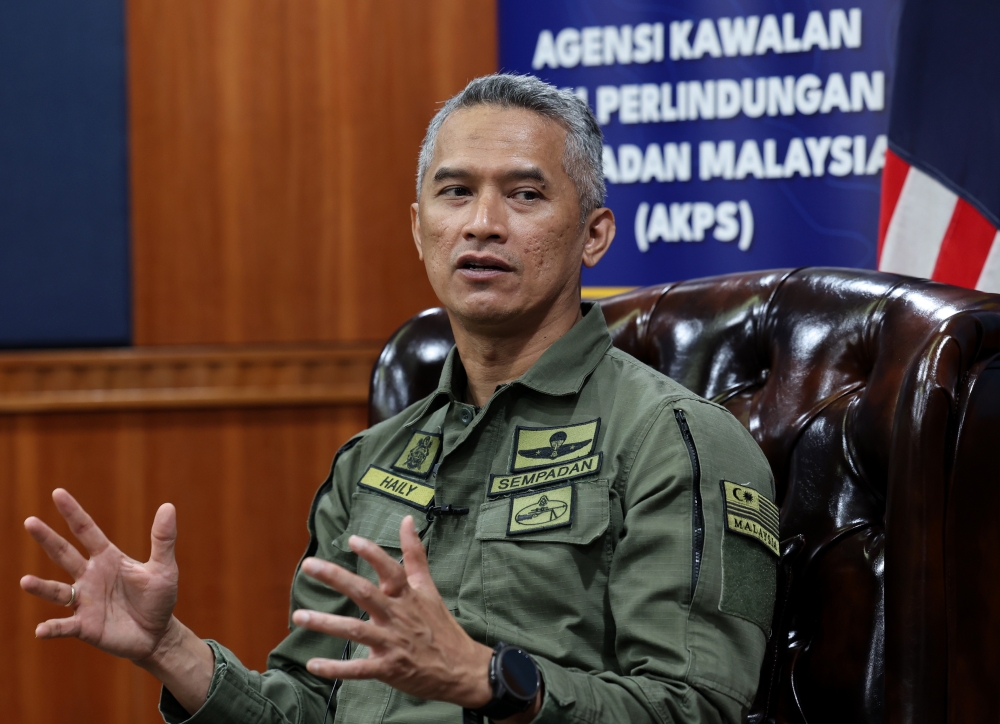
The chief of Malaysia's border agency has stated that inspection procedures at KLIA found nothing alarming during the standard baggage check before the pilot's departure. This disclosure suggests that either the substances were concealed with sophisticated methods that evaded detection equipment, or the screening protocols themselves may require enhancement to catch such contraband. The timing of the arrest—occurring only after the pilot had already travelled to Indonesia—raises questions about the effectiveness of outbound screening measures and whether additional layers of security should be implemented for aviation personnel.
Malaysia Airlines has initiated its own investigation into the incident, examining staff conduct and whether any procedural lapses occurred at its operations level. The airline faces potential reputational damage and regulatory consequences, as international aviation bodies scrutinize security practices at major hubs. For Malaysian carriers operating across Southeast Asia, where drug trafficking enforcement has intensified in recent years, such incidents undermine public confidence and invite heightened oversight from aviation authorities across the region.
The arrest also highlights broader challenges facing Malaysian border security at a major international gateway. KLIA processes tens of thousands of passengers daily, and balancing thorough security screening with operational efficiency remains an ongoing tension. While detection technology has advanced significantly, human factors and the evolving sophistication of smuggling methods mean that no screening system achieves perfect interception rates. However, when aviation crew members are involved, the stakes become elevated, as they represent a potential vulnerability in supply chain security for illicit substances moving across international routes.
Southeast Asian nations have ramped up cooperation on drug enforcement in recent years, with countries like Indonesia adopting increasingly stringent penalties for trafficking. Malaysia's position as a regional aviation hub means it frequently interacts with these enforcement regimes. The incident underscores how an individual's actions can have cascading implications for institutional credibility and bilateral relations, particularly given Indonesia's well-documented stance on narcotics violations.
The investigation into KLIA procedures will likely examine whether crew members benefit from expedited screening processes that might inadvertently create blind spots. Many international airports provide fast-track lanes for airline personnel, balancing convenience with security considerations. If the pilot utilised such facilities, authorities may need to recalibrate the trade-offs between operational efficiency and rigorous inspection standards. Enhanced random screening protocols or technology upgrades could be recommended as preventive measures.
For Malaysia's aviation industry, already navigating complex international regulations and safety standards, this incident represents an additional compliance burden. Domestic carriers must now contend with heightened external scrutiny from foreign regulators and potential strengthening of internal vetting procedures for flight crews. Some airlines may implement additional pre-departure checks or require certification programmes to ensure staff awareness of contraband regulations and consequences across their operating jurisdictions.
The case also reflects wider patterns of drug trafficking through Asia-Pacific aviation networks. Law enforcement agencies across the region have documented instances where flight crew members have been exploited or engaged in smuggling due to financial pressures or coercion. Understanding the motivations behind such incidents—whether opportunistic, coerced, or organised—remains crucial for developing targeted intervention strategies. Malaysian authorities will likely examine the pilot's background, financial circumstances, and any potential connections to trafficking networks.
International aviation bodies, including those under ICAO frameworks that Malaysia participates in, may use this incident as a case study for developing better security harmonisation standards. Sharing intelligence about vulnerabilities in screening protocols helps the broader region strengthen collective defences. Malaysia's willingness to conduct transparent investigations and publicly discuss findings demonstrates commitment to international security norms, though it also invites scrutiny of existing practices.
The broader implications extend to passenger confidence and Malaysia's standing as a secure, professionally managed aviation hub. Perceptions of security lapses, even when technical systems functioned as designed, can influence traveller behaviour and airline choice. Airlines competing in the region must therefore balance reassuring passengers about safety protocols while maintaining operational viability in an increasingly cost-competitive market.
Moving forward, KLIA authorities and Malaysia Airlines will need to demonstrate concrete improvements in screening and monitoring procedures. This might include enhanced training for border personnel, updated detection technology, or refined risk-assessment frameworks specifically targeting aviation crew. The incident serves as a reminder that security effectiveness depends not on any single measure, but on integrated systems, human vigilance, and continuous adaptation to emerging threats and smuggling methodologies.

