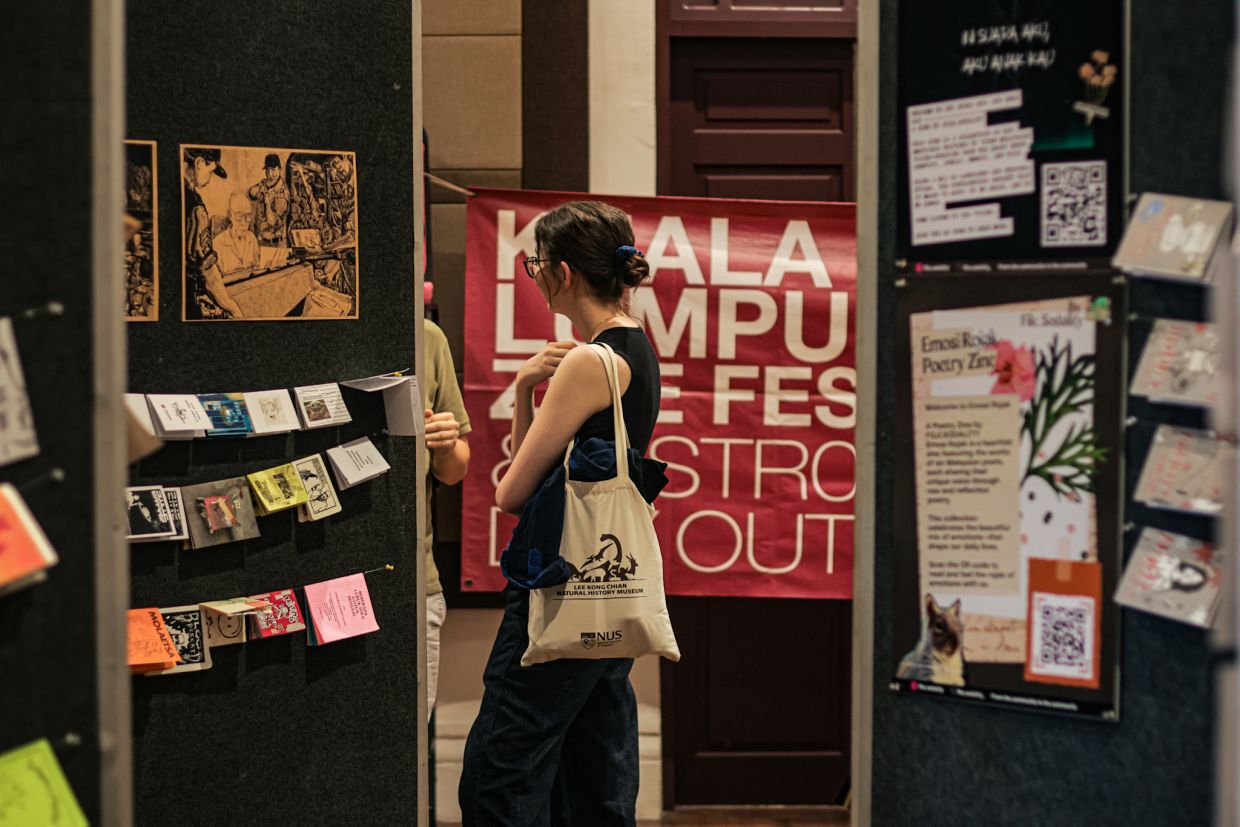
The KL Zine Etc festival is returning to cement its place as one of Malaysia's most important independent arts events, occupying the ground floor of a historic trade hall in the capital for its much-anticipated second edition. The expansion from last year's inaugural gathering signals the growing appetite among Malaysian audiences for alternatives to mainstream publishing and commercial art venues, reflecting a broader shift towards grassroots creative expression in the region.
This year's iteration has swelled considerably, now hosting more than 50 vendors compared to the original 30, drawing together a diverse ecosystem of zinesters, self-published authors, printmakers and visual artists. The festival celebrates the merdeka spirit—independence in both literal and creative senses—that has historically animated zine culture worldwide. Participants range from established names to emerging voices, all united by a commitment to DIY ethos and artistic autonomy outside traditional commercial channels.
The curatorial direction for 2024 takes on particular significance through its anti-war messaging and thematic focus on what organisers term 'ceasefire zones'. This conceptual framework extends beyond conventional understanding of conflict to encompass the internal struggles individuals face—the psychological and ideological battles that shape personal identity and social relationships. By framing the festival around this expansive vision of peace, the KLZE team invites visitors to engage with zines not merely as artistic objects but as tools for dialogue, healing and mutual understanding.
The three-day programme encompasses far more than static vendor booths. Festival-goers can attend targeted workshops exploring zine production techniques, participate in film screenings that complement the anti-war theme, and experience live music performances. An exhibition anchoring the anti-war narrative serves as the festival's conceptual centrepiece, establishing the tone for deeper conversations about conflict, reconciliation and alternative futures. This programming strategy ensures the event functions as an active forum rather than a passive marketplace.
The thematic choice deliberately responds to contemporary global turbulence while remaining introspective about psychological and ideological dimensions of conflict. Organisers explicitly stated their intention to establish spaces where vendors and participants could construct their own 'ceasefire zones'—intimate environments for reading, reflection and meaningful exchange. This language suggests a philosophy that positions independent publishing as inherently political and therapeutic, capable of mediating between individuals and communities during fraught times.
The curatorial selection demonstrates remarkable breadth. Represented topics include contemporary fanzine practices, punk aesthetics and history, folk narratives and oral traditions, indigenous activism and advocacy, sequential art and comics, environmental justice, feminist discourse and even role-playing game communities. This catholicity reflects how zine culture has evolved from marginal subculture into a genuine umbrella movement encompassing virtually every social concern and creative discipline.
Who participates matters tremendously. Returning and new vendors create a balance between continuity and novelty—attendees encounter familiar names alongside fresh voices. The roster includes established outlets such as Otter Is Reading and Tokosue alongside politically engaged spaces like Paulitical Art and newer collectives such as Cari Gadoh. This mix ensures the festival remains dynamic and unpredictable while maintaining institutional memory and credibility.
Crucially, KLZE has established itself as genuinely national in scope. Participating publishers hail from across Malaysia's peninsula and Borneo states—Kedai Hitam Putih from Kelantan, Pipit Press from Melaka, Shuren Press from Johor, Olivia JD from Sarawak, and Borneo Komrad from Sabah among others. This geographic distribution reveals an independent publishing infrastructure that extends well beyond Kuala Lumpur's centre, suggesting vibrant local scenes and creator communities throughout the country that rarely receive mainstream attention or institutional support.
The festival's regional ambitions extend across Southeast Asia and beyond. Creators from Singapore, Indonesia, the Philippines, Hong Kong, China, Myanmar and Taiwan converge on Kuala Lumpur, transforming the event into a genuine international meeting point for alternative publishing communities. For Malaysian attendees, this means direct exposure to Southeast Asian perspectives often filtered through colonial English-language publishing establishments. The gathering facilitates organic, artist-to-artist exchange that circumvents traditional gatekeepers.
Language diversity undergirds this regional vision. Festival offerings span Bahasa Malaysia, English, Mandarin Chinese and other languages, mirroring the actual linguistic reality of Southeast Asian independent publishing. This multilingual approach resists English-language dominance while acknowledging the practical reality that Southeast Asian creators work across multiple linguistic contexts. For Malaysian visitors unfamiliar with regional zine scenes, navigating Chinese-language publications alongside Indonesian and Filipino work provides genuine cultural education.
Practical accessibility matters to the festival's philosophy. Entry costs just RM10, with each ticket including a RM5 voucher towards zine purchases. This pricing structure acknowledges that independent publishers operate on razor-thin margins while ensuring the festival remains accessible to students, precarious workers and others on modest incomes. The voucher system creates a circular economy within the festival grounds, encouraging spending on independent work rather than corporate merchandise.
The organisers articulate an unpretentious vision focused on creating meeting spaces rather than chasing growth or prestige. They emphasise fostering meaningful friendships and exchanges that might catalyse future collaborations among independent creators across borders. This ethos contrasts sharply with festival cultures driven by sponsorship acquisition, ticket inflation and international prestige-seeking. Instead, KLZE positions itself as fundamentally about human connection and creative solidarity.
For Southeast Asian independent publishers, artists and readers, KL Zine Etc represents something increasingly rare—a well-resourced, thoughtfully curated gathering that privileges alternative voices and grassroots creativity while maintaining authentic connections to broader movements for artistic freedom and political expression. As corporate consolidation continues to narrow mainstream publishing options, festivals like this become ever more essential to maintaining diverse creative ecosystems.

