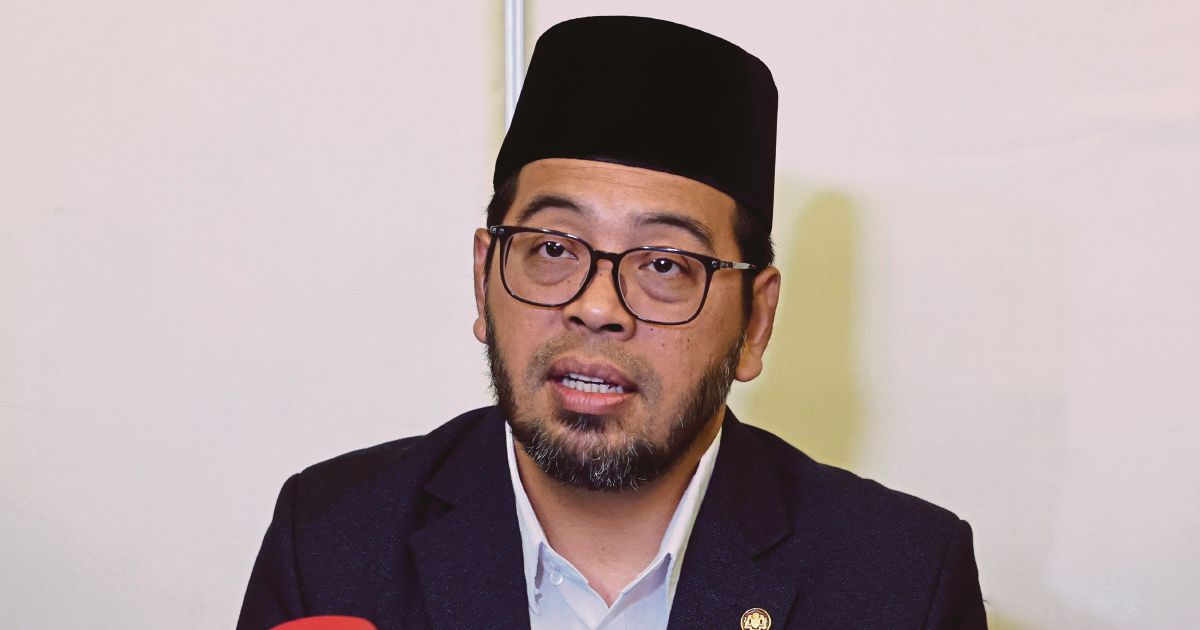
His Majesty Sultan Ibrahim, King of Malaysia, has mandated that all investigations stemming from the Royal Commission of Inquiry report on Lembaga Tabung Haji must proceed with complete comprehensiveness and transparency, without any relaxation of standards or accountability measures. The royal directive signals the monarchy's commitment to ensuring that whatever wrongdoings or systemic failures identified in the commission's findings are pursued rigorously and brought to proper resolution through established legal channels.
The Lembaga Tabung Haji, Malaysia's pilgrimage savings fund that manages billions of ringgit belonging to millions of Muslim savers preparing for the hajj, has faced mounting scrutiny in recent years over governance failures and financial irregularities. The establishment of the Royal Commission of Inquiry reflected growing public concern and parliamentary pressure regarding how the institution had managed pilgrim funds, particularly during periods when investment returns deteriorated sharply and management decisions came under intense criticism.
The RCI's mandate involved examining the totality of Tabung Haji's operations, financial management, corporate governance structures, and decision-making processes that contributed to its financial difficulties. By ordering comprehensive investigations into the commission's findings, the King has essentially endorsed the RCI's work while demanding that whatever conclusions it reached be pursued without political interference, bureaucratic delay, or selective prosecution. This distinction between political manipulation and institutional accountability is particularly significant in Malaysia's context, where high-profile corruption investigations have sometimes been criticised as lacking independence.
The emphasis on transparency in the directive carries particular weight for a fund that operates in the sacred trust of millions of Malaysian Muslims who contribute to Tabung Haji to fulfil one of Islam's five pillars. These savers—often working-class and middle-income Malaysians—depend entirely on institutional integrity and proper stewardship of their accumulated savings. When such foundational institutions lose credibility through poor governance or suspected mismanagement, the damage extends beyond financial losses to fundamental trust in state institutions more broadly.
The royal order also carries implications for how Malaysia's regulatory and law enforcement agencies coordinate their activities. Multiple bodies potentially have jurisdiction over different aspects of Tabung Haji's operations—the Malaysian Anti-Corruption Commission, the Securities Commission, the Financial Services Act authorities, and ordinary police investigations into potential fraud or criminal breach of trust. The King's directive implicitly demands that these agencies work cohesively toward a unified investigative outcome rather than operating in silos or allowing bureaucratic turf wars to impede progress.
For Southeast Asian observers, Malaysia's approach to investigating such high-profile institutional failures reflects broader regional challenges around governance reform. The extent to which countries can investigate state-linked entities without allowing political considerations to override factual inquiry remains a critical test of institutional independence. The King's unambiguous emphasis on comprehensiveness and transparency suggests a determination to move beyond mere cosmetic investigations that might satisfy public concern temporarily without addressing underlying systemic problems.
The timing of the royal directive also matters considerably. As Malaysia navigates complex economic conditions and seeks to restore international investor confidence following various governance controversies, demonstrating effective institutional accountability for a major government-linked company becomes strategically important. Foreign investors and rating agencies increasingly factor governance quality into their assessments of country risk. A thorough, transparent investigation into Tabung Haji sends a signal that Malaysia takes institutional failures seriously rather than permitting them to be buried through political patronage or administrative inertia.
For Tabung Haji's millions of members scattered across Malaysia, the royal directive offers some reassurance that their concerns about fund management will not be dismissed or minimised. Many members have voiced frustration over years about declining investment returns and what they perceived as insufficient management accountability. The King's explicit ordering of comprehensive investigations acknowledges these legitimate grievances and commits the highest authority in the land to ensuring they receive serious institutional attention.
The phrase "no compromise" in the royal directive merits particular emphasis, as it suggests the King is unwilling to accept half-measures or partial accountability that might protect certain individuals or institutions from scrutiny. This formulation indicates that investigators should follow evidence and facts wherever they lead, regardless of the seniority, political connections, or institutional position of those potentially implicated. Such clarity from the highest authority helps establish parameters for investigators who might otherwise face pressure to limit investigations' scope or conclusions.
Moving forward, the practical implementation of this royal directive will depend on how Malaysia's investigative and prosecutorial agencies interpret and execute it. Building the capacity for truly comprehensive investigations—gathering financial evidence, analysing complex transactions, interviewing witnesses, and constructing coherent narratives of institutional failure—requires sustained resources and expertise. The King's order establishes the political and institutional expectation; successful execution now depends on the competence and integrity of the agencies tasked with implementation.

