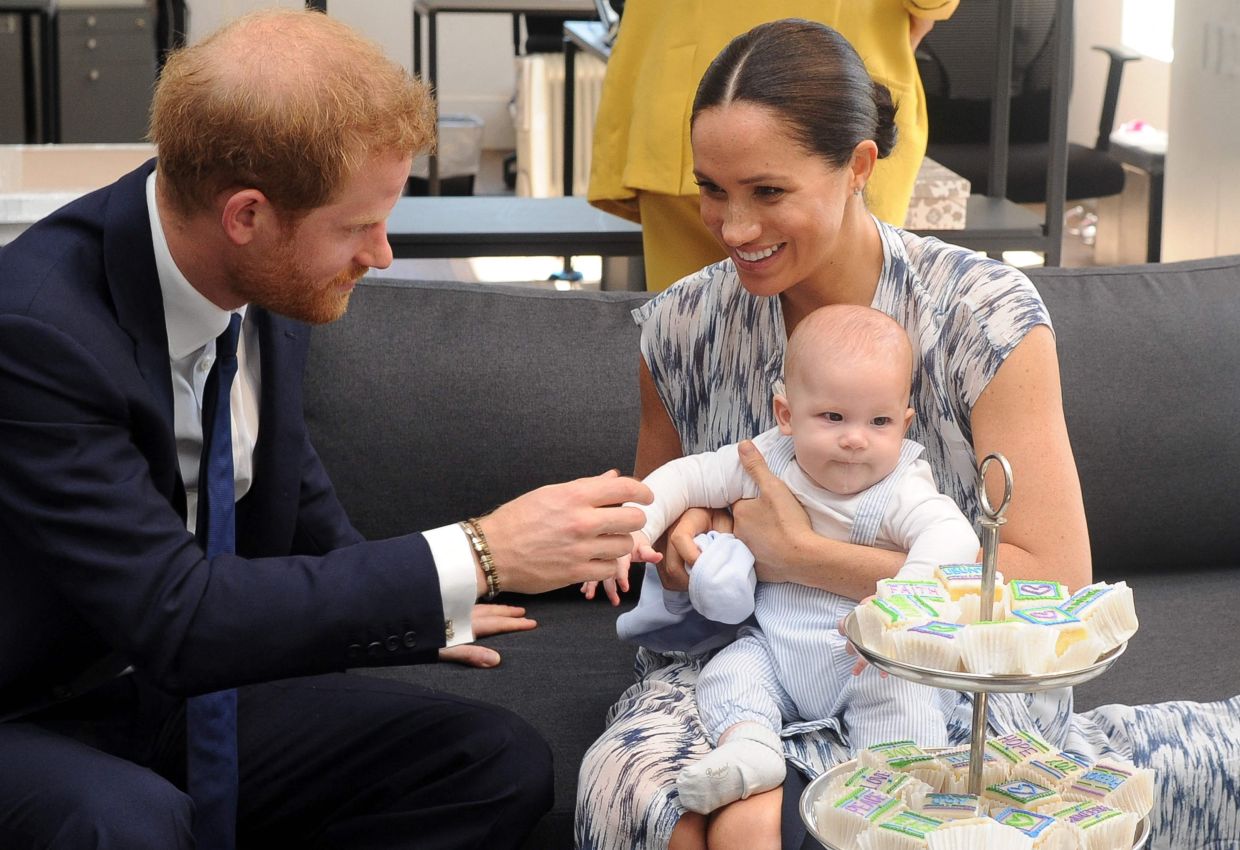
King Charles III opened the doors of Highgrove House to Prince Harry and his immediate family this week, marking a significant milestone in efforts to rebuild relationships fractured by his youngest son's departure from royal life. The gathering at the sprawling country estate west of London brought together the monarch, Queen Camilla, Prince Harry, Meghan Duchess of Sussex, and their two children, Prince Archie and Princess Lilibet, in what palace officials confirmed was a closely held private occasion. The reunion carries symbolic weight beyond the immediate family dynamics, representing a potential thaw in one of the contemporary monarchy's most publicised rifts.
Harry's arrival in Britain earlier in July had sparked intense speculation across British media about whether such a meeting would materialise. The prince came home to fulfil commitments for several charitable endeavours, yet these professional obligations quickly became secondary to questions about potential family reconciliation. Tabloid newsrooms and broadcast studios spent days dissecting the likelihood of various scenarios—would Meghan attend, would the children come, and could the fractious relationships be set aside, even temporarily? The uncertainty reflected the genuine unpredictability that has characterised the Windsor family's public struggles since Harry and Meghan stepped away from royal duties and relocated to California in 2018.
The logistics of arranging such an encounter reveal the complexity underlying royal life. The monarchy's calendar operates on planning cycles stretching years into the future, with major engagements locked into place long before they occur. A spontaneous gathering of this nature requires exceptional flexibility from all parties. Adding to the pressure was the recognition that any opportunity would prove temporary—the children face school commitments with the approaching autumn term, and the family's home in California further constrains available windows for personal visits. This convergence of practical constraints and emotional imperatives created urgency that spilled into tension between Harry and royal officials earlier in the week.
That friction erupted when palace officials initially extended an invitation for Harry to reside at Buckingham Palace, only to withdraw the offer after the prince failed to confirm his acceptance within an expected timeframe. The bungled invitation process highlighted the friction persisting beneath discussions of reconciliation and underscored how easily communication breakdowns can occur between the parties. Such missteps also demonstrate the reality that repairing deeply fractured relationships involves not just high-level agreement but careful navigation of protocols and expectations across multiple levels of the institution.
Harry's visit occurred against a backdrop of significant legal setbacks. The prince suffered defeat in his latest courtroom battle against British tabloid publishers, with a judge determining that he had failed to substantiate privacy invasion claims against one prominent news organisation. These ongoing legal struggles form one of several persistent friction points within the wider family dispute. Harry has long positioned his battles with the press as integral to his larger grievance against the institution of the monarchy itself, which he contends has enabled and benefited from media sensationalism at the expense of personal privacy and mental health.
Yet Harry has simultaneously articulated a genuine desire for reconciliation with his father, now 77 years old and managing an undisclosed form of cancer treatment. The prince's public statements suggest he recognises the finite nature of opportunities to repair the relationship. In a previous visit during September, Charles and Harry had shared tea together—their first in-person encounter in considerably more than a year—suggesting both parties recognised the need for direct engagement. However, that brief meeting, though significant in its occurrence, had not encompassed the wider family unit or addressed the deeper structural tensions.
The inclusion of Archie and Lilibet in this latest gathering carries particular significance for all involved. The children, now seven and five years old respectively, had previously met their grandfather during celebrations marking the late Queen Elizabeth II's Platinum Jubilee in 2022. At their younger ages then, such encounters may not have created lasting memories. Now, however, they possess the cognitive development to retain impressions of time spent with the king, potentially laying groundwork for ongoing relationships that could persist across their lifetimes. The palace deemed the occasion sufficiently private that no photographs would be released to the public, protecting the intimate nature of what amounts to reclaimed family time.
The broader royal family discord traces its origins to Harry and Meghan's 2018 departure from official duties and relocation to North America. What began as a desire for privacy and autonomy evolved into substantially more contentious territory following Harry's publication of a memoir containing unflattering portrayals of royal family members and allegations of institutional dysfunction. Particularly damaging were Harry's claims that senior royals leaked private information to media outlets in exchange for favourable coverage—a practice he characterised as endemic to the monarchy's relationship with the press. The prince directed pointed criticism at Queen Camilla, alleging she had supplied confidential conversations to journalists as she undertook her own rehabilitation efforts following her long-standing relationship with Charles during his years as heir apparent.
Harry's subsequent legal battles over security arrangements further poisoned the atmosphere. After losing a court case the previous year concerning police protection, the prince signalled greater openness to family reconciliation while simultaneously suggesting the royals had weaponised security matters to punish him for abandoning royal duties. In remarks to the BBC, Harry expressed exhaustion with perpetual conflict, acknowledging the futility of continued antagonism while emphasising his awareness of his father's mortality. This combination of extended olive branch and underlying critique—suggesting wrongdoing even while proposing peace—encapsulates the complicated emotional terrain that characterises the family's relationship.
The Highgrove meeting represents tangible progress in translating such public sentiment into concrete action. Whether this single gathering constitutes the beginning of sustained improvement or merely a temporary détente remains to be seen. The monarchy has entered an era where internal family conflict plays out across international media, complicating both privacy and reconciliation efforts. For Malaysian and Southeast Asian observers watching the British monarchy navigate modernity, the Windsor family's struggles offer instructive lessons about institutional rigidity meeting generational expectations and the challenges facing traditional institutions when younger members seek independence and autonomy on their own terms.
The significance of Friday's reunion ultimately hinges on what follows. One private meeting, however symbolically important, cannot resolve years of accumulated grievance, media warfare, and institutional tension. Yet it does signal that the path toward sustained dialogue remains open. For Harry, the visit represents a tangible acknowledgment of his father's legacy and the possibility of reconciliation before time forecloses that opportunity. For Charles, receiving his son and grandchildren suggests a willingness to move beyond entrenched positions in pursuit of family unity. Whether subsequent visits will build on this foundation or whether this gathering proves a singular moment of grace separated by further discord will become apparent only as events unfold in coming months.

