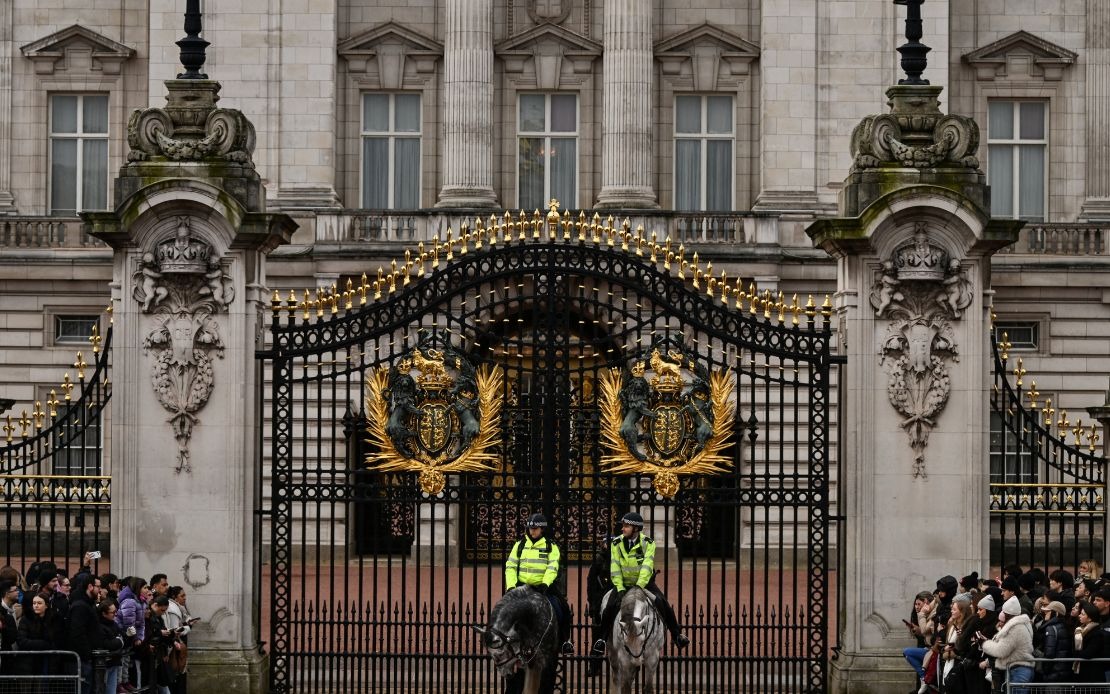
The British Royal Household has clarified the future role of Buckingham Palace under King Charles III's reign, announcing that the monarch and Queen Camilla will utilise the iconic London residence solely for ceremonial and official state occasions rather than establishing it as their primary private residence. This decision, made public on Thursday through official statements on royal finances, underscores a modern approach to managing one of the world's most recognisable seats of power while balancing public access and heritage preservation.
Following completion of its extensive refurbishment programme, Buckingham Palace will continue serving as the focal point for royal ceremonial life in Britain. The palace will host a diverse programme of official receptions, state banquets, investitures, and other formal functions that constitute the working calendar of the monarchy. This arrangement maintains centuries of tradition whilst freeing the royal couple from the residential demands of maintaining such a vast and historically significant structure as their day-to-day home.
The Royal Household's statement articulates an ambitious vision for the palace's future role beyond its historical function as the sovereign's residence. Palace officials emphasise their desire to position Buckingham Palace as a dynamic ceremonial centre, the principal operational headquarters for the Royal Household's extensive administrative machinery, and simultaneously as a major national heritage asset with significantly expanded public access opportunities. This threefold objective reflects contemporary thinking about how historical monuments can serve multiple constituencies—the monarchy, the public, and heritage conservation.
The ambitious renovation initiative, formally titled the Buckingham Palace Reservicing Programme, is currently entering its final phase after nearly a decade of intensive work. This comprehensive undertaking addresses the palace's ageing infrastructure, updating systems that had become outdated and inadequate for modern operational demands. The nine-year duration of such work testifies to the sheer complexity and scale of maintaining a building of such age and architectural significance whilst preserving its historical integrity.
Recent statistics on palace usage demonstrate the considerable demand for royal venues throughout the calendar year. During the 2025-2026 financial year alone, Buckingham Palace and other royal residences hosted 827 separate events attracting nearly 97,000 guests in total. These figures illustrate the substantial ceremonial workload that falls upon the monarchy and the significant draw that royal venues exercise over British institutional and diplomatic life.
The financial commitment required to sustain Britain's royal palaces reflects their importance to national identity and governance structures. For the 2025-2026 financial period, the Sovereign Grant—the public funding mechanism through which Parliament supports the monarchy's official operations and palace maintenance—reached £132.1 million, equivalent to approximately US$174 million. This substantial allocation demonstrates parliamentary recognition of the costs involved in preserving these national treasures.
Within this budget, palace preservation and protection emerged as a priority, commanding £67.5 million of the total grant, approximately US$89.11 million. This substantial figure underscores the genuine financial burden imposed by heritage maintenance and contemporary building systems upgrades on properties spanning centuries of continuous occupation. For Malaysian readers familiar with heritage preservation debates, such investment figures illustrate the genuine resource constraints facing institutions charged with maintaining historic structures whilst meeting modern safety and accessibility standards.
The decision to retain Buckingham Palace as ceremonial rather than residential space carries implications for how future monarchs will operate and symbolically present themselves to their publics. By decoupling the palace from residential use, King Charles III and Queen Camilla establish a precedent that emphasises the palace's function as an instrument of state and public institution rather than as a private family home. This distinction carries subtle but significant messaging about accessibility and democratic accountability.
The expanded public access mentioned in official statements represents another modernising element of palace management. Enhanced visitation opportunities, facilitated partly through the refurbishment programme's completion, should increase understanding of British constitutional monarchy and heritage appreciation among domestic and international audiences. For Southeast Asian observers, such moves reflect broader global trends toward rendering historical monuments more permeable to public engagement and education.
The refurbishment programme itself, whilst largely invisible to the public during its execution, represents substantial investment in infrastructure modernisation essential for a functioning 21st-century institution. Updating electrical systems, mechanical ventilation, security infrastructure, and environmental controls in a building of Buckingham Palace's age and complexity constitutes a massive technical and logistical undertaking, yet one largely unheralded in public discourse.
The arrangement also addresses practical considerations regarding royal residences. The British monarchy maintains several significant properties, and optimal deployment of these assets—ensuring no single residence bears disproportionate maintenance costs or operational burdens—reflects sound institutional management. By designating Buckingham Palace primarily for ceremonial use, the Royal Household achieves better resource distribution across the broader estate.
This decision positions Buckingham Palace within a broader institutional narrative about the contemporary monarchy's role and relevance. Rather than maintaining palatial grandeur as residential backdrop, the palace becomes actively engaged in serving state functions, hosting international dignitaries, and welcoming public visitors. Such positioning may subtly enhance public perception of the monarchy as servant of state rather than retreat from public view.
Looking ahead, the completed refurbishment and clarified role of Buckingham Palace will likely establish templates for how Britain's royal palaces function during subsequent reigns. The current arrangement demonstrates how heritage preservation, public access, institutional function, and financial prudence can coexist within a single framework, offering lessons relevant to heritage management debates worldwide.

