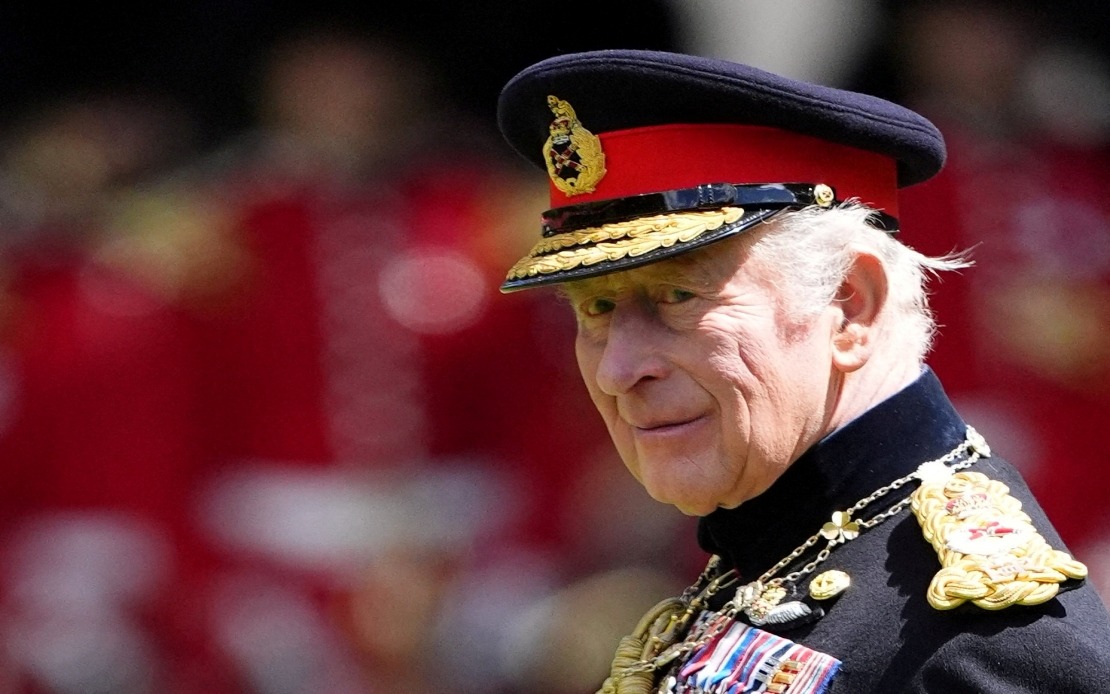
King Charles III has broken centuries of royal precedent by becoming the first reigning British monarch to publicly disclose his personal tax payment, a move that signals a significant shift in how the crown approaches financial transparency and public accountability. Buckingham Palace announced on Thursday that the king paid £12.9 million, equivalent to approximately US$17 million, in personal taxes during the 2024-2025 tax year, making this the inaugural occasion that such a figure has been published for a sitting British monarch. This disclosure represents a watershed moment in the relationship between the British monarchy and public financial scrutiny, particularly at a time when institutions across the Commonwealth are facing increased pressure to demonstrate fiscal responsibility and openness.
The revelation came as part of a broader initiative by the Royal Household to enhance transparency regarding how the monarchy finances its operations and personal expenses. The palace simultaneously released a comprehensive document detailing the various revenue streams that support the royal family, reinforcing the institution's commitment to allowing the public greater insight into its fiscal management. This comprehensive approach goes beyond merely releasing a single figure, instead providing context and explanation that help ordinary citizens understand the complex mechanisms through which the crown generates and allocates its resources.
Examining the trajectory of the king's tax contributions since his accession in September 2022 provides further perspective on his financial obligations and the scale of his personal wealth. When Charles ascended to the throne, he inherited substantial private assets and income streams, from which he voluntarily contributes to the public treasury. Since that pivotal moment just over two years ago, his cumulative tax payments have surpassed £30 million, demonstrating a consistent pattern of fulfilling his tax obligations across successive fiscal years. The previous year's payment of £11.7 million in the 2023-2024 tax cycle shows relatively stable tax contributions, though the subsequent increase to £12.9 million may reflect changes in investment performance or income generation from his private estates.
Understanding the king's tax arrangements requires recognition of an unusual constitutional position that distinguishes the British monarch from ordinary citizens. Unlike most individuals and corporations in the United Kingdom, British sovereigns enjoy exemption from income tax, capital gains tax, and inheritance tax as a matter of law. This longstanding privilege stems from historical conventions that position the monarch as sovereign above the ordinary tax system. However, beginning in the 1990s, the crown voluntarily adopted arrangements whereby the reigning monarch pays taxes on personal income, effectively choosing to subject themselves to obligations that the law does not mandate. This voluntary compliance has continued under King Charles III, representing a conscious commitment to normative standards of fiscal responsibility.
The sources feeding King Charles III's tax liabilities come primarily from his private financial holdings and investments rather than from his official royal functions. The king's personal income derives substantially from the private ownership of Balmoral Castle in Scotland and Sandringham House in Norfolk, both renowned estates that generate revenue through various means. Additionally, his investment portfolio and accumulated wealth produce capital gains and dividend income that contribute to his overall tax bill. These personal funds, distinct from the public purse allocated through parliamentary appropriation for official royal duties, are reserved exclusively for his private expenses and represent his individual financial responsibility separate from the state's financing of the monarchy.
The decision to publish these figures carries particular significance given King Charles III's lengthy history of financial disclosure stretching back decades. During his decades as Prince of Wales, Charles established a pattern of releasing information about his tax contributions, demonstrating that the practice of royal financial transparency predates his accession to the throne. Nevertheless, the publication of such figures for a reigning monarch represents uncharted territory in the history of the British Crown. The symbolic weight of this disclosure—that even the sovereign, uniquely positioned above the law, chooses to comply with tax obligations—sends a powerful message about institutional accountability and the principle that no person, regardless of station, stands entirely apart from social obligations.
James Chalmers, who holds the prestigious title of keeper of the Privy Purse and serves as the chief financial officer of the Royal Household, articulated the rationale behind this enhanced transparency initiative. He emphasized that whilst royal financial arrangements may appear intricate to outsiders, the fundamental principles underlying these structures rest upon solid legal foundations and have been refined through generations to ensure the monarch can execute their duties with complete independence whilst remaining accountable to the nation. Chalmers' statement reflects a careful balancing act: the crown must maintain sufficient financial autonomy to preserve its constitutional independence from parliament, yet it must also submit to scrutiny sufficient to maintain public confidence.
For Malaysian and Southeast Asian observers, this development offers instructive lessons about institutional transparency and evolving public expectations regarding financial accountability among the highest offices. The Commonwealth realm to which Malaysia once belonged historically deferred to royal prerogatives without question, yet contemporary attitudes increasingly demand that all institutions, however ancient and prestigious, operate within frameworks of demonstrable financial honesty. The king's voluntary disclosure may inspire similar transparency measures among other constitutional monarchies and heads of state within the broader Commonwealth family, setting new standards for what informed citizenry expect from their leaders.
The broader context of this disclosure deserves consideration in relation to contemporary movements for governmental transparency and anti-corruption initiatives spreading across democracies worldwide. At a moment when public trust in institutions faces unprecedented challenges, the voluntary assumption of obligations beyond legal requirements—such as the monarch choosing to pay taxes despite enjoying statutory exemption—becomes a powerful symbol of institutional integrity. The king's action acknowledges an implicit social contract wherein those who occupy positions of extraordinary privilege must reciprocate through visible commitment to shared civic responsibilities, thereby maintaining the legitimacy upon which all authority ultimately depends.

