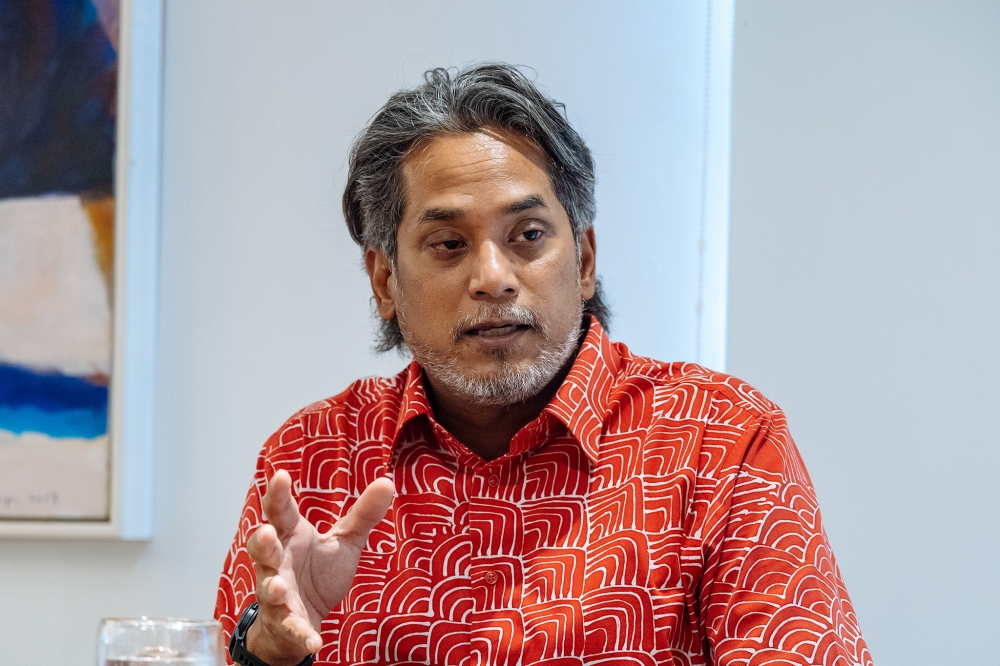
The political landscape in Negeri Sembilan is heating up with reports that Khairy Jamaluddin, the former Umno Youth chief, is being evaluated as a possible Barisan Nasional candidate for a state constituency in the Rembau area. The development carries significant weight given Khairy's stature within Umno and his previous prominence in party youth politics, suggesting potential ambitions that could extend beyond a simple state assembly seat to encompassing the Menteri Besar office itself.
Khairy's emergence as a potential candidate reflects broader shifts within the Barisan coalition as it prepares for upcoming political contests. His trajectory within Umno has been marked by considerable influence and visibility, particularly during his tenure as Umno Youth chief, a position that traditionally serves as a springboard for senior party roles. The consideration of his candidacy at the state level, rather than a straightforward federal parliamentary position, indicates a calculated strategy by Barisan leadership to strengthen the coalition's standing in a state where political fortunes have fluctuated considerably.
Rembau has historically been a closely contested constituency, reflecting the broader competitive dynamics that characterise Negeri Sembilan politics. The state assembly remains a critical battleground for Barisan, which continues to navigate the complexities of post-2018 politics and the evolving coalition dynamics that have reshaped Malaysian electoral competition. Placing a high-profile figure like Khairy in such a constituency would represent an attempt to consolidate Barisan's position and project strength ahead of potential state-level elections.
The prospect of Khairy serving as a Menteri Besar candidate carries considerable significance for Negeri Sembilan's governance and internal Barisan dynamics. Should he be selected as the coalition's chief ministerial pick, it would represent a notable shift in how the state is governed and signal confidence in his ability to lead a state administration. The Menteri Besar position commands substantial influence over state policy, development allocation, and administrative direction, making the selection process intensely competitive within Barisan's power structures.
Khairy's political profile as a relatively younger, English-speaking figure with exposure to contemporary political discourse may appeal to the Barisan leadership's desire to project modernisation and renewal. Throughout Malaysian politics, there has been growing emphasis on generational change, and Khairy's positioning within this narrative could enhance Barisan's electoral appeal, particularly among urban voters and younger demographics who have shown openness to candidates perceived as progressive within traditional political frameworks.
Negeri Sembilan's political economy remains heavily influenced by its position as a state with significant federal government presence and development initiatives. The state's Menteri Besar oversees crucial portfolios affecting business environment, infrastructure investment, and inter-governmental relations at the state level. These considerations inevitably factor into Barisan's selection process, as party strategists weigh candidates' administrative capabilities, relationship-building potential with federal authorities, and capacity to manage developmental priorities that resonate with voters.
The timing of such candidacy considerations reflects Barisan's broader electoral calendar and strategic assessments. Political movements and candidate selections at this level typically occur within defined preparation periods, during which coalition leaders evaluate constituencies, assess incumbent performance, and identify optimal placement for their political assets. Khairy's consideration suggests Barisan views Rembau as strategically important enough to warrant placement of a recognised national-level figure.
Within Umno specifically, Khairy's potential elevation to state-level political office represents significant movement within the party hierarchy. Umno's internal dynamics have been marked by considerable repositioning following recent electoral cycles and inter-party manoeuvring. How Khairy's potential candidacy is received within Umno grassroots and among competing factions will likely influence final decisions regarding his placement and the broader coalition strategy in Negeri Sembilan.
The implications for Malaysian politics extend beyond Negeri Sembilan itself. Barisan's strategic decisions in any state send signals about coalition priorities, resource allocation, and long-term positioning in Malaysia's competitive political environment. Should Khairy be fielded as a Menteri Besar candidate in Negeri Sembilan, it would constitute a significant move in the broader chess match between Barisan and its rivals for state-level control and federal political dominance. Such moves influence how other coalitions and parties calibrate their own candidate selection strategies and overall electoral approaches.
For voters in Rembau and wider Negeri Sembilan, the consideration of candidates like Khairy raises immediate questions about governance priorities, development direction, and which particular leader can best represent their interests. These local considerations invariably intersect with broader national political positioning, creating complex electoral dynamics that shape outcomes in Malaysian constituencies. The attention surrounding Khairy's potential candidacy underscores how even state-level politics remains intertwined with national party strategies and ambitious political figures' aspirations.

