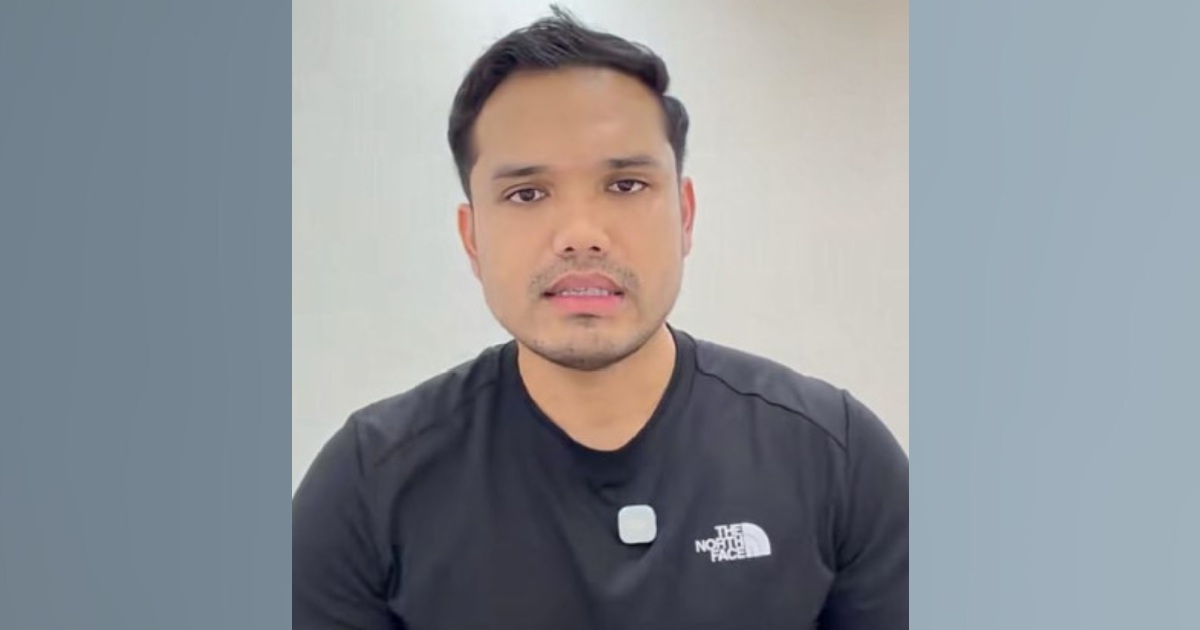
Prominent Malaysian influencer and business entrepreneur Khairul Aming has publicly expressed significant concern following the unauthorised disclosure of his personal mobile phone billing information. The details surfaced online through unknown channels, prompting the celebrity to draw attention to what he characterises as an unsettling breach of his privacy. The incident underscores the growing vulnerability of public figures to data leaks in Malaysia's increasingly digital landscape.
The exposure of such intimate financial and contact records raises troubling questions about data security protocols at telecommunications companies operating in Malaysia. Phone billing statements typically contain sensitive information including call logs, messaging patterns, subscriber addresses, and payment histories—details that could prove valuable to malicious actors seeking to exploit high-profile individuals. For celebrities like Khairul Aming, whose public visibility makes them targets, such breaches carry particular risks beyond mere inconvenience.
The incident reflects a broader pattern of privacy violations affecting Malaysian public figures in recent years. Social media personalities, entertainers, and business figures have increasingly fallen victim to coordinated leaks, unauthorised screengrabs, and data dumps. These incidents typically originate from compromised internal systems, social engineering attacks targeting service providers, or employees with access misusing their positions. The anonymity of the perpetrator in this case complicates efforts at accountability and raises concerns about whether similar breaches remain unreported.
Data protection law in Malaysia operates under the Personal Data Protection Act 2010, which theoretically safeguards individual information held by organisations. However, enforcement remains inconsistent, and telecommunications firms often face minimal penalties for security lapses. The affected parties—particularly celebrities with significant followings—frequently resort to public disclosure to pressure companies and authorities into action, effectively using their platform as a compensatory mechanism when official channels prove sluggish.
Khairul Aming's situation also illuminates the intersection between celebrity status and cybersecurity. Public figures maintain higher digital footprints than ordinary citizens, making them statistically more likely to experience targeted attacks. His willingness to speak openly about the incident may encourage other victims to come forward, though stigma and concerns about reputation damage often deter individuals from reporting such breaches. The influencer community's collective voice carries weight that individual complaints might lack.
Telecommunications companies in Malaysia must grapple with dual pressures: maintaining customer service efficiency while implementing robust security architecture. Legacy systems, cost-cutting measures, and the complexity of managing millions of subscriber records create structural vulnerabilities. Recent breaches at other service providers across Asia demonstrate that no organisation of significant scale remains immune, yet some demonstrate substantially better incident response protocols than others. Consumers have limited visibility into which providers prioritise security most seriously.
The leak also raises questions about the regulatory framework governing data breach notifications. Malaysian authorities lack mandatory breach disclosure requirements comparable to those in the European Union's General Data Protection Regulation or similar schemes. This creates an environment where breaches may go unreported for extended periods, allowing perpetrators wider windows to exploit stolen information. Khairul Aming's public complaint effectively crowdsources pressure that government oversight has failed to generate systematically.
Beyond immediate privacy concerns, such breaches carry reputational implications for telecommunications firms themselves. Customer trust represents an intangible but crucial asset, particularly in competitive markets where subscribers can reasonably switch providers. Organisations that experience high-profile leaks face declining confidence among their customer base, particularly among affluent and visible demographics. The financial cost of remediation, regulatory fines, and lost business often exceeds initial investment in stronger security infrastructure.
The anonymity surrounding the perpetrator also merits scrutiny. Whether the leak originated from internal misconduct, organised cybercrime targeting celebrity data, or opportunistic exploitation of existing vulnerabilities significantly affects how the incident should be investigated and prevented going forward. Malaysian law enforcement agencies typically investigate such matters, yet public sector cybercrime capacity remains constrained relative to the scale of digital threats. Celebrities often find that formal investigations proceed slowly while their personal data circulates freely online.
Looking ahead, this incident should catalyse stronger security standards across Malaysia's telecommunications sector. Industry self-regulation has demonstrably failed to prevent such exposures; mandatory security audits, employee training programmes, and transparent breach reporting mechanisms would represent meaningful progress. The Consumer Association of Penang and similar advocacy groups have periodically called for such reforms, but concrete policy changes remain elusive.
Khairul Aming's public concern about the breach, while personalised, addresses systemic vulnerabilities affecting millions of Malaysian subscribers. His elevated profile amplifies what would otherwise be a routine data protection failure, forcing the industry and government to acknowledge problems they might otherwise minimise. For ordinary citizens experiencing similar breaches, solutions remain sparse; for public figures, vocal complaint represents a practical if imperfect remedy.

