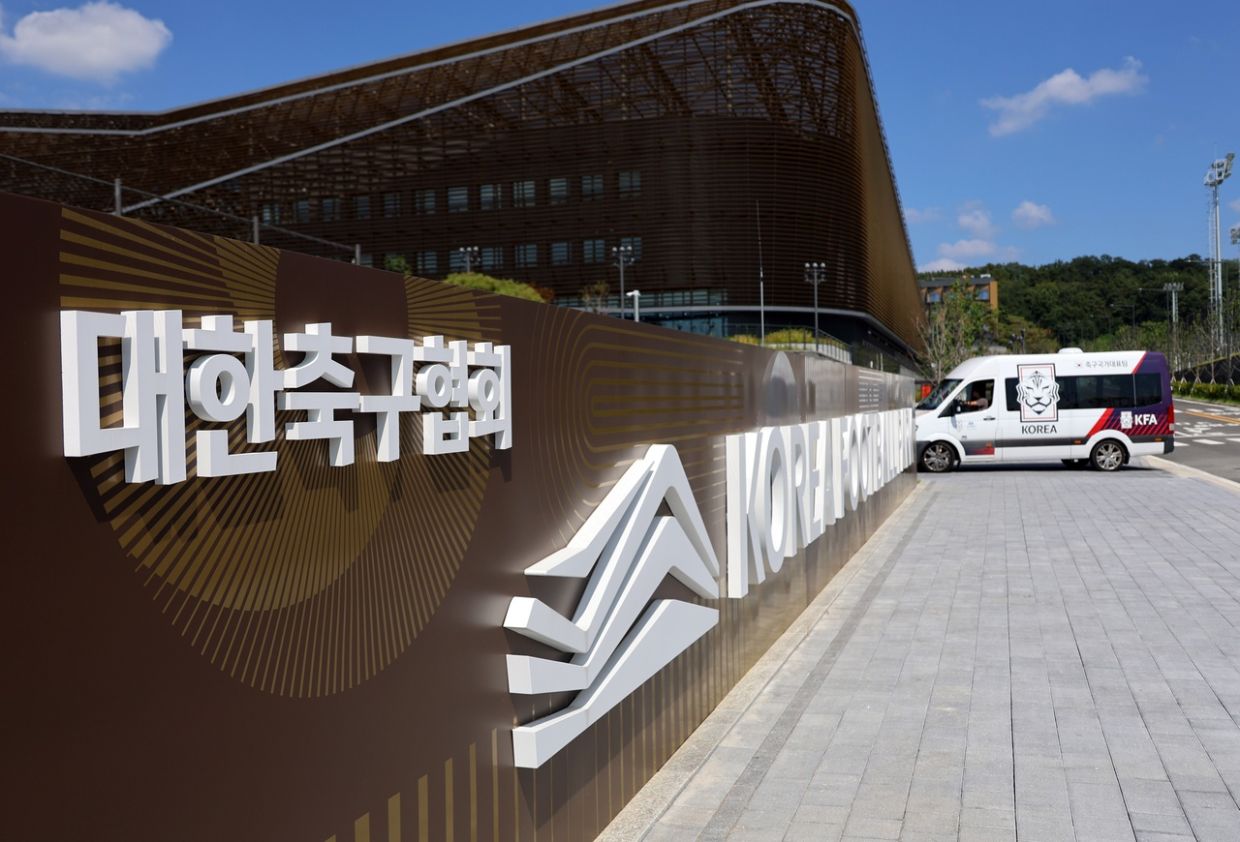
The Korea Football Association's admission of misconduct has swiftly rippled across East Asian football governance, with Japan's football authorities confirming they have opened an investigation into four domestic referees allegedly caught up in the controversy. The widening probe signals that what began as a domestic South Korean scandal is now testing the integrity frameworks of multiple national football bodies in the region.
Japan's Football Association disclosed on Sunday that it is examining the conduct of the four officials and plans to release its conclusions once the investigation concludes. The development came just a day after the KFA itself issued a formal apology, acknowledging that the allegations and cascading controversies had damaged public confidence in the organisation's leadership and operations.
The roots of the scandal trace to a 2016 audit conducted by South Korea's Ministry of Culture, Sports and Tourism that sat dormant until a JTBC television report aired on 6 August thrust the matter into public scrutiny. That audit documented what it characterised as entertainment payments made through corporate credit cards on approximately eight separate occasions between March 2011 and March 2012. The recipients of this treatment were identified as roughly 10 foreign referees and match commissioners who had officiating roles in seven matches hosted in South Korea, comprising three World Cup qualifiers and Olympic qualifiers alongside four friendly internationals.
The KFA's statement of contrition acknowledged the gravity of the situation while explicitly disavowing endorsement of the conduct documented in the audit. The association committed to implementing institutional reforms aimed at restoring public trust and establishing transparent governance practices moving forward. The timing of the apology reflected mounting external pressure, including a parliamentary inquiry into the KFA's governance structures and a police raid on the association's premises the previous week, though that separate operation focused on allegations surrounding the 2024 appointment of former national coach Hong Myung-bo.
The South Korean national team's record during the period in question—five victories, two draws, and no defeats across the seven matches—has inevitably invited speculation about whether official decisions may have been tilted in favour of the home side. However, South Korean football authorities have categorically denied such suggestions, arguing that entertaining match officials does not establish corrupt intent in officiating decisions.
Japanese media outlets have identified two referees believed to have been beneficiaries of the alleged entertainment scheme. One has subsequently advanced to the role of referee manager within the JFA, overseeing match officials in Japan's domestic J-League. The other served as the senior official on a four-person all-Japanese refereeing team for South Korea's 2012 World Cup qualifier victory over Kuwait, a fixture documented in the audit as involving entertainment provided to two officials. Japanese commentators have cautiously noted that the mere fact of officiating a particular match does not constitute proof that an individual referee personally accepted any entertainment.
International speculation has centred on the possibility of sanctions from FIFA, football's global governing body. The International Business Times UK raised the prospect of disciplinary action and governance intervention last Thursday. However, observers and legal analysts familiar with FIFA's disciplinary processes suggest that formal punishment remains unlikely given the temporal distance between the conduct and current proceedings.
FIFA's ethics code typically enforces a statute of limitations ranging from five to ten years for most violations. The conduct at the centre of this inquiry falls outside the organisation's broader category for sexual abuse or exploitation cases, which carry an unlimited time window for investigation. Furthermore, the overwhelming majority of referees named in connection with the scheme have since retired from international football, complicating any potential enforcement mechanism.
A parallel criminal investigation initiated within South Korea was previously shelved due to insufficient evidentiary material to support prosecution. The decision to close that inquiry suggested that building a criminal case around the allegations faced substantial obstacles in establishing intent or demonstrating concrete influence over match outcomes. That development further dampens expectations of international sporting sanctions, which would require an even more compelling factual foundation than domestic criminal proceedings.
For Malaysian and Southeast Asian football observers, the scandal underscores the vulnerability of match integrity systems across the region and the need for robust oversight of official conduct. While South Korea and Japan possess relatively sophisticated football infrastructure, the incident reveals how inadequate transparency and accountability measures can persist even within established associations. The case also highlights the broader challenge facing Asian football of preventing corrupt practices during an era of intensifying commercial interests in the sport. The KFA's commitment to institutional reform, if implemented genuinely, may serve as a cautionary template for other national associations examining their own governance vulnerabilities.

