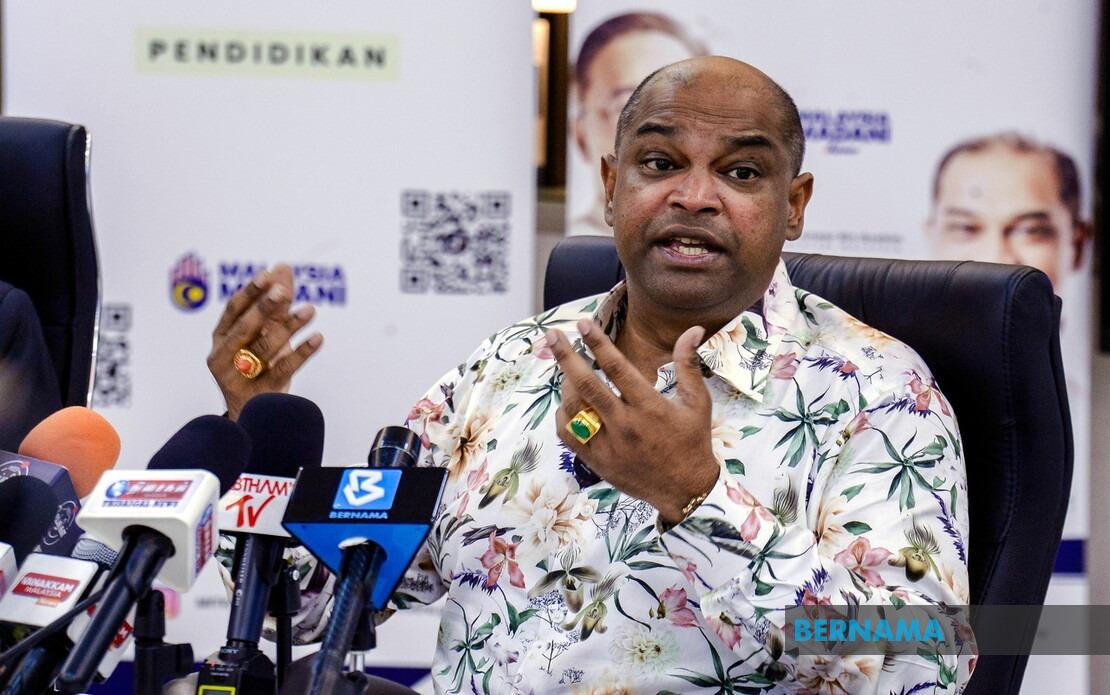
Malaysia's Ministry of Human Resources is advancing a significant proposal that could reshape how the government finances vocational and technical training, moving away from a loan-based system toward outright grants. Minister Datuk Seri R Ramanan has indicated that the ministry is gathering input from other government agencies before submitting the initiative to Cabinet for formal consideration, with the potential to ease financial pressures on students enrolled in Technical and Vocational Education and Training (TVET) programmes once they enter the workforce.
The proposal centres on RM100 million currently allocated to the Skills Development Fund Corporation (PTPK), funds that are presently distributed under strict loan conditions. Ramanan explained that regardless of whether these resources are eventually deployed as grants or retained as loans, the Cabinet's explicit approval is required before any structural change can take effect. The ministry has already drafted an initial proposal, but officials recognise that additional refinement and clarification are necessary before the paper moves forward for ministerial deliberation.
The timing of this initiative reflects broader policy concerns within Malaysia's human resources management sector. TVET graduates frequently face mounting debt obligations after completing their studies, a reality that can constrain their early career trajectories and consumer spending capacity. By converting funding mechanisms from loans to grants, the government would effectively remove a financial impediment for graduates entering technical and skilled trades, potentially encouraging greater participation in vocational pathways that the nation requires to maintain economic competitiveness.
Ramanan unveiled the proposal during a career engagement event held in Melaka, the MYFutureJobs Lindung Kerjaya Carnival, which underscored the government's broader commitment to linking education with employment outcomes. The Social Security Organisation (Perkeso), the statutory body overseeing Malaysia's social security framework, played a central role in organising the carnival alongside KESUMA, signalling coordinated effort across multiple government arms to address youth employment and skills development.
Beyond the loan conversion initiative, the ministry has been rolling out complementary programmes designed to increase awareness and accessibility of career pathways among Malaysia's university and higher education institution populations. KESUMA has established a MYFutureJobs Ambassador scheme that enlists students from higher education institutions to serve as peer educators within their own campus communities. These ambassadors function as local information channels, disseminating details about employment opportunities, professional development resources, and the broader MYFutureJobs services ecosystem in formats that resonate with fellow students.
The ambassador programme reflects a recognition that traditional top-down information dissemination often fails to reach young people effectively. By empowering students themselves to champion career awareness initiatives, the government leverages peer influence and trust networks that typically prove more persuasive than formal institutional messaging. This grassroots approach complements the ministry's other engagement strategies and acknowledges that young Malaysians increasingly prefer receiving information through trusted peer channels rather than through official government announcements.
Additionally, KESUMA has introduced Oyen MYFutureJobs, a branded mascot character designed to humanise the government's employment and skills development initiatives and make them more approachable for younger audiences. The mascot strategy, commonly employed in Southeast Asian public campaigns, helps bridge the perceived distance between bureaucratic institutions and the youth demographic. By creating a memorable, approachable symbol associated with career development and job-seeking support, the ministry aims to enhance public engagement with services that might otherwise appear intimidating or overly formal to first-time job seekers.
The career carnival itself exemplifies the MADANI government's stated commitment to constructing a labour market characterised by dynamism, inclusivity, and resilience. Officials argue that providing Malaysians not only with access to employment opportunities but also with structured support for career advancement addresses fundamental gaps in the current system. This philosophy extends beyond simple job placement; it encompasses comprehensive career development guidance that helps workers navigate skill upgrades, sectoral transitions, and long-term professional growth.
The conversion of PTPK financing from loans to grants would represent a meaningful policy shift in how Malaysia invests in human capital development. It acknowledges that removing financial barriers to TVET participation may prove economically sound over the medium to long term, as graduates unburdened by training debt may contribute more dynamically to the economy, pursue additional upskilling, and reinvest earnings in their communities rather than servicing educational obligations.
For Malaysian employers, particularly those in manufacturing, construction, and technology sectors facing persistent skills shortages, this policy direction offers potential benefits. A larger cohort of debt-free technical graduates may enhance labour market fluidity and worker mobility, allowing talent to flow toward sectors offering genuine opportunity rather than remaining trapped in lower-wage positions partly due to debt servicing obligations. This supply-side improvement could gradually ease some of the human resource constraints that currently limit expansion in skills-intensive industries.
The Cabinet approval process will likely involve detailed fiscal analysis, as converting RM100 million in loans to grants represents a meaningful shift in government expenditure classification. Officials must demonstrate that the long-term economic returns from a more skilled, less financially-constrained workforce justify the upfront budgetary commitment. International comparisons with other Southeast Asian nations that have pursued similar vocational financing reforms may inform the Cabinet's eventual decision-making process.
Perkeso's involvement in both the carnival and broader MYFuture Jobs framework underscores how Malaysia is attempting to integrate social security administration, employment services, and skills development into a more cohesive ecosystem. By treating employment not merely as a transactional outcome but as part of a comprehensive worker support system, the government signals recognition that sustainable development requires attention to training access, financial viability, and ongoing professional growth.

