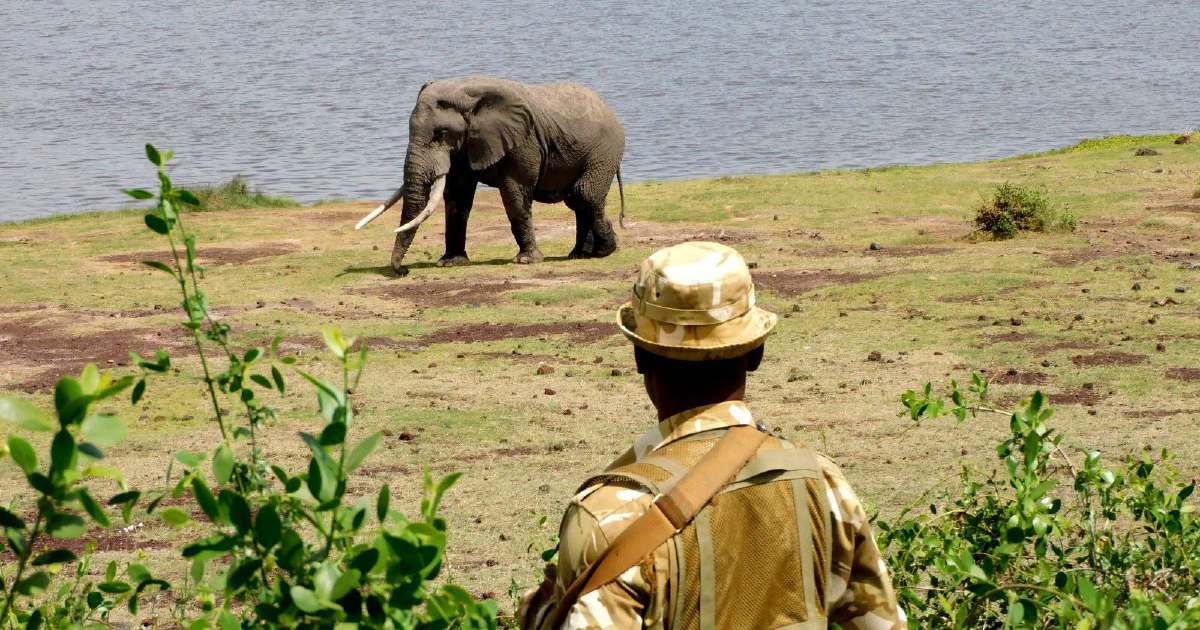
The Kenyan Wildlife Service has initiated an urgent investigation into a troubling cluster of elephant deaths at Amboseli National Park, where 15 of the iconic animals died within a single month. The announcement, made on Tuesday, marks a significant response from wildlife authorities to what appears to be an extraordinary mortality event at one of East Africa's most important conservation zones.
Amboseli National Park, situated in southern Kenya near the Tanzanian border and dominated by the snow-capped Mount Kilimanjaro, has long been a flagship destination for elephant research and tourism. The park's elephant population has been closely monitored for decades, making this sudden spike in deaths particularly alarming to conservation experts. The loss of 15 individuals represents a substantial blow to a population that already faces mounting pressures from habitat loss and human-wildlife conflict across the broader East African ecosystem.
The cause of the deaths remains unclear at this stage, fuelling speculation among wildlife experts about potential culprits. Authorities must now determine whether the elephants succumbed to disease, poisoning, adverse environmental conditions, or other factors. The concentrated timeframe—all 15 deaths occurring within a month—suggests either a shared environmental stressor or a contagious pathogen that spread rapidly through a specific elephant family group or population cluster.
Disease outbreaks, particularly conditions like anthrax or respiratory illnesses, have previously affected elephant populations across Africa. Drought conditions and water scarcity, increasingly common in Kenya's semi-arid regions due to climate variability, can weaken animals and trigger cascading health crises. Alternatively, deliberate poisoning cannot be ruled out, given the persistent threat of ivory poaching and human-elephant tensions in areas where agricultural land borders protected zones.
The investigation assumes added significance given Amboseli's role as a research hub. The park has hosted long-term elephant studies that have generated invaluable data on behaviour, social structures, and conservation responses. Any environmental catastrophe at Amboseli carries implications far beyond Kenya, potentially signalling broader ecological disruptions affecting wildlife across the East African region and the wider Horn of Africa.
For Malaysia and Southeast Asian observers, the Amboseli case underscores conservation challenges that parallel those facing regional megafauna. Just as Kenya's elephants confront disease, drought, and human encroachment, Southeast Asia's endangered species—including Asian elephants in Thailand and Myanmar, Sumatran elephants in Indonesia, and other keystone species—navigate similarly precarious circumstances. The interconnected nature of modern conservation crises means that insights from African wildlife management can inform regional strategies in biodiversity protection.
The Kenyan Wildlife Service's response will likely involve necropsy examinations of carcasses, environmental sampling, water quality testing, and epidemiological assessment of the broader elephant population. Collaboration with veterinary institutions and international wildlife research organisations may be sought to accelerate findings. The investigation's outcome will have implications for management protocols across Kenya's protected areas and potentially influence how other nations respond to similar wildlife mortality events.
Amboseli's situation also reflects a broader pattern of wildlife stress affecting East Africa's ecosystems. In recent years, the region has experienced severe droughts that devastated pastoral livelihoods and wildlife populations alike. Climate models suggest such extreme weather events may intensify, creating cascading crises for species already pushed to ecological margins. Elephant populations, despite their size and resilience, remain vulnerable to such systemic pressures.
The incident raises questions about the adequacy of current monitoring systems and rapid-response protocols for protected areas across Africa. Modern conservation demands not just boundary protection but active surveillance, early-warning systems for disease outbreaks, and coordinated veterinary response capabilities. Investment in these infrastructure elements remains uneven across the continent, leaving parks potentially vulnerable to undetected crises.
For Kenyan tourism and economy, the death of 15 elephants at Amboseli represents more than ecological loss. These animals are flagship species that draw international visitors and generate revenue supporting local communities. Their welfare directly influences the park's attractiveness and the economic benefits flowing from conservation-based livelihoods. Thus wildlife protection operates simultaneously as ecological imperative, ethical responsibility, and economic necessity.
The investigation's findings, once available, will illuminate not only what killed Amboseli's elephants but also reveal how effectively Kenya's conservation infrastructure functions under stress. The answers will matter for elephants across East Africa and for the broader global community invested in preserving these remarkable creatures for future generations.

