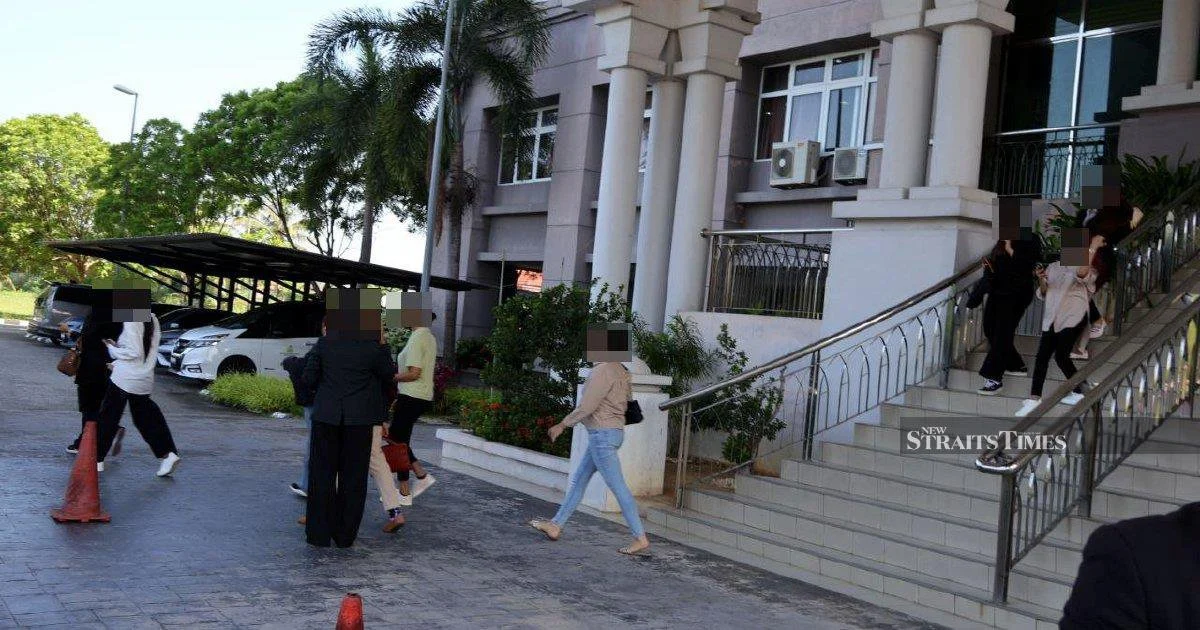
The Syariah Lower Court in Kota Baru has delayed proceedings in the trial of 14 men accused of dressing as women at a residential apartment located on Jalan Mahmood in the state capital during 2024. The adjournment, announced in court today, represents another setback in a case that has drawn public attention to how Malaysian Islamic authorities enforce religious compliance standards in their jurisdictions.
The specifics surrounding why the trial was postponed were not disclosed in the court announcement, though adjournments in syariah proceedings commonly occur due to administrative requirements, the need for additional evidence, or the availability of involved parties and legal representatives. The delay extends the timeline for resolving charges that fall under Islamic law provisions governing dress codes and public conduct according to Islamic teachings.
Cases involving cross-dressing or cross-gender presentation in Malaysia's syariah courts highlight an ongoing tension between religious enforcement and social diversity within Muslim-majority states. Malaysia's dual legal system permits Islamic courts to adjudicate matters affecting Muslims in areas including family law, inheritance, and moral conduct, though the scope and application of these laws varies significantly across the 13 states and federal territories.
Kelantan, governed by Pas, an Islamist political party, has historically maintained stricter interpretations and enforcement of Islamic law compared to other Malaysian states. The postponement of this particular trial reflects a broader pattern of syariah court cases examining personal behavior and appearance, demonstrating how these institutions exercise regulatory authority over aspects of daily life that would fall outside secular legal frameworks in other jurisdictions.
The incident at the Jalan Mahmood apartment generated significant discussion when initially reported, touching on debates about individual liberty, religious authority, and the appropriate scope of state intervention in private conduct. For many Malaysians, particularly those in urban areas and younger demographics, such prosecutions raise questions about balancing religious principles with contemporary pluralistic social norms and personal freedoms.
The 14 accused individuals face potential consequences including fines and imprisonment if convicted under applicable Islamic law provisions. However, the exact charges and maximum penalties available to the court depend on the specific syariah enactments under which they were charged, which vary between states. The trial's continuation will likely continue attracting attention from civil society observers monitoring Islamic law enforcement patterns in Malaysia.
Syariah courts in Malaysia operate within a constitutional framework that distinguishes them from civil courts, with limited appeals mechanisms and specific jurisdictional boundaries. Cases involving alleged breaches of Islamic moral codes often proceed differently from criminal matters in civil courts, reflecting different evidentiary standards and procedural rules that sometimes generate controversy, particularly when involving consensual private conduct.
The postponement comes amid broader discussion in Malaysia about religious enforcement policies and their alignment with constitutional guarantees of personal liberty and privacy. Rights groups have occasionally commented on cases of this nature, raising concerns about the scope of state monitoring and intervention in private residential spaces, though Malaysian courts have generally upheld syariah authorities' jurisdiction in such matters affecting Muslim citizens.
For the accused men, the postponement extends an uncertain legal status while their cases remain unresolved. The eventual outcome will likely be scrutinized by observers interested in tracking how Malaysian Islamic courts address contemporary social realities and whether enforcement patterns remain consistent with stated legal principles and constitutional protections.
The Syariah Lower Court's decision to adjourn the proceedings does not indicate any change in prosecutorial intent or the strength of evidence against the accused. Future hearing dates will determine whether the case progresses to evidence presentation or further procedural phases. The trial's ultimate resolution will contribute to the evolving jurisprudence of Islamic law enforcement in Malaysia and may influence future cases involving similar allegations across other states.
As Malaysia navigates its multicultural identity and constitutional commitments to both Islam and individual liberty, syariah court cases such as this one serve as focal points for examining how religious law operates within a federation of diverse states and communities. The eventual judgment may carry implications beyond the immediate defendants, potentially shaping how Islamic authorities in other jurisdictions approach similar investigations and prosecutions.

