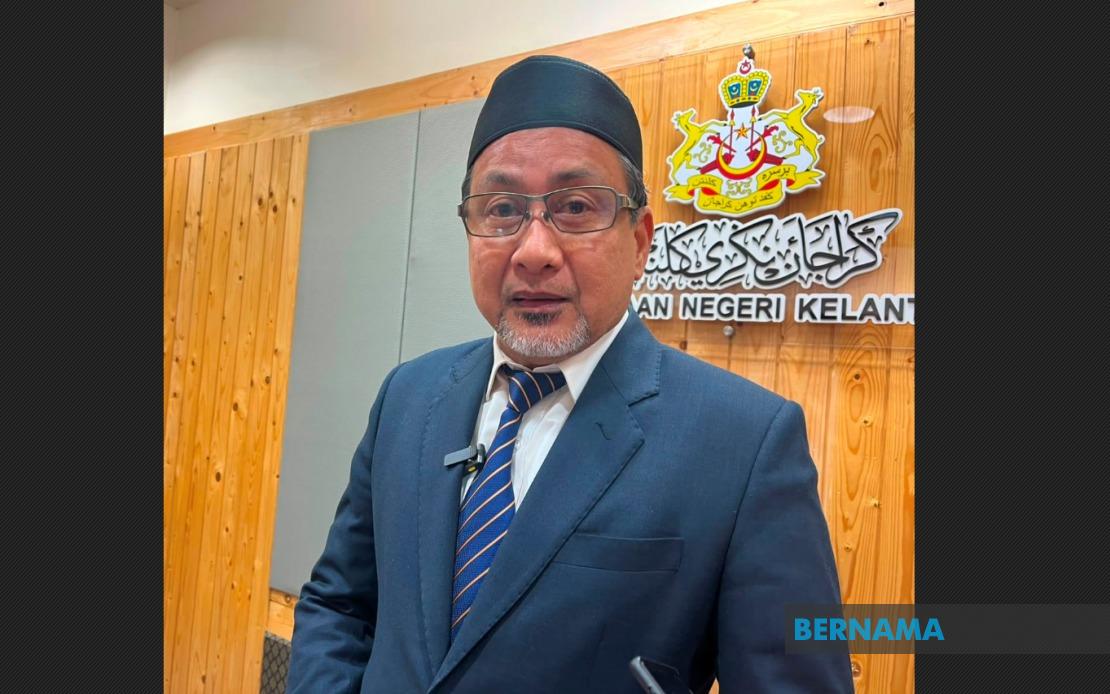
The Kelantan State Assembly Elite League faces new operating guidelines requiring the immediate cessation of all matches whenever severe weather—particularly thunderstorms and heavy rainfall—develops. This directive emerged from state government discussions in Kota Bharu on Monday, reflecting growing concerns about player and spectator safety during unpredictable tropical weather patterns that frequently strike the region.
Zamakshari Muhamad, who chairs the State Youth, Sports, Non-Governmental Organisations and Community Unity Committee, articulated the reasoning behind the mandate. He underscored that safeguarding the wellbeing of athletes and all individuals present at sporting events represents the administration's foremost concern. When dangerous atmospheric conditions such as thunderstorms materialise, match organisers must act decisively to discontinue play, thereby eliminating exposure to potentially catastrophic electrical and weather-related hazards.
The directive carries particular weight given recent developments across the border. A incident at Santiphap Stadium in Sungai Golok, Narathiwat province in Thailand, sharpened focus on lightning-related risks in Southeast Asian football. During a Golok FA Cup match, a Thai player lost his life after direct lightning contact, while a Malaysian participant sustained injuries from the same strike. This tragic event underscored the very real dangers that competitive athletes face when matches proceed during deteriorating atmospheric conditions.
These weather-related safety protocols reflect broader regional challenges. Malaysia and Thailand both sit within the equatorial and tropical zone characterised by intense monsoon patterns, sudden convective storms, and unpredictable electrical activity during specific seasonal windows. Unlike temperate climates where weather forecasting allows greater planning margins, Southeast Asian conditions can shift dramatically within minutes, leaving organisers with limited warning time. The Kelantan directive effectively acknowledges this meteorological reality by establishing clear, non-negotiable suspension criteria rather than leaving safety judgments to individual match officials who might face commercial or competitive pressures.
Beyond weather protocols, state authorities have simultaneously tightened oversight of entities using the Kelantan brand. Zamakshari announced that organisations—whether non-governmental bodies or private enterprises—must now obtain prior state government approval before utilising the name "Kelantan" in any programmatic context. This governance shift responds directly to recent controversy surrounding the Kelantan International Marathon, which generated substantial social media backlash after organisers allegedly solicited participant fees and subsequently cancelled the event. Critically, the marathon organisers had no official affiliation with the state government, leaving participants deceived regarding the legitimacy and official status of the competition.
The marathon episode reveals vulnerabilities in branding protection and consumer safeguards within Kelantan's sporting and community events landscape. By allowing private entities to attach the state's name to activities without authorisation, residents and external participants became susceptible to fraud and reputational damage extending to the state government itself. The incident demonstrated how inadequate naming conventions can erode public confidence in sporting administration and community initiatives, particularly when financial transactions and commitments are involved.
This dual-pronged regulatory approach—combining weather safety mandates with branding controls—signals a broader institutional maturation in Kelantan's sports governance. The weather suspension requirement reflects evidence-based policymaking informed by a specific tragic incident, while the naming protocols represent preventative administration designed to shield both residents and the state's institutional reputation. Malaysian sports regulatory bodies in other states may face similar pressures to adopt comparable safeguards, especially as climate variability intensifies and informal events increasingly proliferate across the digital ecosystem.
For sports organisers and NGOs operating in Kelantan, these measures necessitate operational adjustments. Weather protocols require pre-match planning for contingencies, communication systems to notify stakeholders rapidly, and established procedures for suspending and potentially rescheduling competitions. Organisers must also budget time and resources for obtaining state approval before launching initiatives bearing the Kelantan identity, fundamentally shifting how community and sporting programmes develop in the state.
The implications extend across Southeast Asian sports administration more broadly. Thailand, Malaysia, Indonesia, and other regional nations all grapple with similar meteorological challenges and informal event organisation. Kelantan's articulated approach offers a template for balanced governance: recognising genuine safety imperatives while establishing transparent institutional controls over brand usage. As regional sporting competitions expand and participate increasingly rely on digital marketing and crowdfunding, clearer regulatory frameworks protecting consumers and institutional integrity will likely become essential across multiple jurisdictions in the coming years.

