Kelantan's state government has intensified its battle against illegal mining and land encroachment, with enforcement agencies opening 63 investigation papers since the start of 2025 through June. The substantial caseload emerged from intensive field operations targeting the Gua Musang, Kuala Krai, Jeli and Tanah Merah districts, areas long plagued by unauthorised extraction activities that damage the environment and deprive the state of rightful revenue.
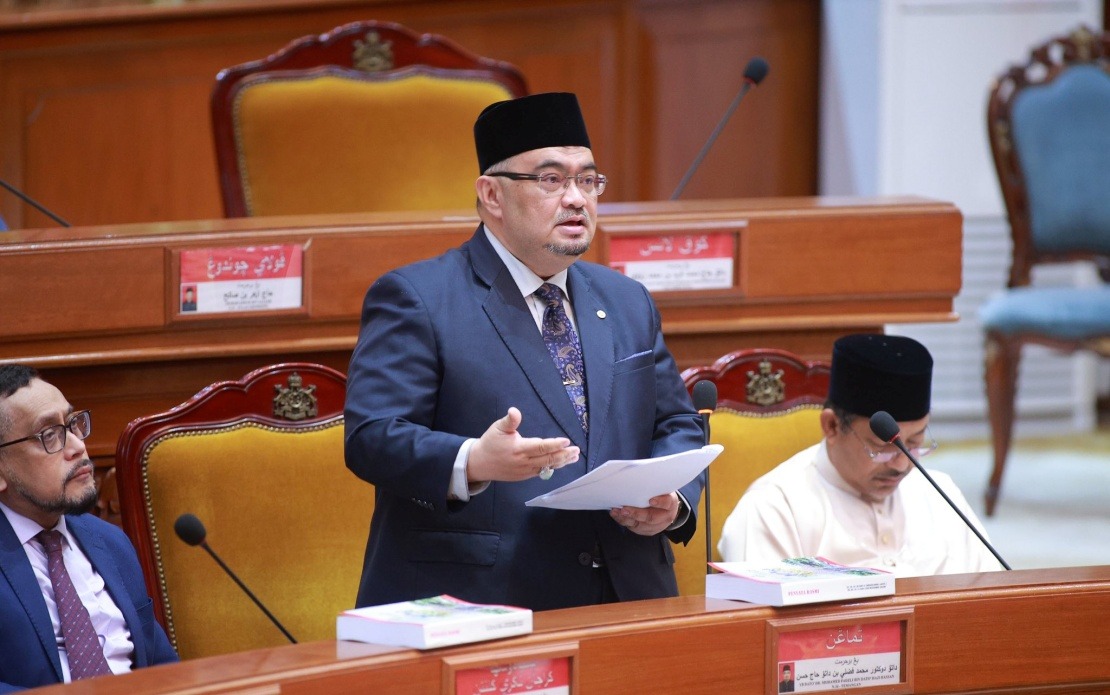
Deputy Menteri Besar Datuk Dr Mohamed Fadzli Hassan outlined the enforcement push during the Kelantan State Legislative Assembly sitting at Kompleks Kota Darulnaim, revealing that 77 separate operations had been conducted in identified hotspots. The coordinated raids represent a decisive pivot toward confronting a problem that has vexed the state administration and local communities, who have witnessed both environmental degradation and the loss of mineral wealth to unscrupulous operators.
The investigation papers, once compiled by enforcement teams, were forwarded to the Prosecution Unit of the Kelantan Land and Mines Office for prosecution and further legal proceedings. This procedural step ensures that cases move swiftly through formal channels, though the ultimate outcome depends on the quality of evidence gathering and the capacity of prosecutors to handle the volume of cases. The involvement of a dedicated prosecution unit signals that the state government views these matters seriously enough to allocate specialised legal resources.
Amongst the most tangible results of the crackdown was the confiscation of 65 excavators and heavy machinery, collectively valued at approximately RM15.8 million. These seizures strike at the operational heart of illegal mining networks, stripping away the mechanical capacity necessary to conduct large-scale extraction. Authorities recognise that demolishing the logistical infrastructure of these enterprises serves as a potent deterrent, making it economically unfeasible for operators to quickly resume activities after apprehension.
The concentration of cases in four districts underscores that the problem remains geographically concentrated, though not necessarily simple to resolve. Gua Musang, Kuala Krai, Jeli and Tanah Merah share common characteristics: remote terrain, natural mineral deposits, relatively sparse official presence, and proximity to supply routes that facilitate the movement of extracted materials. These conditions have historically made such areas vulnerable to encroachment and informal extraction.
When pressed on whether middlemen, financiers, protectors or other beneficiaries of the illegal operations would be pursued, Datuk Dr Mohamed Fadzli acknowledged that investigations would extend beyond the operators themselves. This admission is significant, as it suggests that authorities understand the organised nature of the illicit mining economy. Frequently, field operators represent merely the visible layer of networks that involve financiers, land facilitators, officials who overlook violations, and buyers who absorb the extracted minerals. Without dismantling these support structures, suppressing ground-level activity proves difficult.
The Deputy Menteri Besar indicated that once an activity is confirmed as illegal, a police report would be lodged and formal investigations commenced. Since land ownership records are maintained, tracking who benefits from particular sites provides a logical entry point for inquiry. However, determining beneficial ownership when transactions occur through proxies, shell entities, or informal agreements presents a persistent challenge that plagues anti-mining enforcement across Malaysia and the wider region.
Accordingly, the state government has embarked on discussions with relevant authorities and the Prosecution Unit to review existing penalty structures, particularly for repeat offenders. The current sentencing framework may insufficiently deter recidivism, especially where the financial gains from even a single mining operation substantially exceed potential fines. Tougher penalties for multiple violations could substantially shift the risk calculation for would-be violators, though implementation requires parliamentary amendment and judicial cooperation.
The Kelantan enforcement drive reflects broader struggles across Southeast Asia where rapid industrial demand for minerals and metals has spurred unauthorised extraction in jurisdictions with limited monitoring capacity. Countries from Myanmar to Indonesia have grappled with organised illegal mining that feeds global supply chains while devastating local environments and depleting national resources. Kelantan's situation mirrors these regional dynamics, though the state's ability to sustain enforcement momentum over months and years will ultimately determine success.
Malaysian readers should note that the problem extends beyond Kelantan, with isolated illegal mining incidents reported in Pahang, Perak, and Selangor. National coordination on penalties, intelligence sharing, and prosecution standards could amplify the impact of state-level efforts. Additionally, corporate and international buyers of minerals bear responsibility for ensuring supply chain integrity, a dimension that Malaysian policymakers have increasingly recognised as essential to combating illicit extraction at its source.
The 63 cases now entering the prosecution pipeline represent only a portion of the estimated illegal mining that continues across the state. Whether this year's enforcement surge reflects a temporary spike in resources or signals sustained political commitment remains unclear. Kelantan's Deputy Menteri Besar has positioned the government as taking decisive action, yet the real test will be conviction rates, sentencing severity, and whether subsequent enforcement operations match this year's intensity. Sustained effort, buttressed by legislative reform and inter-agency coordination, offers the most realistic path toward genuinely curbing the problem.

