Kelantan's state government is rolling out a comprehensive support framework designed to help young athletes balance competitive sports with university education, addressing a long-standing challenge in Malaysian sports development where many promising competitors struggle to maintain their studies. The Kelantan Sports Council has partnered with Yayasan Kelantan Darulnaim (YAKIN) to administer education financing arrangements, including loans and scholarships, specifically targeting athletes keen to enrol at public universities without sacrificing their sporting pursuits.
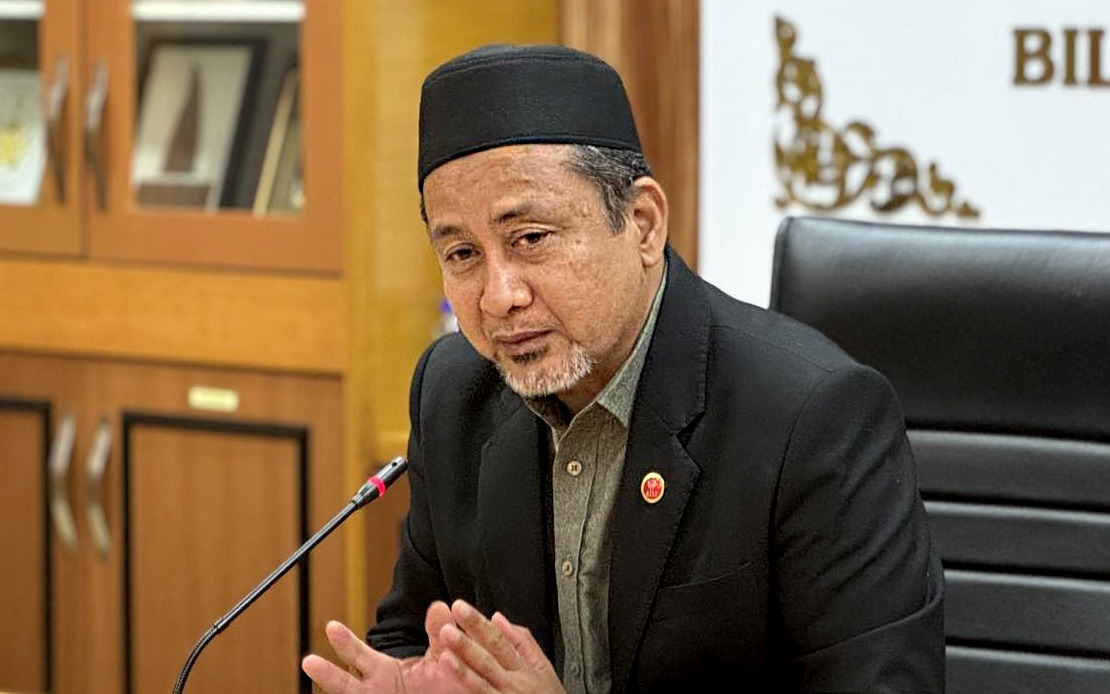
Zamakhshari Muhamad, who chairs the State Youth, Sports, NGOs and Community Unity Committee, emphasised that this initiative represents a strategic pivot in how Kelantan approaches athlete development. Rather than treating sports and academics as competing priorities, the programme acknowledges that sustainable athlete welfare requires investment across both domains. This holistic perspective reflects growing recognition across Southeast Asia that sporting talent alone cannot guarantee long-term security or social mobility without formal qualifications backing it up.
Under the enhanced support structure, athletes with demonstrated potential will receive assistance to pursue higher education at public institutions, while those achieving exceptional results in Sijil Pelajaran Malaysia (SPM) and Sijil Tinggi Persekolahan Malaysia (STPM) examinations will benefit from specific academic excellence incentives. This tiered approach ensures that recognition extends beyond sporting achievement to academic performance, encouraging a more rounded approach to personal development among the state's athletic cohort.
Beyond education financing, the Kelantan Sports Council operates a broader Special Programme that encompasses multiple dimensions of athlete support. Monthly allowances distributed through the Imtiyaz programme provide essential financial stability for competitors, while dedicated funding enables athletes to participate in both domestic and international competitions without shouldering excessive personal costs. The provision of sports equipment and nutritional supplements addresses practical training needs, recognising that elite performance requires investment in conditioning and preparation.
The welfare safety net extended by Kelantan's sports authorities encompasses provisions often overlooked in mainstream athlete support schemes. Coverage during natural disasters, accidents, marriage and bereavement demonstrates an understanding that athletes face the same life challenges as other citizens, and that securing their wellbeing during difficult periods contributes to their long-term stability and retention in sporting pursuits. This comprehensive approach distinguishes Kelantan's framework from more narrowly focused programmes that concentrate exclusively on competition preparation.
The initiative benefits from a strategically assembled partnership network that strengthens implementation and reach. Collaboration with the National Sports Council ensures alignment with federal sporting objectives, while engagement with state education departments and youth authorities creates institutional consistency across government services. Public and private higher education institutions serve as programme anchors, facilitating athlete transition into university systems and tailoring support mechanisms around their specific institutional requirements and academic structures.
For Malaysian athletes grappling with the tension between sporting ambition and educational advancement, this model offers practical pathways that are often unavailable in other states. The education loan component particularly addresses a critical barrier, as many families cannot afford to support a young person through university while simultaneously maintaining training regimens. By institutionalising financial access, Kelantan reduces the likelihood that talented athletes from less privileged backgrounds will be forced to choose between pursuing sports and securing qualifications.
The programme's emphasis on personal development alongside sporting and academic achievement reflects evolving standards in athlete management across the region. Where older models focused narrowly on competition outcomes, contemporary approaches increasingly recognise that comprehensive support enhances both individual resilience and athletic longevity. Athletes with solid educational grounding and secure financial circumstances typically exhibit better mental health outcomes and more sustainable career trajectories extending beyond their competitive playing years.
Zamakhshari's expressed optimism that these facilities will catalyse broader excellence among Kelantan athletes reflects measured expectations about what institutional support can achieve. While resources and coordination matter substantially, individual motivation and natural ability remain essential determinants of success. The initiative succeeds most where it removes artificial barriers rather than attempting to compensate for missing talent or commitment.
For Southeast Asia more broadly, Kelantan's integrated approach offers a replicable model addressing a persistent regional challenge: how to develop world-class athletes without sacrificing educational outcomes and long-term citizen welfare. As competition intensifies globally, nations that best support their athletic talent across multiple dimensions of human development will likely derive the strongest returns on investment, both in competitive outcomes and in producing well-rounded citizens equipped for post-sporting careers and community contribution.

