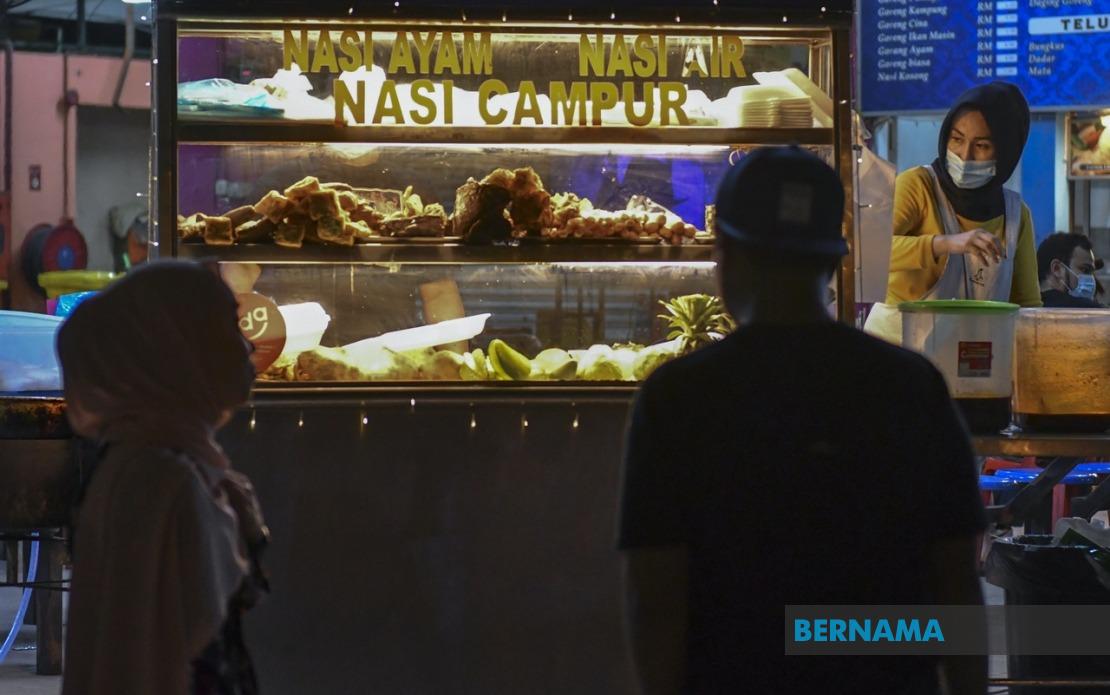
The Kelantan state government has committed to ramping up its surveillance and inspection activities at food establishments throughout the state in response to growing public concern about halal standards, particularly after allegations circulated widely on social media platforms last week. Mohd Asri Mat Daud, who chairs the Islamic Development, Dakwah, Information and Regional Relations Committee, announced the enforcement strategy during remarks made after attending a halal certification ceremony in Kota Bharu on July 15. The move reflects broader anxieties within Malaysia's Muslim-majority population regarding the integrity of halal food supply chains, a concern that periodically resurfaces whenever individual cases of alleged non-compliance gain traction in public discourse.
According to Mohd Asri, the state administration is currently in preliminary investigative stages, working to gather substantive evidence related to the allegations before determining what enforcement actions might be warranted. He explained that responsibility for policing halal standards at food outlets remains formally vested in the Kelantan Islamic Religious Affairs Department, though his committee will collaborate closely with that body to ensure thorough examination of the reported breaches. This coordination between different government entities underscores how halal compliance enforcement requires cooperation across multiple administrative channels rather than relying on any single authority. The preliminary investigation phase suggests officials are taking a measured approach, seeking to distinguish between verified violations and unsubstantiated claims before implementing stricter controls.
Mohd Asri emphasized that the state has not received any formal written complaints lodged through official channels concerning the allegations that have been circulating online. Nevertheless, his warning that the government "will carry out more frequent monitoring and inspections because we do not want this to become widespread in the state" indicates that authorities view the situation seriously enough to warrant preventive action. The language here reveals a concern that isolated incidents of non-compliance could undermine consumer confidence if allowed to proliferate unaddressed. By signalling intent to intensify checks now, the state government aims to forestall a potential larger crisis of public trust in halal certification systems.
The original allegations surfaced when a Facebook user disclosed information about the halal certification standing of several food outlets operated by non-Muslim proprietors that attract significant Muslim patronage. This revelation triggered diverse reactions across social media platforms, reflecting deep-seated sensitivities within Muslim communities about food purity and religious compliance. In Malaysia's plural society, halal certification represents far more than a labelling convention; it embodies religious observance and trust between merchants and Muslim consumers. When questions arise about whether operators have maintained proper standards, they resonate beyond mere commercial considerations to touch on matters of faith and community integrity.
Mohd Asri directed a pointed reminder to food operators that prioritizing profits cannot justify compromising with Shariah requirements, as such lapses erode the confidence that Muslim patrons place in the premises they visit. This admonition addresses a fundamental tension in commercial food service: the pressure to cut costs sometimes incentivizes shortcuts in halal compliance procedures. His statement implicitly acknowledges that financial pressures might motivate some operators to deviate from required standards, whether intentionally or through negligence. By publicly emphasizing the consequences of such breaches for consumer confidence, state authorities hope to reinforce compliance motivations beyond merely legal penalties.
Simultaneously, Mohd Asri urged members of the public to exercise greater vigilance regarding the halal credentials of food premises they patronize. This appeal distributes responsibility for maintaining halal standards beyond government enforcement agencies to consumers themselves, essentially calling for community participation in policing compliance. Such consumer awareness campaigns have become standard practice in Malaysia's halal governance framework, recognizing that individual purchasing decisions ultimately drive marketplace behavior. When Muslim consumers systematically avoid establishments with questionable credentials, commercial pressure reinforces what regulatory oversight might otherwise struggle to achieve.
The committee chairman also promoted Malaysia's formal Halal Certification program as a positive mechanism through which food operators can demonstrate their commitment to proper standards. He noted that the government has set a target of completing certification applications within thirty days, contingent upon premises being adequately prepared and meeting all prescribed guidelines. This accelerated processing timeline represents an incentive structure designed to encourage voluntary participation in the formal certification scheme. By removing bureaucratic delays that might otherwise deter operators from seeking official accreditation, the state government attempts to expand coverage of its halal verification systems.
The incident illustrates persistent tensions within Malaysia's food safety and religious compliance ecosystem. While the country maintains sophisticated halal certification infrastructure recognized internationally, periodic allegations about non-compliance underscore that formal systems cannot entirely eliminate public doubt. Social media has amplified the velocity with which such allegations spread, creating scenarios where unverified claims can generate significant reputational damage before authorities complete proper investigations. The Kelantan government's response reflects the challenge of navigating between swift reassurance to concerned consumers and methodical due process in determining whether violations actually occurred.
For food operators across Malaysia, the Kelantan case serves as reminder that halal compliance has become a fundamental business requirement rather than merely an optional distinction. Non-Muslim proprietors operating in Muslim-majority markets must navigate complex regulatory requirements and community expectations that demand consistent adherence to Shariah standards. The reputational risks of allegations—even those eventually proven baseless—can prove substantial. This reality has increasingly motivated operators to pursue formal certification and implement documented compliance procedures, both as defensive measures and as genuine commitments to serving their customer base responsibly.
The broader significance of Kelantan's enforcement escalation extends beyond that single state's boundaries. As public concern about halal authenticity intensifies across Malaysia generally, state governments from Perlis to Johor are evaluating their own compliance monitoring systems. The viral nature of social media allegations means that incidents in one location rapidly inform public consciousness throughout the country, potentially affecting consumer behavior across multiple markets. Kelantan's proactive stance may encourage other state authorities to similarly enhance their oversight activities, creating a competitive dynamic where jurisdictions demonstrate commitment to halal integrity as a matter of pride and consumer protection.

