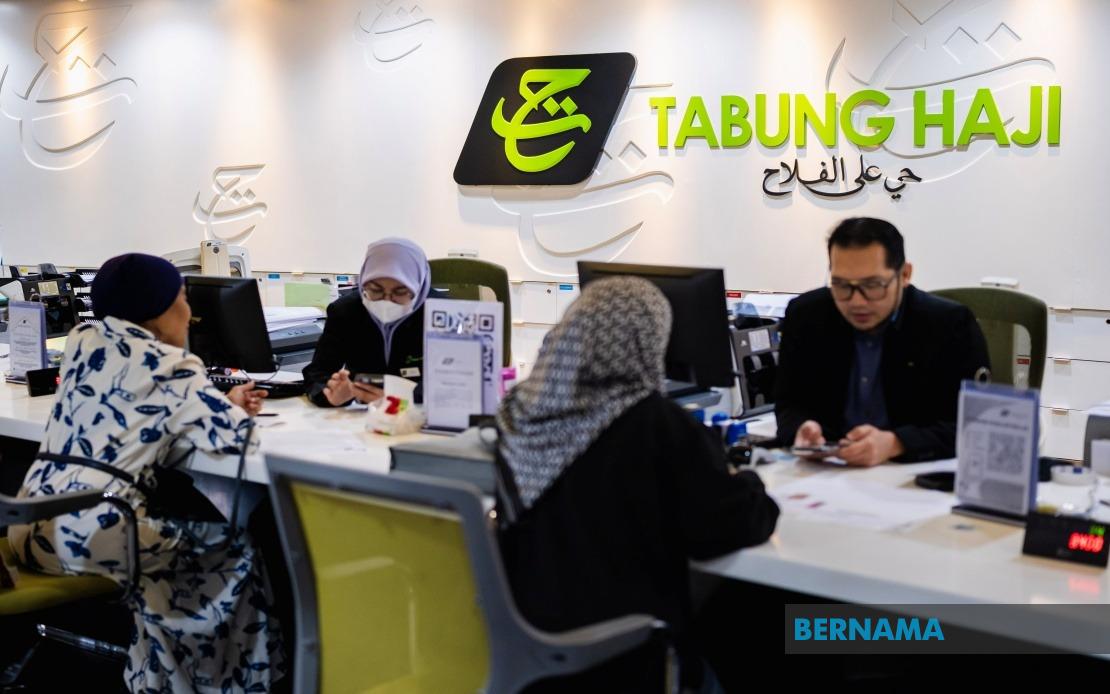
The road to restoring public confidence in Lembaga Tabung Haji hinges on severing the institution from political control, according to multiple Malaysian analysts reviewing the Royal Commission of Inquiry's recent findings. With more than 75 per cent of RCI recommendations now implemented, experts argue that insulating the Islamic savings and pilgrimage fund from political influence represents the most critical remaining challenge to rebuild its reputation among depositors and the broader Muslim community.
The RCI investigation exposed how political considerations have systematically compromised the organisation's ability to function as an independent financial institution. Analysts point to this as the fundamental lesson emerging from TH's crisis: political interference and the appointment of loyalists to leadership positions have eroded corporate governance standards and professional decision-making. Prof Dr Azmi Hassan, a fellow at the National Council of Professors and senior researcher at the Nusantara Academy for Strategic Research, emphasised that meaningful recovery requires demonstrating genuine institutional autonomy from political pressure. He stressed that nearly every major decision at TH—even the recent parliamentary presentation of RCI findings—has become entangled with political considerations rather than driven by institutional or depositor interests.
The challenge of separating TH from political influence is not merely theoretical. Hassan argued that government action must move beyond rhetorical commitments to demonstrate through concrete measures that TH operates according to professional standards. This means appointing leadership and board members based on expertise and merit rather than political connections, a practice he contends remains difficult given Malaysia's political landscape. The separation requires not just internal restructuring but a fundamental shift in how government interacts with the institution's management.
Comparative examples within Malaysia's institutional ecosystem offer a potential pathway forward. Dr Mohd Amim Othman, a senior lecturer at Universiti Putra Malaysia's Faculty of Human Ecology, pointed to the Employees Provident Fund and Permodalan Nasional Berhad as models of organisations that have successfully maintained independence from political influence while still serving public interests. Malaysia possesses sufficient qualified professionals capable of leading TH effectively, Othman suggested, indicating that the obstacle is not a shortage of competent candidates but rather politicians' reluctance to relinquish control. Implementing the full slate of RCI recommendations—including modifications to ministerial powers, enhanced board authority, and strengthened regulatory oversight—would constitute necessary structural steps toward this independence.
The urgency of such reforms becomes clearer when examining TH's current vulnerabilities. Without institutional autonomy, investment decisions continue to reflect political considerations rather than rigorous risk assessment. The Al-Rawda investment in Saudi Arabia exemplifies this danger: the institution's largest recorded loss proceeded despite incomplete due diligence processes. Dr Saizal Pinjaman of Universiti Malaysia Sabah's Centre for Economic and Policy Development argued that political pressure can override investment protocols, leading management to disregard risk warnings when information remains incomplete or uncertain. Granting TH's management genuine freedom to make objective, professionally grounded investment decisions would reduce such avoidable losses.
Accountability must accompany independence, however. Pinjaman cautioned against interpreting institutional autonomy as freedom from oversight or transparency requirements. Rather, TH requires the balance that characterises well-functioning financial institutions globally: professional management boards operating without political interference, coupled with rigorous external auditing, regulatory monitoring, and public accountability mechanisms. This combination ensures that independence serves depositors' interests rather than becoming a vehicle for mismanagement beyond public scrutiny.
Beyond governance structures, TH faces strategic challenges that independence could help address. The post-crisis period has coincided with declining contribution rates among existing members, a pattern that threatens the institution's investment capacity and long-term sustainability. Dr Mohd Amim highlighted the particular importance of attracting younger Malaysians to TH membership, a demographic whose participation rates have weakened. Diversified product offerings, including TH Property and other investment vehicles, could strengthen appeal, but only if potential members perceive TH as a professionally managed, trustworthy institution rather than a politically manipulated entity. Younger generations, increasingly attuned to questions of institutional governance and transparency, are unlikely to commit their savings to organisations perceived as politically compromised.
The reputational dimension of this challenge extends beyond individual savings decisions. Dr Noor Nirwandy Mat Noordin, a security and political analyst at Universiti Teknologi MARA's Centre for Media and Information Warfare Studies, characterised TH's recovery as essential to Malaysia's broader institutional health. The organisation represents, in his framing, Muslim civilisation, heritage, and collective pride. When political interference damages its functioning, the institution fails not only depositors but also the broader symbolic role it occupies in Malaysian Islamic identity. Restoration requires demonstrating that TH prioritises societal and national interests over serving particular political factions.
Transparency emerges as another critical reform dimension. Nirwandy advocated for substantially greater openness in how TH conducts its operations, makes investment decisions, and allocates resources. Increased transparency would serve multiple functions: allowing external scrutiny to catch problematic decisions earlier, demonstrating to depositors that decision-making follows rational processes, and reducing opportunities for political manipulation to occur in opaque settings. Enhanced disclosure requirements would represent a tangible commitment to the accountability-independence balance discussed earlier.
Engaging external expertise offers a practical avenue for strengthening institutional capacity while reinforcing independence from political influence. Nirwandy suggested that TH could benefit from bringing in outside specialists to advise on investment strategy, economic trends, incentive structures, and competitive positioning. Such external advisors, lacking political affiliations or stakes in Malaysian political competition, could help insulate decision-making from domestic political considerations while introducing international best practices. This approach acknowledges that true independence need not mean isolation but rather strategic openness to qualified outside perspectives.
The months ahead will reveal whether government and political leadership genuinely prioritise TH's institutional health over maintaining political leverage. The existence of RCI recommendations provides a policy roadmap; implementation remains the test of commitment. Analysts across Malaysian universities and research institutions have reached consensus that continued political interference will perpetuate mistrust, discourage depositor participation, and leave the institution vulnerable to repeated crises. Conversely, demonstrable movement toward autonomous, professionally managed operations could begin restoring the confidence that TH requires to serve its intended function within Malaysia's Islamic financial ecosystem and broader economic landscape.

