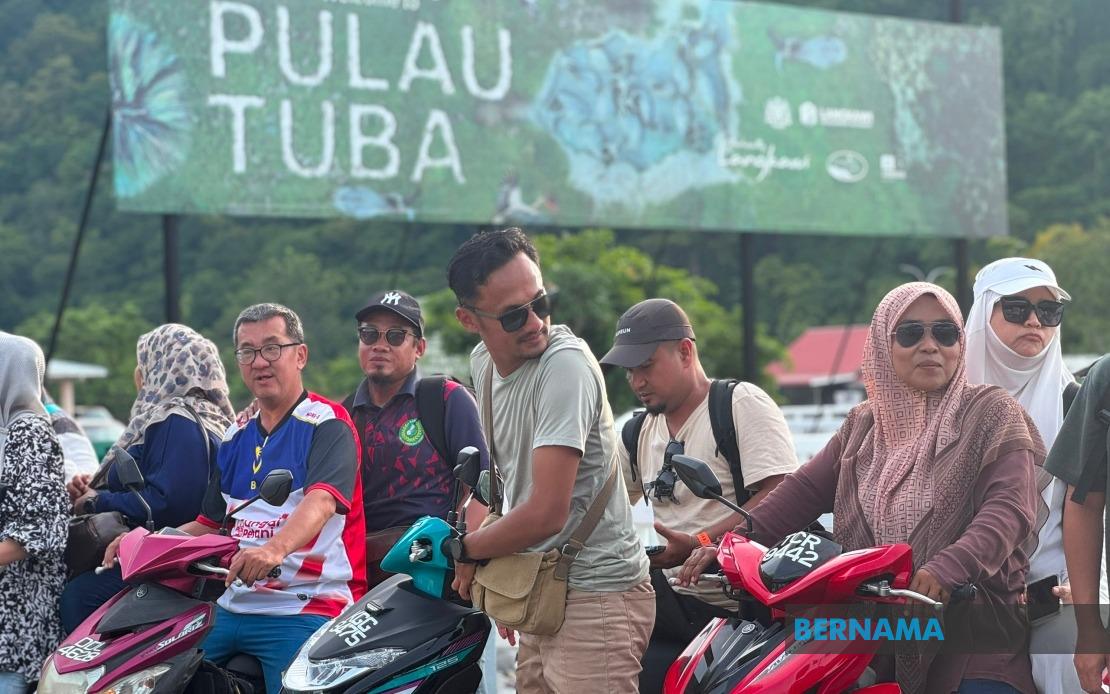
The Kedah state government has signalled its determination to elevate Pulau Tuba into a world-class tourism destination comparable to the more established island of Langkawi. The push comes as officials highlight the smaller island's untapped potential and unique appeal to both domestic and international visitors seeking authentic Malaysian experiences beyond the better-known attractions in the region.
Datuk Mohd Salleh Saidin, chairman of the State Tourism, Culture and Entrepreneurship Committee, outlined the administration's strategic vision during recent remarks to media in Alor Setar. At the heart of the development strategy lies recognition that while Pulau Tuba possesses considerable natural advantages—including pristine landscapes, diverse cultural offerings, and notably affordable, quality local cuisine—the tourism infrastructure and service standards require purposeful enhancement to compete effectively in an increasingly discerning market.
A cornerstone of this improvement programme involves professional development for operators and staff across Pulau Tuba's tourism sector. Kedah Tourism has been tasked with rolling out comprehensive industry management courses throughout the year, targeting entrepreneurs, hospitality workers, and other stakeholders directly engaged in serving visitors. The initiative reflects a broader recognition within Malaysian tourism circles that competitive advantage increasingly depends on workforce capability and customer service excellence, particularly as Southeast Asian destinations proliferate and consumers demand consistent, high-quality experiences.
The timing of Kedah's push aligns with positive momentum generated by recent industry recognition. At the 2026 Tourism Industry Awards, organised by the Malaysian International Tourism Development Association, Kedah secured seven accolades overall, with four specifically honouring Langkawi-based products. This achievement holds particular significance because it marks the first occasion that tourism enterprises from mainland Kedah have garnered such prestigious recognition, expanding beyond the state's established island-centric reputation.
Mohd Salleh explicitly addressed the broader narrative surrounding Kedah tourism, pushing back against what he characterised as deliberate negative propaganda that has circulated regarding Langkawi and the state's tourism credentials. His framing suggests that reputational challenges, rather than fundamental product deficiencies, have constrained growth in some quarters. The awards recognition, in this context, serves as documentary evidence that Kedah's tourism offerings meet international standards and can withstand competition from globally-recognised Southeast Asian destinations.
A significant strategic development emerged through a formal memorandum of understanding signed between JetAsia (M) Sdn Bhd, the Kedah Tourism Development Cooperative (KKPK), and Kedah Tourism focused specifically on education tourism. This collaborative framework opens pathways to attract international student cohorts from secondary schools and universities, positioning Kedah's diverse attractions—encompassing educational institutions, cultural heritage sites, agricultural tourism ventures, and historical landmarks—as components of experiential learning programmes.
The education tourism angle represents sophisticated destination development thinking. Rather than competing solely on leisure tourism metrics, Kedah is cultivating specialist market segments with higher per-visitor spending potential and extended stay durations. International students participating in structured programmes typically require accommodation, meals, transportation, and ancillary services over multiple days, generating sustained economic benefits for local communities and small businesses beyond conventional tourist patterns.
The memorandum involves eleven additional strategic partners alongside the three signatories, indicating substantial ecosystem mobilisation around this initiative. Such collaborative structures, when effectively coordinated, distribute both the operational burdens and financial risks of market development across multiple stakeholders, increasing programme resilience and market reach. For Kedah, this represents a shift from government-led tourism promotion toward public-private partnership models increasingly prevalent across Southeast Asia.
The state government's confidence in near-term expansion is evident in projections that domestic and international tourist interest will intensify substantially within one to two years. This timeframe aligns with typical horizons for infrastructure improvements, marketing campaign maturation, and capacity development initiatives to yield measurable results. However, such optimism must account for macroeconomic variables, regional competition dynamics, and global travel patterns beyond Kedah's direct control.
Pulau Tuba's development trajectory carries implications for Malaysia's broader tourism diversification strategy. As Langkawi continues attracting high volumes of international visitors—sometimes generating congestion and environmental pressures—satellite destinations like Pulau Tuba offer pressure-relief mechanisms. Distributed tourism development spreads economic benefits across wider geographic areas, potentially reducing concentration of visitor impacts while creating employment and entrepreneurial opportunities in smaller communities. This geographic diversification also enhances Malaysia's resilience against destination-specific crises or reputational challenges.
For Southeast Asian visitors particularly, the development of Pulau Tuba alongside Langkawi creates multi-destination itinerary possibilities within a confined geographic zone. Regional tourists seeking maritime and cultural experiences can design extended trips incorporating both islands, increasing overall spend per visitor and days spent in Kedah. This represents practical application of clustering strategies increasingly recognised in destination marketing literature.
The service quality improvement emphasis reflects evolving sophistication in Malaysian tourism policy. Rather than competing primarily on price or raw attractions quantity, Kedah is targeting competitive positioning through experiential quality—ensuring visitors encounter professionally-trained staff, consistent standards, and memorable service interactions. This approach particularly appeals to emerging affluent middle-class cohorts throughout Southeast Asia and East Asia whose travel decisions increasingly pivot on service reliability and authenticity rather than budget considerations alone.
As Kedah pursues this ambitious agenda, success will depend on sustained commitment across implementation timescales, adequate resourcing of training programmes, effective coordination among diverse stakeholders, and realistic market pricing that balances operator profitability with visitor accessibility. The coming two years will prove instructive regarding whether Pulau Tuba can transition from promising potential into established tourist destination commanding recognition alongside Langkawi and other premium Malaysian maritime destinations.

